Tag: Cybersecurity

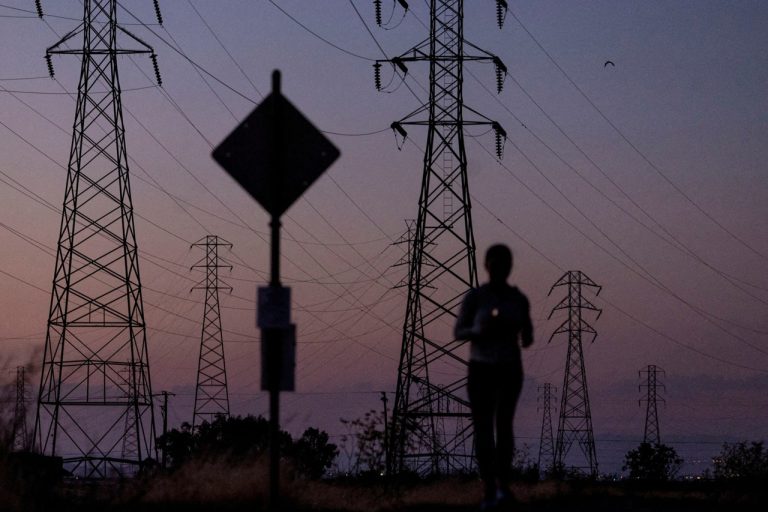
Silhouette of high-voltage power line towers against a twilight sky with a person jogging.

Defending American Infrastructure Against Growing Cyber Vulnerabilities

Chinese and Iranian state-sponsored cyberattacks are increasingly compromising vital US infrastructure, from government agencies to water utilities. With AI accelerating these threats, experts warn that reactionary measures are no longer enough and urge comprehensive structural reforms, private-sector partnerships, and stronger diplomatic deterrence.
Read More »
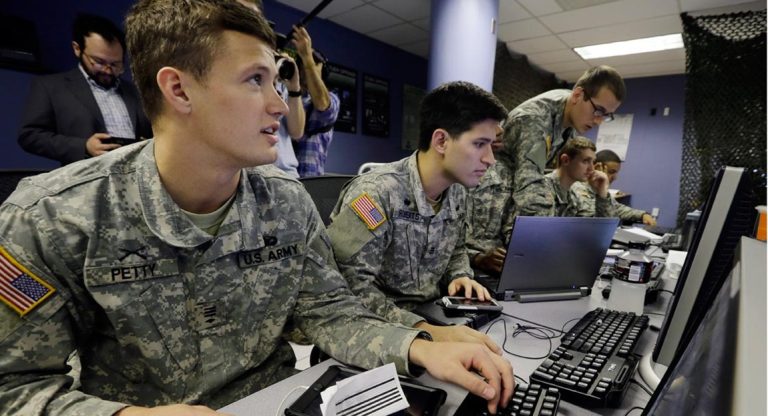
US Army personnel sitting at workstations operating computers in a tech control room.

Pentagon Faces Structural Crisis in Digital Warfare Readiness

Isolated digital victories mask a growing crisis in U.S. defense readiness. Structural isolation, unpredictability in combat integration, and a severe talent drain threaten American military capabilities. To prepare for peer conflicts, the Pentagon must reform legacy command structures and integrate digital warfare seamlessly into standard operations.

Read More »
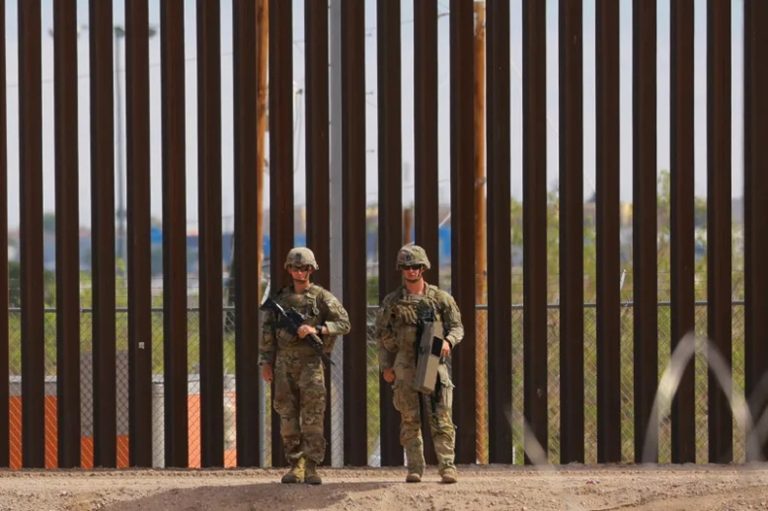
Two military guards in full uniform holding anti-drone equipment in front of a tall border wall fence.

American Security Faces Unprecedented Drone and Missile Threats

Vast oceans no longer guarantee American safety. As foreign adversaries deploy advanced hypersonic missiles, autonomous drone swarms, and AI-driven cyber threats, critical US infrastructure faces unprecedented danger. Depleted missile stockpiles and outdated regulations leave domestic targets vulnerable, demanding an immediate shift in national security planning and defense strategies.

Read More »
Two military tanks driving on a dirt terrain under a cloudy sky.

Autonomous Drone Warfare Faces Command and Control Crisis

Western militaries are investing billions in autonomous drone warfare, but undefined command structures and corporate ethical guardrails pose a major threat. When civilian algorithms block combat strikes, officers lack clear override authority. Without precise operational doctrine, even the most advanced defense technology risks complete paralysis during live engagements.

Read More »
President Donald Trump sitting at a desk with a laptop displaying financial charts in the Oval Office.

Trump Cybersecurity Cuts Raise Election Risks

As the US approaches the November elections, staffing reductions and strained federal cooperation at CISA are leaving critical infrastructure and election systems vulnerable. While the administration works to rebuild technical capacity, foreign cyber threats and fractured communication channels risk eroding public trust in the voting process.

Read More »
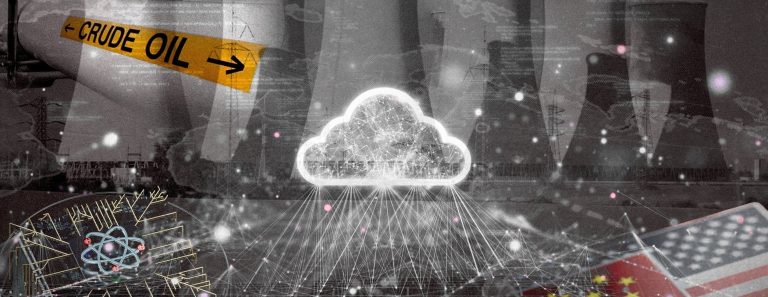
Abstract visualization of cloud computing, oil, and technology.

Gulf States Bet on AI Infrastructure as New Strategic Asset

Gulf states are aggressively investing in AI infrastructure, positioning themselves as leaders in the global digital economy. As computational capacity becomes as strategic as oil, these nations are balancing massive tech investments with the complex security challenges of protecting the critical server farms that now define modern state power.

Read More »
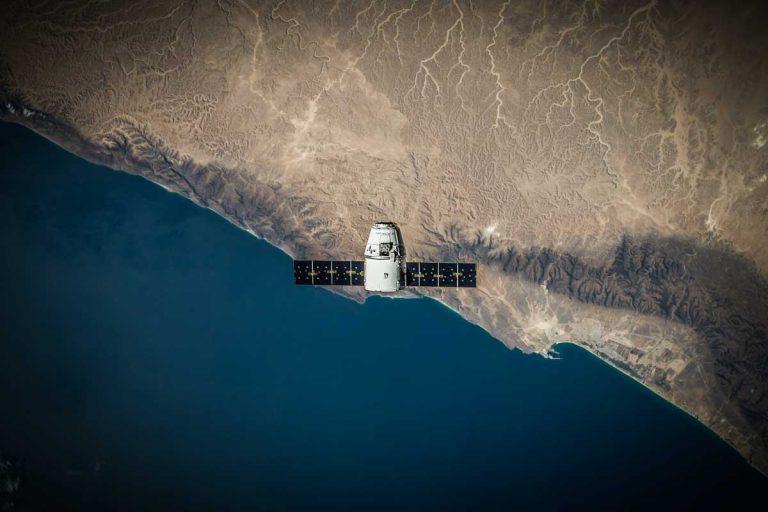
A satellite or spacecraft orbiting high above the Earth's surface.

Updating Rules for Crowded and Contested Orbits

With the global space economy set to soar by 2035, current 1960s-era laws are struggling to keep pace. From traffic management to debris mitigation, experts warn that coordinated international standards are now essential to prevent a congested, contested orbital future.

Read More »
European Union flags flying outside the European Commission building in Brussels.

EU’s Chinese Tech Purge Is Costly, Contradictory, and Politically Driven

This analysis evaluates the European Commission’s 2026 Cybersecurity Act revisions, which aim to exclude high-risk third-country suppliers from critical networks. We explore the tension between Brussels’ pursuit of digital sovereignty and the economic realities of replacing deeply embedded Chinese technology. By questioning the shift toward origin-based blacklisting rather than universal security auditing, we assess the potential for retaliatory trade measures and long-term instability in EU-China relations.

Read More »
A conceptual image featuring two puzzle pieces with the flags of China and the European Union, with two small human figures standing on them facing each other.

EU Cybersecurity Rules Threaten China Trade Ties

Deepening tensions between the EU and China have reached a new flashpoint over proposed revisions to the European Cybersecurity Act. By introducing “non-technical” risk assessments, the EU moves toward potential exclusion of Chinese technology providers from critical infrastructure. This strategic shift faces fierce opposition from Beijing, which warns of severe disruptions to global trade, renewable energy goals, and the erosion of multilateral WTO principles.

Read More »
Digital screen showing an Israeli flag with a red "X" through it and ISNAD branding for cyber warfare.

ISNAD’s Shift From Wartime Propaganda to Long-Term Social Warfare

The ISNAD network has shifted from wartime agitation to long‑term influence operations, using fake Hebrew accounts to erode Israeli social cohesion. Its new “sociological warfare” strategy promotes polarization, distrust, and emigration. With tighter organization and ideological volunteers, ISNAD offers a replicable model of civilian‑style interference that democracies are still struggling to counter.

Read More »