
Beijing Exploits Ukraine Conflict to Secure Strategic Dominance

The prolonged conflict in Ukraine has created a massive strategic opening for China. As Western military stockpiles drain and focus remains tied to Europe, Beijing is expanding its naval fleet, securing economic leverage over Russia, and asserting control in the Indo-Pacific—quietly positioning itself to dominate the future geopolitical landscape.
Ericka Feusier

Ericka Feusier is an American freelance writer focused on the Middle East and U.S. relations with Europe and the Indo-Pacific. Her work centers on policy analysis and international reporting. Views expressed are her own.
The Strategic Flaws and Fiscal Excess of the Proposed ‘Trump Class’ Battleships

Executive plans for a new “Trump class” battleship, led by the USS Defiant, have sparked sharp opposition from defense analysts. With costs projected at $23 billion, critics warn that concentrating firepower into massive surface targets is an outdated, financially wasteful strategy compared to agile, autonomous naval defenses.
The Strategic Cost of Diverting Pacific Forces to the Middle East
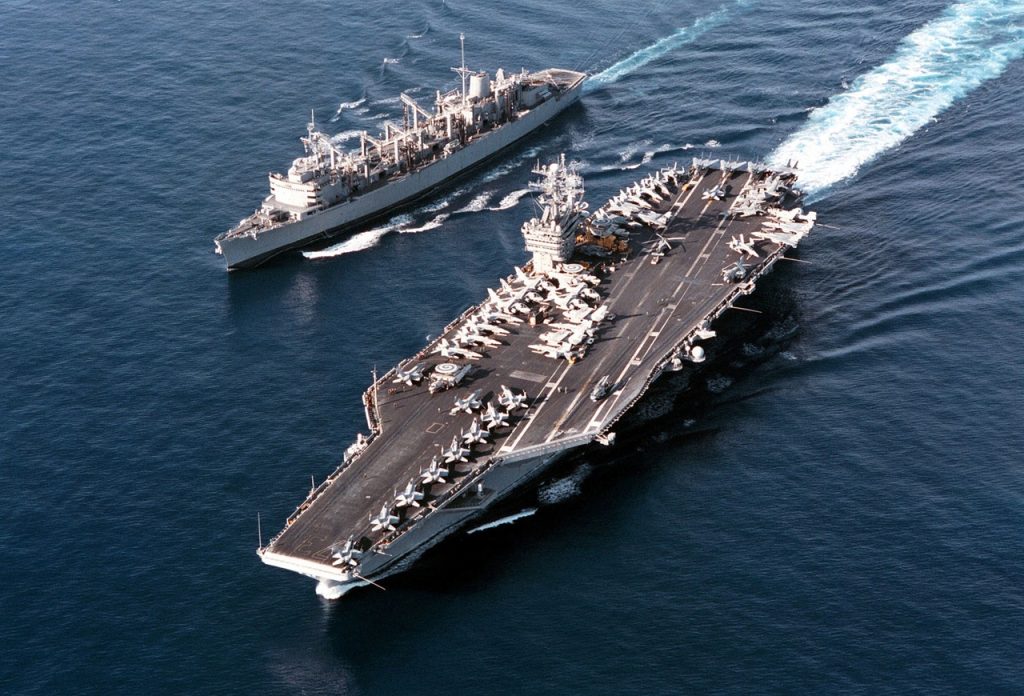
As the US military redirects naval assets and personnel from the Indo-Pacific to the Middle East, strategic vacuums are opening across Asia. Leaving the Pacific without active aircraft carrier strike groups alarms regional allies and signals operational constraints that adversaries like China and North Korea are keen to exploit.
How the ‘NAZA’ Documentary Forces a Reckoning in Israeli Society

The impending release of the controversial documentary “NAZA” by Rachel Szor and Yuval Abraham has sparked intense public debate in Israel. By featuring soldier testimonies that reveal the reality of military operations in Gaza, the film breaks a long-standing consensus of silence and forces society to confront uncomfortable truths.
Evaluating the Israeli Election Landscape and the Rise of Gadi Eisenkot

As 38 parties submit candidate lists for Israel’s upcoming Knesset elections, former military chief Gadi Eisenkot has emerged as Prime Minister Benjamin Netanyahu’s main contender. However, despite sharp personal contrasts and far-right coalition infighting, analysts emphasize that both leaders share identical military and territorial objectives.
Defending American Infrastructure Against Growing Cyber Vulnerabilities
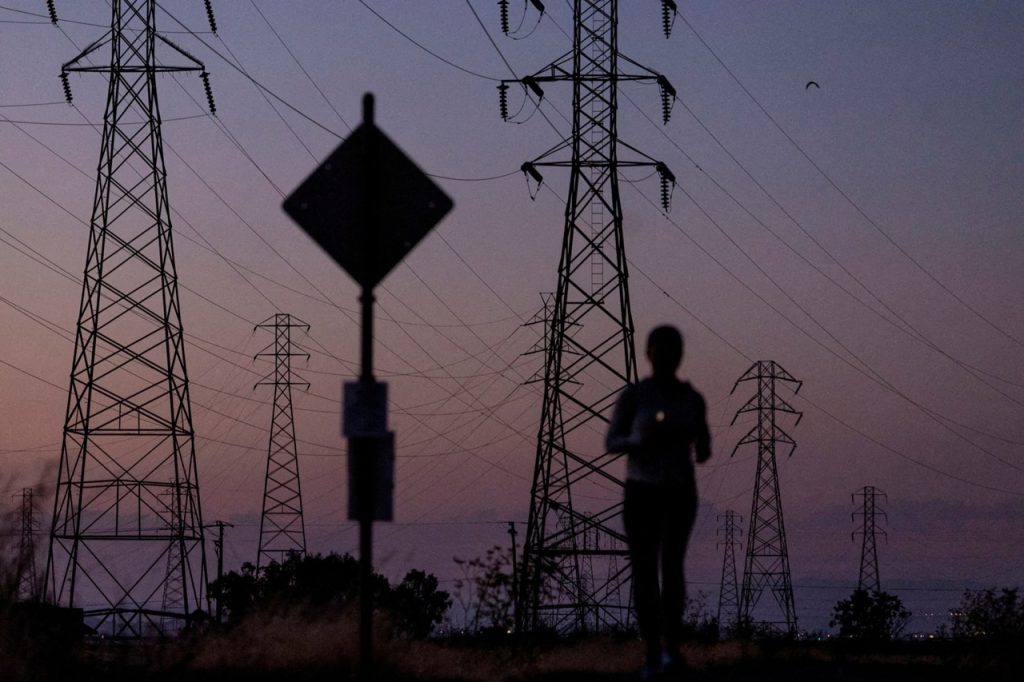
Chinese and Iranian state-sponsored cyberattacks are increasingly compromising vital US infrastructure, from government agencies to water utilities. With AI accelerating these threats, experts warn that reactionary measures are no longer enough and urge comprehensive structural reforms, private-sector partnerships, and stronger diplomatic deterrence.
Analyzing the Rhetoric of Decline and Domestic Policy Realities

Executive leaders blame political opponents and immigrants for national decline, but analysts argue domestic policies are the true cause. Environmental rollbacks, reduced public health funding, and aggressive tariffs are raising costs and widening wealth inequality across the country.