Top diplomats from Turkey, Egypt, Saudi Arabia and Pakistan have held a series of meetings this spring to coordinate responses to an unstable region. The first gathering occurred in Riyadh in mid-March on the sidelines of broader talks condemning Iranian strikes on Gulf targets. Two more sessions followed in Islamabad and Antalya, showing a clear intent to build regular channels for joint action.
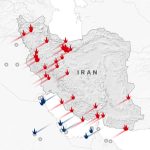
This coordination gained momentum after intense fighting that pitted Iranian forces and proxies against American and Israeli firepower. Saudi leaders, disappointed by earlier US policy swings, moved quickly to secure their position through new partnerships. The kingdom’s strategic pact with Pakistan, signed last September, stands as a cornerstone. It ties Riyadh to the only Muslim nation with nuclear weapons, offering a form of extended deterrence.
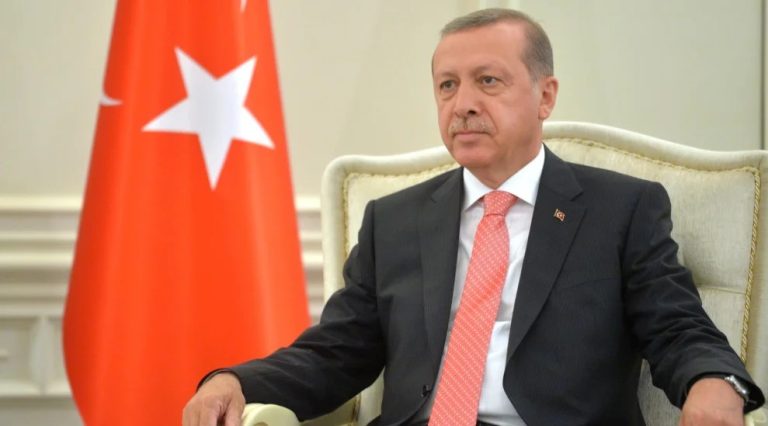
Turkish officials have driven much of the momentum. President Recep Tayyip Erdogan sees value in uniting major Sunni states to amplify their collective voice. Ankara balances this outreach with its long-standing NATO role, but clearly aims to reduce dependence on Western security guarantees. Egyptian authorities, facing severe economic strains, hope Saudi financial backing can help modernize their armed forces and address domestic challenges.
The four countries command enormous resources. Their combined population approaches 500 million, and their active duty forces exceed 1.7 million personnel according to recent military assessments. Discussions have centered on defense industry ties, from co-production of equipment to collaboration on drones and cybersecurity. Unlike formal alliances, the group avoids rigid command structures, instead focusing on practical steps to handle shared threats like border instability or disruptions to energy shipping.
Foreign Minister Hakan Fidan captured the spirit of these talks when he stressed that regional states must solve their own problems before external actors impose their preferences. The participants have also backed Pakistani efforts to mediate between Washington and Tehran, signaling their desire to shape outcomes in ongoing crises.
Past grievances make this alignment remarkable. Saudi Arabia and Turkey clashed bitterly over the 2018 killing of journalist Jamal Khashoggi in Istanbul. Egypt and Turkey have competed for influence since the Arab Spring, with opposing views on political Islam. Saudi-Egyptian proxy involvement in Yemen’s earlier civil war further complicated ties. Yet current pressures from economic needs, security vacuums and doubts about American staying power have pushed these capitals closer together.
For the United States, the emerging network raises questions about its traditional role. Washington has sold tens of billions in weapons to Saudi Arabia and Egypt over the years. Greater Turkish-Saudi defense cooperation could divert some of that business to Ankara’s industries. American strategists may need to deepen bonds with Israel, Greece, Cyprus and Gulf partners outside this group to maintain influence.
Israeli officials express alarm over the possible constraints on their freedom to act against threats. They worry that a nuclear umbrella from Pakistan could encourage more assertive stances from Turkey or Egypt, particularly regarding Syria or border areas. Rhetoric from the four capitals has at times criticized Israeli operations in Lebanon and Gaza.
This quartet remains a work in progress rather than a finished alliance. Divergent interests in Libya, Sudan and the Horn of Africa could still pull them apart. Relations with other powers, including the UAE and Qatar, add further complexity. Even so, the regular consultations represent a significant experiment in regional self-reliance that could influence Middle East diplomacy for years ahead.
Original analysis inspired by Joseph Puder from JNS. Additional research and verification conducted through multiple sources.