Recent fighting that shut the Strait of Hormuz delivered a clear message to Beijing about energy security in the 21st century. While physical threats like missiles and naval mines made headlines, the real disruption came from insurance markets that suddenly made tanker voyages unprofitable. Premiums soared overnight, forcing ships to stay away even though China had received specific assurances from Tehran that its vessels could pass.
This episode matters because China still burns enormous volumes of oil despite its world-leading position in electric vehicles and renewable power. Roughly 11 million barrels of its daily consumption arrive by sea across routes Beijing cannot control. About 80 percent of those imports pass through the Strait of Malacca, a narrow passage whose shortest point measures less than three kilometers across. The recent Gulf events suggest that in any future clash, particularly over Taiwan, adversaries may not need warships to cut supplies. Pricing China out of insurance markets could achieve the same result.
The mechanism is straightforward yet powerful. A London-based group called the Joint War Committee sets risk levels that the global insurance industry largely follows. When it adds an area to its high-risk list, premiums can jump from fractions of a percent to several percent of a vessel’s value. In the recent Hormuz crisis, rates for a typical $250 million tanker rose from around $625,000 to $7.5 million or more per trip. The committee’s decisions often extend beyond actual fighting; it added Djibouti simply because of potential threats from Iranian-backed groups elsewhere. Similar logic could quickly sweep in the Strait of Malacca or even Chinese destination ports if tensions escalate over Taiwan.
Beijing’s Defensive Measures
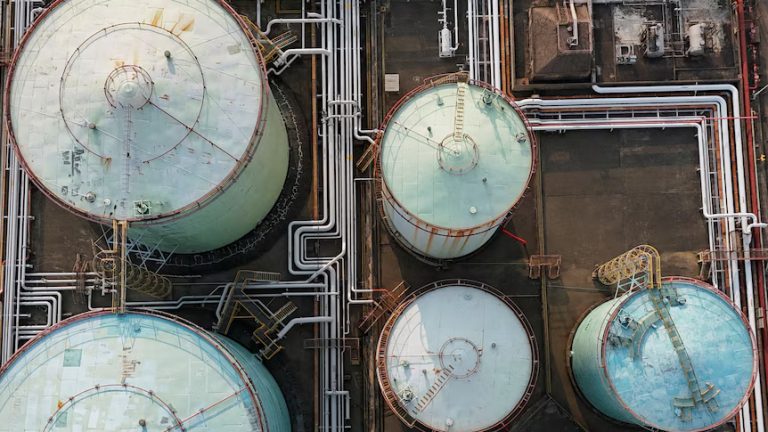
Beijing has worked for years to reduce these risks. It has built strategic oil reserves approaching 1.4 billion barrels, among the largest on earth. Pipelines from Russia, Kazakhstan, and Myanmar now carry about 1.5 million barrels daily, while tankers can detour through alternative Indonesian straits to avoid Malacca entirely. Chinese firms have also expanded domestic maritime insurers and created a Hong Kong war-risk pool to lessen dependence on Western underwriters.
These steps help, but their limits became obvious in recent crises. Pipeline volumes remain small compared with sea imports. The new insurance arrangements still lack capacity to cover many modern tankers fully. China has increasingly relied on a shadow fleet of older vessels to carry discounted crude from Russia, Iran, and Venezuela. This network moved an estimated 2.6 million barrels per day in 2025. Yet Washington has grown adept at targeting not the ships themselves but the inspectors, banks, flag registries, and traders that enable them. When Chinese state oil companies faced secondary sanctions pressure after U.S. actions against Russian firms last year, several paused purchases to protect broader operations.
The Taiwan Contingency and Financial Leverage
A conflict over Taiwan would test these workarounds severely. Insurance pricing can follow a vessel to its final port, not just the waters it crosses. The precedent from Black Sea routes during the Ukraine war shows how quickly major Chinese terminals in Shanghai, Ningbo, or Qingdao could face prohibitive rates. Even rerouting or using shadow vessels might not shield Beijing if banks and insurers fear losing access to dollar-based systems. Littoral states around Malacca, some deepening defense cooperation with Washington, would face their own calculations about facilitating such trade.
The Hormuz experience has clarified that energy chokepoints today involve financial infrastructure as much as geography. China’s green transition has softened some oil demand, particularly for road transport, but factories, heavy industry, shipping, and the military still require reliable petroleum supplies. This persistent vulnerability explains Beijing’s push for overland energy corridors, alternative payment mechanisms outside Western systems, and stronger ties with producers willing to accept different risk terms.
The Shift from Geography to Underwriting
In any major confrontation, the decisive moves may come from underwriting rooms in London and sanction offices in Washington rather than narrow straits. Chinese planners once feared enemy navies stopping tankers in the Malacca Strait. Today they must also calculate how quickly a few committee circulars and sanctions designations could achieve the same strategic effect. The coming years will reveal whether Beijing’s diversification efforts can outpace the sophistication of these financial tools.
Original analysis inspired by Chee Meng Tan from Foreign Policy. Additional research and verification conducted through multiple sources.