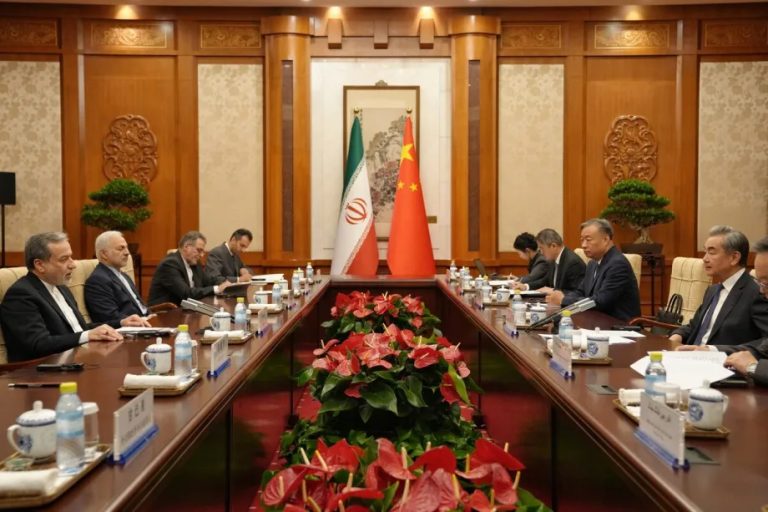
Recent meetings between Iranian Foreign Minister Abbas Araghchi and China’s Wang Yi in Beijing reflect the depth of ties binding the two countries amid rising external strains. Their talks on May 6 came just days after Chinese officials activated a new legal tool designed to insulate domestic companies from American financial penalties. This step goes beyond diplomatic language, offering concrete safeguards for the substantial crude oil flows that have become central to both nations’ strategies.
On May 2, China’s Ministry of Commerce issued its first prohibition order under 2021 regulations created to counter what Beijing calls unjustified foreign legal reach. The directive specifically blocks recognition or compliance inside China with US actions targeting five refineries accused of purchasing Iranian crude. Named facilities include Hengli Petrochemical in Dalian along with four smaller independent operators frequently labeled teapot refiners.
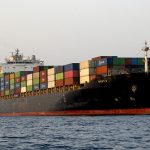
Washington had escalated its campaign in late April, adding these buyers to sanctions lists as part of renewed efforts to cut off revenue streams for Tehran. US officials pointed to large-scale imports often facilitated by vessels in the so-called shadow fleet. For Chinese processors, however, the discounted Iranian barrels deliver both profit margins and supply diversity in a market where traditional sellers sometimes demand higher prices. Iran, in turn, relies heavily on this outlet, with China absorbing the bulk of its seaborne exports despite years of restrictions.
The order draws on China’s blocking measures, which had remained largely unused since adoption. It creates a formal conflict of laws for any party caught between American demands and Chinese requirements. Companies following US rules risk legal action or regulatory trouble within China, while those adhering to Beijing’s stance could lose access to dollar clearing or other Western financial services. This tension raises compliance costs and forces difficult choices on multinational banks, insurers, and traders.
Protecting Vital Energy Flows
China’s independent refiners have grown into major players in global crude markets precisely because they can process lower-cost cargoes from places like Iran and Russia. Preserving their operations supports broader energy security goals by keeping import options open and costs manageable for the domestic economy. At the same time, steady purchases give Tehran breathing room, turning energy trade into an element of strategic resilience for both sides against unilateral pressure.
The move also accelerates experiments with non-dollar payment channels. Increased use of RMB settlements and domestic payment systems helps reduce exposure to US-controlled financial infrastructure. While the dollar remains dominant in global oil markets, these parallel arrangements have gained traction, particularly for politically sensitive trades. They form part of a wider pattern seen across several commodity categories where Beijing seeks greater autonomy.
A Shifting Sanctions Battlefield
International firms now operate in an environment where legal risks come from multiple directions. Many respond by tightening contract language, separating business units, or simply avoiding borderline transactions altogether. The result is a more fragmented commercial landscape in which sanctions lose some of their automatic deterrent effect but create new layers of friction and uncertainty for everyone involved.
This episode arrives at a delicate moment, with a planned summit between Presidents Trump and Xi on the horizon. It demonstrates Beijing’s growing readiness to meet secondary sanctions with structured legal countermeasures rather than quiet workaround tactics. For Washington, it highlights the practical limits of relying solely on financial leverage when confronting a major economic peer with its own regulatory toolkit and massive market pull.
The order’s ultimate impact will hinge on how vigorously Chinese authorities enforce it and whether courts entertain related damage claims. Even limited application carries symbolic weight by normalizing resistance to extraterritorial rules. Over time, such actions could encourage similar defensive legislation elsewhere, further complicating efforts to coordinate international economic pressure.
Energy markets already show signs of this politicization, with oil routes, vessel availability, and payment terms increasingly shaped by diplomatic calculations. What began as a dispute over five specific refineries now illustrates a larger trend: major powers are institutionalizing their responses to economic coercion. The coming months will reveal whether this legal escalation produces meaningful changes in trade volumes or simply raises the cost of doing business across divided financial spheres.
Original analysis inspired by Dr Umud Shokri from Middle East Monitor. Additional research and verification conducted through multiple sources.