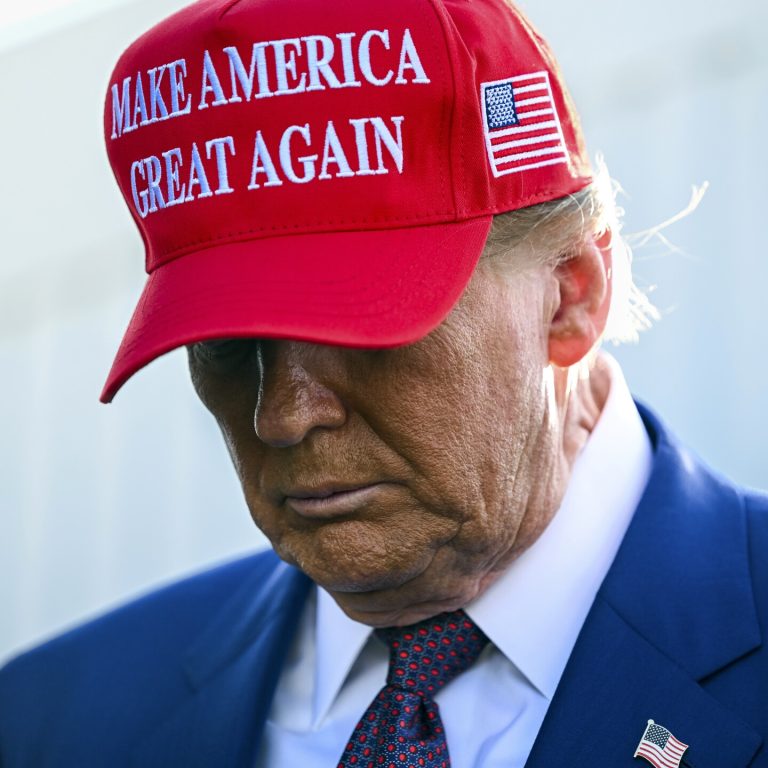
The defeat of Viktor Orban in Hungary’s recent parliamentary elections sent a pointed signal across the Atlantic. Despite high-profile campaigning from JD Vance in Budapest, the longtime leader’s party fell short, with voters citing corruption, economic woes, and fatigue with strained EU ties as decisive factors. This outcome underscores a larger pattern: the Trump administration’s aggressive push to cultivate far-right partners in Europe has largely backfired. Far from building a dependable bloc, these efforts have complicated Washington’s dealings with mainstream governments at a time when cooperation on security matters, especially amid the ongoing conflict with Iran, has grown more urgent.
Vice President Vance laid out the MAGA vision clearly in his early 2025 remarks at the Munich Security Conference. He framed mass migration and perceived threats to free speech as Europe’s central vulnerabilities, positioning the United States as a champion for more nationalist, sovereignty-focused voices on the continent. Tariffs that hit European economies, threats to annex Greenland from Denmark, and open criticism of the European Union and centrist parties reinforced this message. The strategy assumed ideological sympathy would translate into political loyalty and policy gains for Washington.
Reality has proven more stubborn. Even parties often aligned with Trump on cultural questions have kept their distance. Jordan Bardella of France’s National Rally has rejected any appearance of “vassalage,” insisting that French interests come first and that external big brothers are unwelcome. Nigel Farage in Britain labeled threats against Greenland a hostile act, while Alice Weidel of Germany’s AfD warned against American “adventurism” following U.S. actions in Iran and earlier moves in Venezuela. These reactions reveal deep-seated reservations. Many ultranationalist movements carry their own traditions of skepticism toward concentrated American power, sometimes viewing Washington as an outside force in European affairs.
Pragmatism’s Forgotten Value
Transatlantic ties have always involved friction. The 1956 Suez Crisis, disagreements over Vietnam, protests against U.S. missile deployments in the 1980s, and the deep split over the Iraq war all tested the partnership. What allowed it to endure was a shared focus on core interests—containing Soviet power during the Cold War, expanding prosperity, and managing security challenges—without demanding ideological conformity. American presidents routinely worked with leaders from across the European spectrum. Kennedy appeared with both Christian Democrats and Social Democrats in Germany. Later administrations built ties with conservatives like Margaret Thatcher and Angela Merkel as well as social democrats like Olaf Scholz. Domestic politics stayed mostly in the background.
The current approach inverted that logic. By openly championing specific parties and injecting itself into election cycles, the administration has damaged trust with governments it still needs. Recent European surveys show dismal numbers for Trump across the board, with favorable opinions hovering between 10 and 19 percent in major countries. Support is only marginally better among far-right voters in places like France and Germany, and it has declined further since the Iran conflict began. A Carnegie Endowment analysis notes that while ideological networks exist, practical policy clashes—over trade, NATO contributions, and sovereignty—limit their value. Orban’s loss fits a broader picture in which external MAGA endorsement has sometimes become a political liability rather than an asset.
Strategic Consequences
The consequences extend beyond elections. European governments have offered limited backing for U.S. efforts in the Middle East. While Washington remains Europe’s ultimate security guarantor and continues providing intelligence support related to Ukraine, the accumulated grievances—tariffs, territorial rhetoric, and perceived interference—have narrowed room for maneuver. Shared objectives, such as ensuring the Strait of Hormuz remains open for energy flows, receive rhetorical nods but little concrete European commitment to policing or additional military contributions. Distrust runs deep on both sides of the traditional political divide.
The United States now faces an overextended position in the Middle East while its influence in Europe has narrowed. Ideological crusades make for poor alliance management; durable partnerships rest on converging interests, not mirrored domestic agendas. Stepping back from European electioneering and dealing pragmatically with leaders as they emerge would allow Washington to pursue targeted cooperation on security and economic files without the baggage of culture-war exports. Such a shift would require acknowledging missteps, but history shows leaders can adjust course when the costs of doubling down grow too high. The transatlantic relationship has survived worse by returning to basics. It may need to do so again.
Original analysis inspired by Liana Fix and Michael Kimmage from Foreign Affairs. Additional research and verification conducted through multiple sources.