Recent military operations against Iranian targets and affiliated militias have shifted regional power balances in tangible ways. Ceasefire arrangements remain fragile as officials in Washington and Jerusalem pursue talks aimed at preventing renewed violence while tackling underlying sources of tension. These parallel efforts highlight both the promise of the current moment and the practical barriers that could prevent lasting arrangements from taking root.
Battlefield results have clearly set back Tehran’s capabilities, yet the regime shows no sign of collapse. Gulf partners, still recovering from direct attacks, now weigh closer security cooperation with Israel and the United States. At the same time, energy market ripples from disruptions in the Persian Gulf continue to affect global prices and reinforce the need for stable maritime routes.
The Challenge of Lebanese Sovereignty
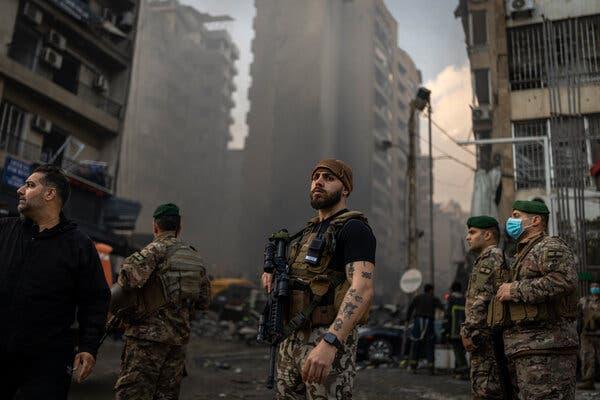
In Lebanon, the weakening of Hezbollah creates space for the state to assert greater control, but entrenched interests complicate the picture. Nabih Berri and other political figures have adjusted positions after Israeli actions targeted affiliated infrastructure, yet full disarmament of the group demands credible guarantees from the Lebanese Armed Forces. Aid flows must bypass militant-linked networks if reconstruction is to strengthen sovereignty rather than revive old patronage systems. Recent analysis from Carnegie experts outlines three scenarios for how Gulf states might respond to these shifts.
Gaza’s Governance Dilemma
Gaza presents even starker governance dilemmas. Despite significant losses, Hamas retains influence over large portions of the territory and population. Plans that tie reconstruction funds to demilitarization, including the destruction of tunnel networks, face resistance from both militants and residents wary of new arrangements. Empowering technocratic leadership or renewed Palestinian Authority involvement will require sustained external backing and local buy-in that has proven elusive in previous rounds. Reports from the Rand Corporation stress that psychological recovery and youth-focused programs must accompany any physical rebuilding.
The Nuclear Question and Arms Flows
The nuclear question looms over all other tracks. Any sanctions relief offered to Iran must deliver permanent, verifiable constraints on enrichment activities rather than temporary pauses that allow future breakout. International monitoring bodies continue to track compliance closely, while Israel pushes for longer-term degradation of Iranian industrial capacity. Past patterns suggest narrow deals often unravel when enforcement weakens.
Germany’s recent approval of arms exports to Israel during the height of fighting with Iran underscores the continued flow of military support despite public debates over humanitarian impacts. Such decisions reflect Berlin’s strategic calculations but also risk complicating European diplomatic initiatives. Meanwhile, American public sentiment and congressional dynamics will shape the scale of sustained engagement.
Building Durable Structures
These interlocking challenges show why military gains alone cannot substitute for patient political work. Addressing what some analysts call “phantom third parties”—the Iranian public, viable Palestinian alternatives to Hamas, and a functional Lebanese state free from militant veto—will determine whether current ceasefires evolve into something more durable. Regional actors, from Saudi Arabia to Egypt, increasingly expect Washington to help build structures that reduce reliance on constant crisis management.
Success will hinge on matching pressure with pragmatic incentives and avoiding the temptation of quick fixes. If diplomats can close the gaps between battlefield realities and political possibilities, the Middle East may move toward arrangements that prioritize state authority over proxy warfare. The coming months will reveal whether the parties possess both the will and the creativity to seize this opening.
Original analysis inspired by Michael Herzog, Robert Satloff and Hanin Ghaddar from The Washington Institute. Additional research and verification conducted through multiple sources.