
Why Lasting Iran Deal Needs Arab Inclusion
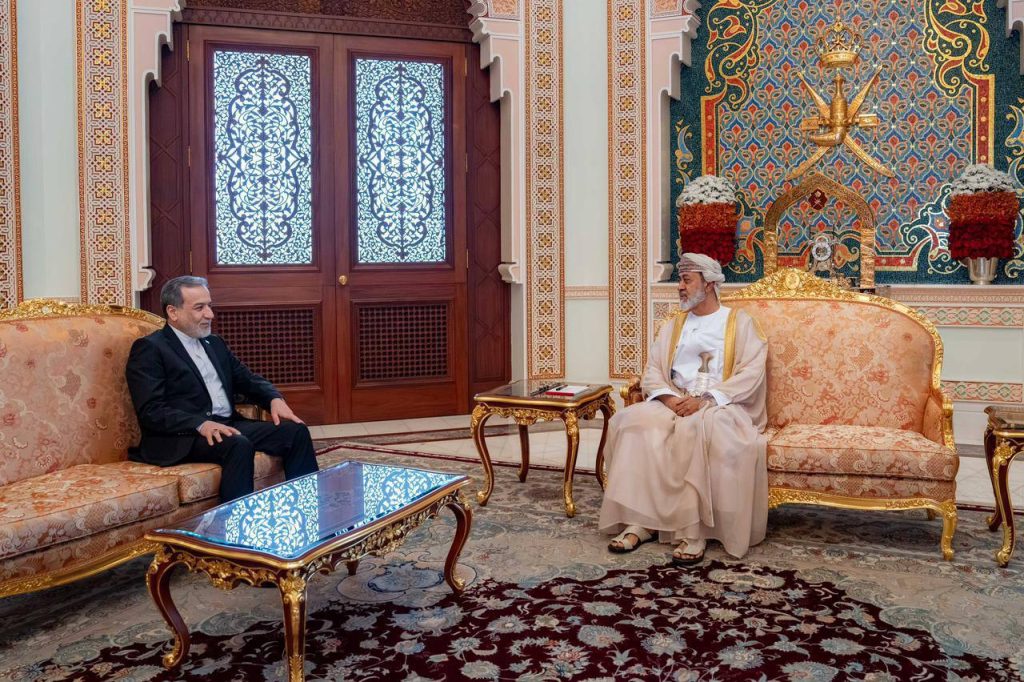
While international mediators have secured a fragile truce between the U.S. and Iran, long-term peace hinges on the formal inclusion of Arab Gulf states. Given their firsthand exposure to regional threats and successful history of mediation, these nations are essential for crafting a multilateral framework that addresses ballistic missiles and maritime security.
US Economy Faces Stagflation Threat From Iran Oil Shock
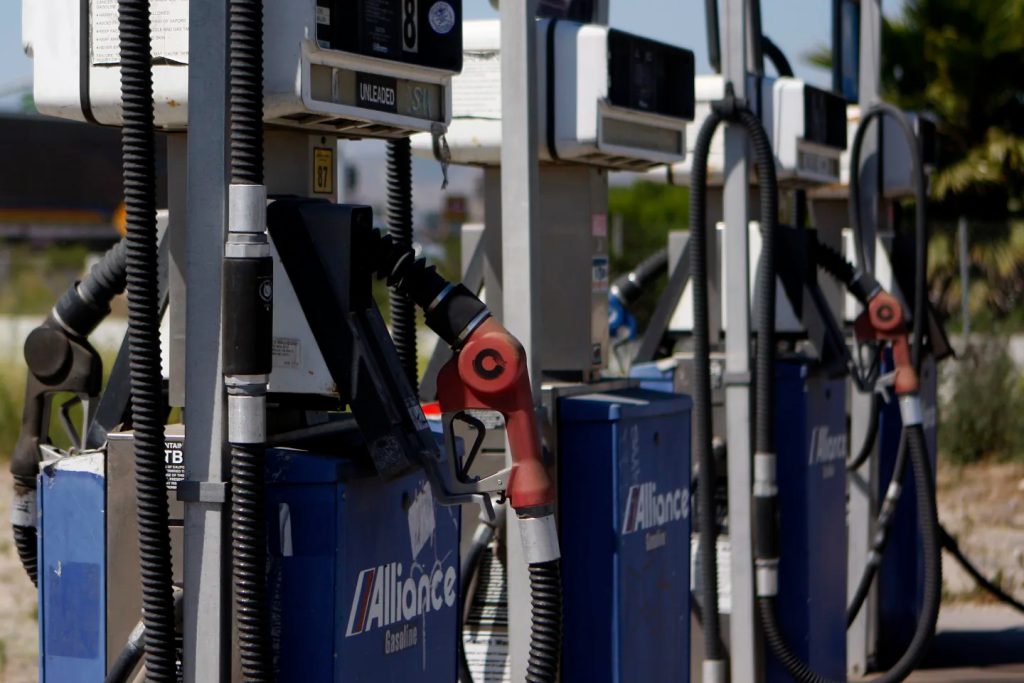
A historic energy supply shock triggered by conflict in the Persian Gulf is threatening the U.S. economy with stagflation. As the Strait of Hormuz closure sends global oil and fertilizer prices soaring, Washington faces rising inflation and consumer anxiety, complicating Federal Reserve policy and shaping the domestic political landscape.
UAE Leaves OPEC: Fractures in Gulf Oil Power
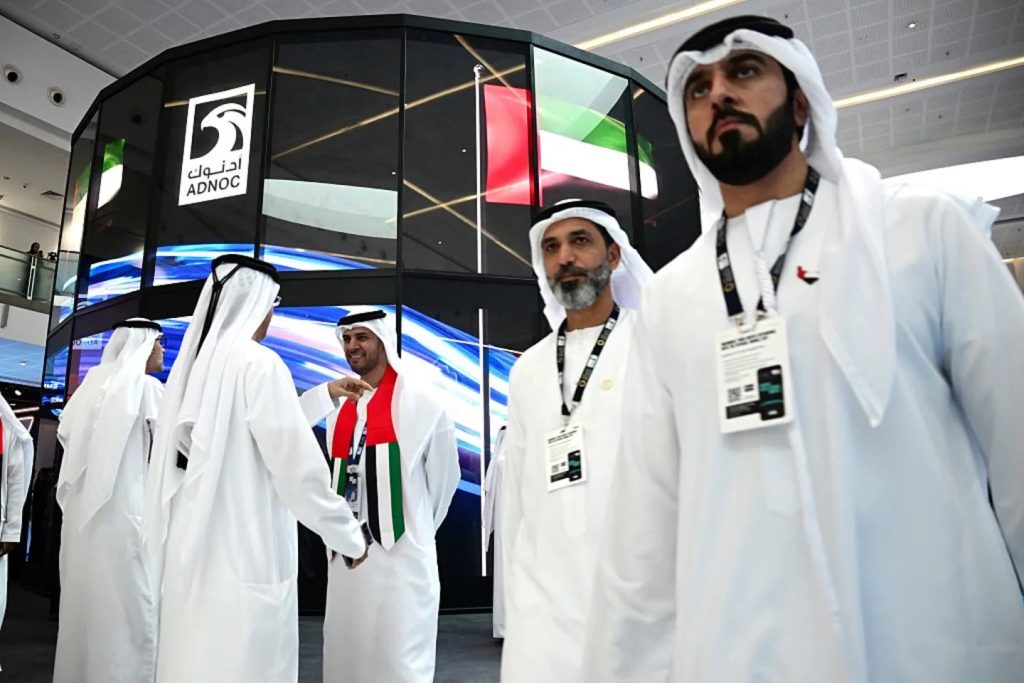
In a historic move, the United Arab Emirates has announced its withdrawal from OPEC. Driven by frustrations over production quotas and escalating bilateral tensions with Saudi Arabia, Abu Dhabi is prioritizing strategic autonomy and ADNOC’s expansion plans, potentially reshaping the future of global oil market coordination.
The Jesus Statue, Christian Lebanon, and the Pattern Behind the Image

A viral photograph of an Israeli soldier desecrating a Jesus statue in the Lebanese village of Debel has sparked international condemnation and internal military discipline. While the IDF characterizes the act as an isolated incident, critics point to a broader, systematic destruction of Christian, Muslim, and ancient cultural sites across Lebanon and Gaza.
Post-Iran War Diplomacy Tests Gaza and Lebanon
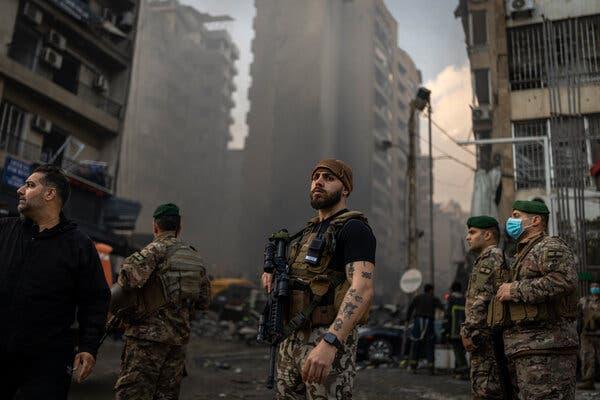
Following military operations against Iranian targets, diplomats are navigating fragile ceasefires in Gaza and Lebanon. Success depends on establishing credible governance, ensuring Lebanese sovereignty, and addressing Iran’s nuclear ambitions while balancing the reconstruction needs of war-torn areas against the necessity of permanent demilitarization and regional security.
Mistrust Deepens in UK-US ‘Special Relationship’
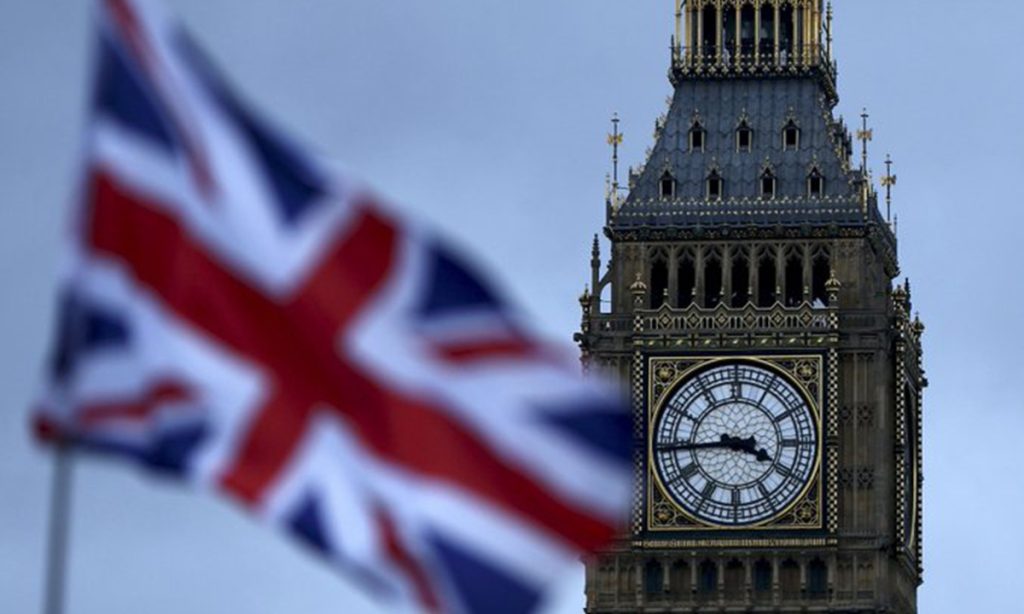
King Charles III’s state visit to the U.S. comes amid deepening mistrust in the transatlantic alliance. Tensions have escalated over the Pentagon’s reported use of the Falkland Islands sovereignty as diplomatic leverage, highlighting a strategic divergence as London navigates economic constraints and a more transactional Washington.
Hormuz Crisis Elevates Russia’s Role in Iran Diplomacy
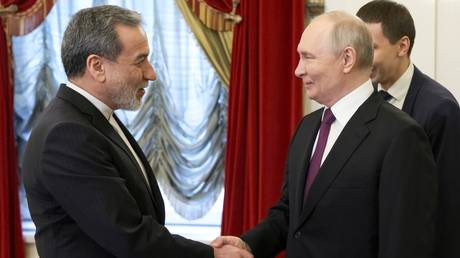
Iran is intensifying its diplomatic outreach to Moscow and regional brokers like Oman to navigate the ongoing Hormuz crisis. By prioritizing maritime security and economic stability over immediate nuclear talks, Tehran aims to leverage global energy concerns and Russia’s mediation to counter U.S. pressure and secure long-term regional guarantees.
Europe’s Public Pressure Forces Israel Reckoning
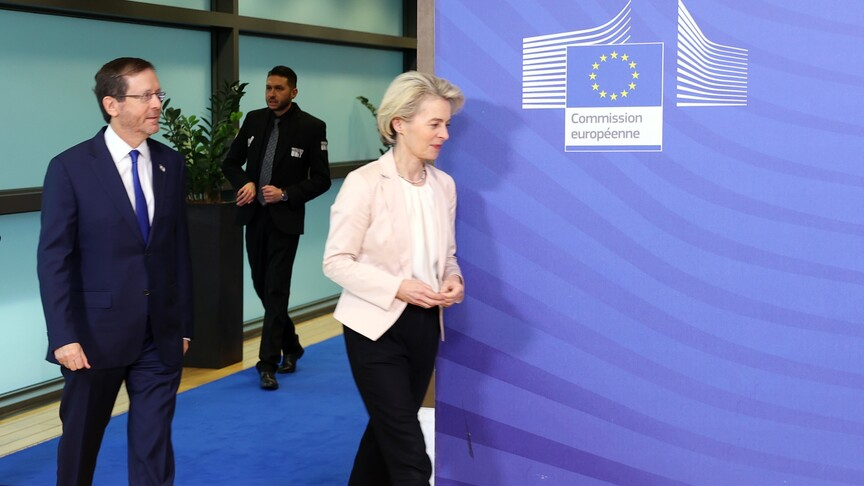
Europe’s political alignment with Israel is facing unprecedented strain as public sentiment shifts toward accountability. Despite institutional resistance from major powers like Germany and Italy, growing grassroots mobilization and formal requests to suspend trade agreements signal a widening gap between European citizens and their governments regarding regional human rights obligations.