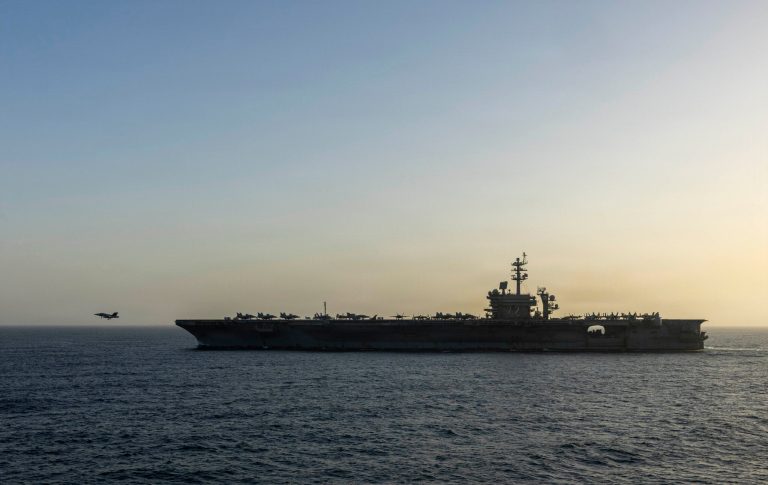
The United States imposed a naval blockade on Iranian ports in mid-April, aiming to increase pressure on Tehran amid stalled talks. Yet the measure has struggled to achieve its intended effect, largely because it arrived after the conflict had already escalated into open warfare. By this stage, Iran had adapted its strategies, hardened its resolve, and found ways to externalize costs through control over vital shipping lanes.
Before the war erupted in late February, Iran showed signs of preferring de-escalation. Diplomatic channels remained active, and officials signaled openness to negotiations on terms they could accept. A blockade at that earlier juncture might have reinforced those incentives, forcing the regime to weigh economic pain against the risks of full confrontation. Instead, the tool was deployed after strikes had already damaged Iranian infrastructure and killed senior figures, shifting Tehran’s focus from avoidance to survival and retaliation.
Adaptations Blunt Coercive Impact
Iran has responded by decentralizing command structures and dispersing decision-making to ensure continuity under pressure. This structural shift has allowed the regime to maintain operational resilience despite significant losses. More importantly, Tehran has elevated its geographic leverage, using threats to the Strait of Hormuz as a central pillar of its strategy. By disrupting one of the world’s most critical energy chokepoints, Iran transforms a bilateral dispute into a global economic concern, raising costs for consumers far beyond the region.
The blockade has also prompted horizontal escalation. Iranian forces have seized vessels and signaled readiness to target shipping, actions that broaden the crisis and complicate efforts to isolate Tehran. These moves demonstrate that coercive measures applied after adaptation has occurred often generate new challenges rather than resolve existing ones. Recent incidents involving cargo ships underscore how Iran can respond asymmetrically, turning defensive pressure into opportunities for wider disruption.
For the United States, this sequence reveals a strategic timing problem. Coercive tools like blockades work best when they exploit vulnerability before an adversary has restructured its defenses or recalibrated its risk calculations. In this case, the window closed quickly once fighting began, leaving Washington with a blunt instrument in a more complex environment. The result is a policy that manages escalation more than it compels fundamental behavioral change.
Global energy markets have already felt the strain. Higher oil prices and supply uncertainties have affected economies from Europe to Asia, highlighting how regional conflicts quickly become international problems. Gulf states, caught in the middle, have accelerated efforts to diversify export routes, but these long-term projects cannot immediately offset current disruptions.
The episode raises broader questions about the sequencing of pressure and diplomacy in high-stakes confrontations. Future strategies may need to prioritize early, calibrated measures that preserve negotiating space rather than waiting until conflict has hardened positions on all sides. For now, the blockade serves as a reminder that tools effective in theory can lose potency when applied too late in a rapidly evolving crisis.
As talks continue in fits and starts, both sides appear locked in a contest of endurance. Breaking the cycle may require creative approaches that address immediate economic concerns while leaving room for deeper political discussions. Without such adjustments, the risk of prolonged stalemate and unintended escalation remains high.
Original analysis inspired by Shukriya Bradost from The National Interest. Additional research and verification conducted through multiple sources.