
US Iran Blockade Highlights Timing Challenges
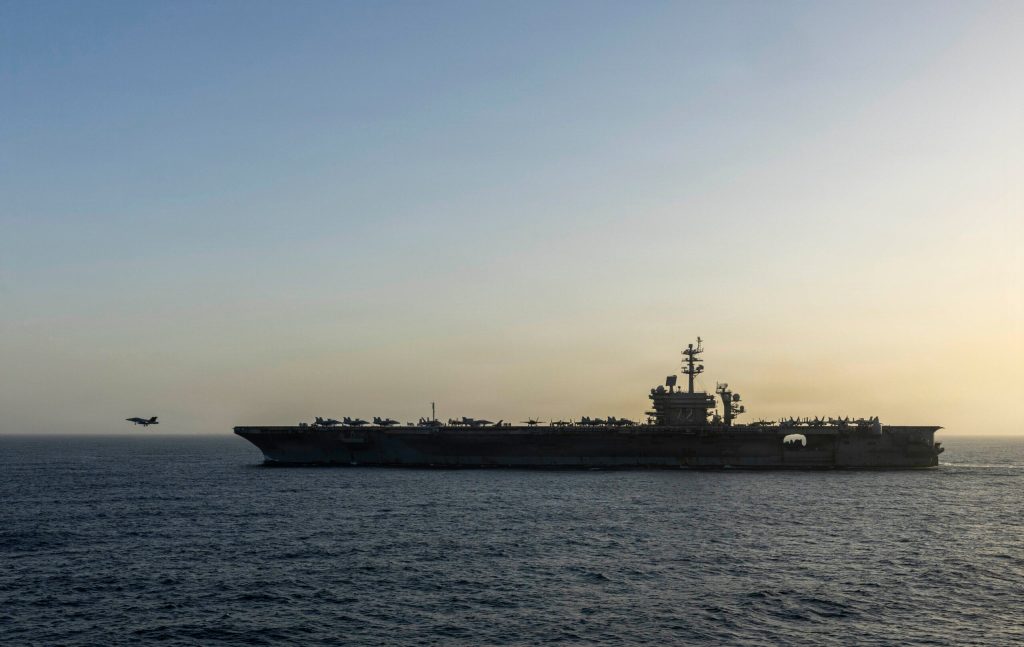
The U.S. naval blockade of Iran, while intended to force concessions, has become a strategic bottleneck. Implemented after open hostilities had already commenced, the measure has inadvertently narrowed the space for diplomacy, prompting Iran to decentralize its operations and use the Strait of Hormuz as a counter-lever. This report examines the high cost of delayed coercive sequencing in a rapidly escalating regional conflict.
Iran’s History of Defiance Challenges US Pressure

The current U.S.-Iran conflict is the latest chapter in a century-long struggle for Iranian sovereignty. By analyzing historical milestones from the 1953 coup to the recent 2026 escalations, this report explores why coercive diplomacy and tactical strikes often backfire. In a region where collective memory shapes modern policy, the pursuit of “domination” continues to underestimate the enduring power of national dignity.
Hormuz Standoff Tests Limits of International Law
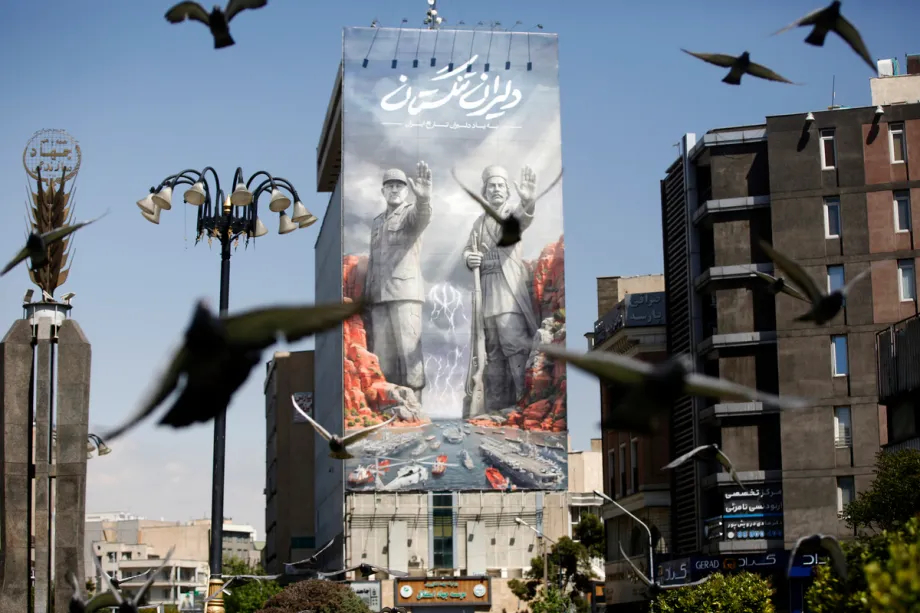
The extension of the US-Iran ceasefire has shifted the battlefield to the legal and maritime domain. In the Strait of Hormuz, competing interpretations of international law—specifically the tension between UNCLOS transit rights and the laws of naval warfare—have created a volatile equilibrium. With 20% of global oil at stake, this managed confrontation tests the limits of international oversight and the resilience of global supply chains.
Cold Peace Offers Realistic Path on North Korea
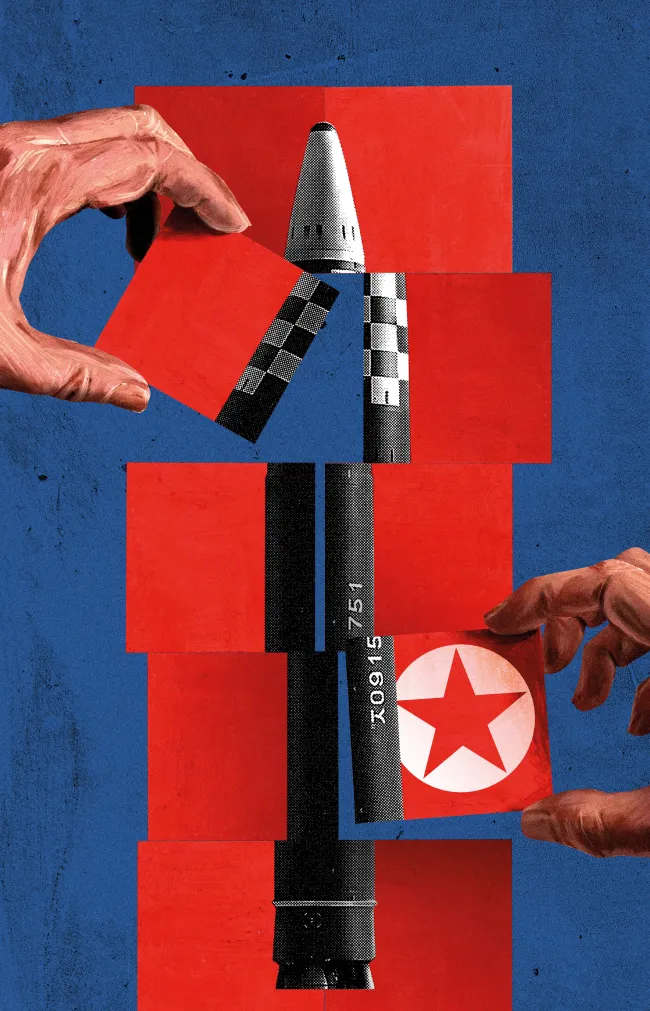
After thirty years of unsuccessful attempts at total denuclearization, North Korea’s nuclear program has evolved into a formidable, permanent threat. As Pyongyang accelerates missile testing and expands its nuclear facilities, the window for traditional diplomacy has closed. A new pragmatic strategy—a “Cold Peace”—focused on immediate risk reduction and crisis management, may now be the only realistic path to ensuring regional stability.