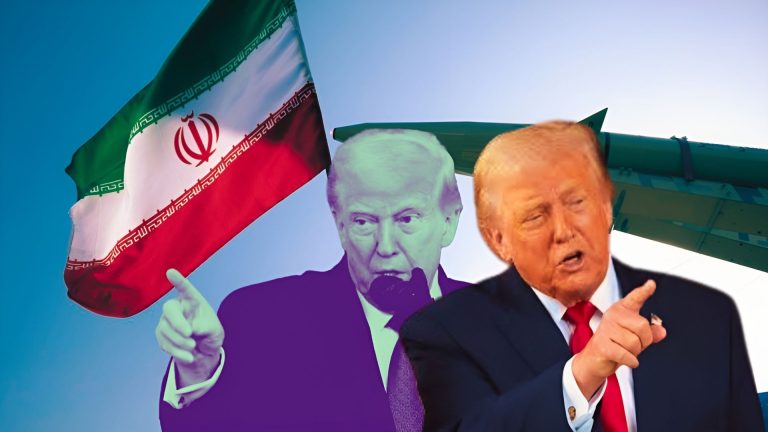
The two-week ceasefire between the United States and Iran, reached on April 7 after weeks of intense fighting, has paused direct hostilities but left deeper questions about American power unresolved. President Donald Trump’s decision to threaten massive escalation over the Strait of Hormuz, followed by a negotiated pause, highlights a sharp departure from decades of U.S. leadership through alliances and institutions. What began as an effort to curb Iranian capabilities has instead exposed the strains on Washington’s ability to shape outcomes unilaterally.
Trump’s approach has moved away from the post-1945 emphasis on coalitions and shared rules. By prioritizing direct pressure and bypassing traditional partners, the administration has distanced itself from the very system that amplified American influence for generations. This shift became stark during the recent conflict, where threats to close vital shipping lanes challenged long-standing commitments to open maritime routes that underpin global commerce.
The Strait of Hormuz carries nearly one-fifth of the world’s oil supply. Disruptions there drove up energy prices and complicated relations with allies dependent on stable flows. While the ceasefire has allowed some traffic to resume, the episode revealed how quickly military posturing can ripple into economic fallout far beyond the immediate theater.
Limits of Unilateral Force
The conflict demonstrated the boundaries of American military superiority in practice. Despite inflicting significant damage on Iranian infrastructure and leadership networks, U.S. and Israeli operations did not achieve broader goals like fully dismantling nuclear-related sites or ending regional proxy activities. Iran mounted resilient responses, and the eventual pause came through mediation involving Pakistan rather than outright victory.
This outcome has strained ties within NATO and with European partners, many of whom expressed reservations about the escalation. The administration’s rhetoric, including warnings of civilizational consequences, further isolated Washington in diplomatic circles. Allies watched as the conflict risked drawing in wider actors without clear pathways to lasting stability.
New Actors Fill the Vacuum
The war has accelerated the emergence of alternative alignments in the Middle East. A grouping of Türkiye, Pakistan, Saudi Arabia, and Egypt has stepped forward as a potential stabilizing force, coordinating on ceasefire efforts and post-conflict arrangements. Their diplomatic engagement, including talks in Islamabad and Riyadh, suggests a willingness to shape regional dynamics without relying on traditional U.S. or Iranian dominance.
This quartet could institutionalize new channels for security and economic cooperation, offering Gulf states and beyond options less tied to great power rivalry. For Saudi Arabia and Egypt, it builds on existing economic diversification plans. Pakistan and Türkiye bring additional leverage through their strategic locations and relationships across Asia.
Meanwhile, China’s role has evolved noticeably. Beijing has used its economic leverage with Tehran to encourage de-escalation while advancing its own diplomatic initiatives. Reports indicate Chinese officials helped nudge Iran toward the ceasefire, even as indirect support for Iranian capabilities continued in some areas. This reflects a broader move from purely economic engagement toward more active political involvement in distant crises.
China Tests New Boundaries
Beijing’s actions during the conflict mark a departure from its traditional restraint on direct military-adjacent matters. By proposing frameworks alongside Pakistan and pressing for reopened shipping lanes, China has positioned itself as a player capable of influencing outcomes in the Gulf. This assertiveness aligns with longer-term goals of securing energy imports while expanding influence in multilateral settings.
The ceasefire now opens space for negotiations in Pakistan, where issues like uranium enrichment limits and sanctions relief remain contentious. Israel continues operations against Hezbollah targets, adding pressure on any final settlement. For the United States, the episode raises questions about sustaining extended engagements amid domestic priorities and competing global demands.
The broader picture points to a world where American decisions still carry weight but increasingly encounter pushback from coordinated regional and global actors. Multipolar dynamics are not new, yet the speed of this transition in the Middle East has caught many observers by surprise. Energy security, nuclear risks, and proxy tensions will likely persist, testing the adaptability of all involved.
As talks proceed, the real test lies in whether fragmented interests can yield workable compromises or if renewed friction becomes the norm. The recent fighting has altered calculations across capitals, from Washington to Beijing, underscoring how quickly established orders can bend under pressure.
Original analysis inspired by Muharrem Eksi from Anadolu Agency. Additional research and verification conducted through multiple sources.