Category: Iran

A composite historical and modern image featuring Saddam Hussein on the left and Ali Khamenei on the right, separated by a digital blue vertical line, with blurred scenes of soldiers and military vehicles in the background.

Beyond Iraq: The High Cost of a Conflict With Iran

The renewed deployment of U.S. naval power to the Gulf has revived a debate that Washington never fully resolved: can the United States coerce Iran militarily without triggering a regional or global crisis. The answer, increasingly, is no. Iran is not Iraq — not geographically, not militarily, not diplomatically, and not economically. Any conflict would be multidimensional, prolonged, and globally destabilizing.

Read More »
A horizontal conceptual digital art piece featuring a hooded figure on the left, a red map of Iran in the center, and a detailed bronze Chinese dragon head on the right, all set against a background of digital binary code and a faded Israeli flag.

Beijing Builds a Digital Great Wall to Shield Iran From Mossad

China is no longer treating Israeli covert operations inside Iran as a distant regional issue. For Beijing, the recent wave of sabotage, assassinations, and radar penetrations has revealed a new model of warfare — one that blends cyber infiltration, internal disruption, and precision strikes. And because Iran sits at the heart of China’s Belt and Road energy corridor, Beijing now sees Iranian vulnerability as Chinese vulnerability.

Read More »
A digital illustration of a man in a suit viewed from behind, standing on a cracked map shaped like Iraq, looking toward a dark, silhouetted skyline with an oil derrick and mosques.

Iraq’s Political Gamble: When Strongmen Return to Fragmented States

In early 2026, Iraq finds itself in a state of “organized confusion” as it attempts to finalize its government following the November 11, 2025 elections. The sudden withdrawal of Mohammed Shia al-Sudani and the push for Nuri al-Maliki’s return have transformed a domestic transition into a high-stakes standoff between Washington and Tehran.

Read More »
A high-angle view of a United States aircraft carrier deck at sea, packed with various fighter jets including F/A-18 Super Hornets, with a mountainous coastline and blue sky in the background.

When Alliance Distances Become Strategic Liabilities: Europe’s Iran Dilemma

Europe is trying to perform an impossible balancing act: signal independence from Washington while relying entirely on American military power to deter threats that Europe cannot handle alone. The Iran crisis exposes this contradiction with unusual clarity. At the very moment when Western unity is strategically essential, Europe is drifting into rhetorical autonomy that it cannot operationalize.

Read More »
A black and white, high-contrast close-up of Donald Trump sitting at a long table during a meeting, looking towards the camera with a stern expression, surrounded by other men in suits who are partially blurred.

The Psychology of Escalation in Foreign Intervention

U.S. decision‑making on Iran is increasingly shaped not by structured interagency analysis but by a feedback loop of emotional validation. When a leader repeatedly asks a narrow circle of loyalists whether an action is a “winner,” the question itself becomes a self‑fulfilling prophecy. The result is a foreign policy environment where impulse, affirmation, and narrative gratification override strategic caution.

Read More »
Two high-ranking political and religious leaders, Recep Tayyip Erdogan and Ali Khamenei, sitting in armchairs and smiling during a formal meeting, with the Iranian flag and a portrait of Ruhollah Khomeini in the background.

Ankara’s Iran Mediation Serves a Broader Ottoman-Era Ambition

Turkey’s mediation between the US and Iran reflects a long-term strategy to expand its regional influence, manage security risks, and assert a neo-Ottoman leadership role, even as credibility gaps and geopolitical rivalries limit how far Ankara’s ambitions can translate into real diplomatic authority.

Read More »
A man with a white beard, wearing a black turban and glasses, speaking into two microphones and pointing his finger.

Why Military Coercion Against Iran Risks a Regional Catastrophe

In early February 2026, the Persian Gulf sits at a knife-edge. The “Oman Talks,” which began on February 6, represent a desperate diplomatic attempt to avert a third Gulf War. While Washington views its “Armada” and the recent capture of Venezuela’s Maduro as leverage to force a total Iranian capitulation, Tehran views the same events as an existential threat that demands unconstrained asymmetric retaliation.

Read More »
An aerial view of a large grey aircraft carrier sailing across a deep blue ocean, with several fighter jets parked on its flight deck.

Scenarios for a US Military Strike on Iran

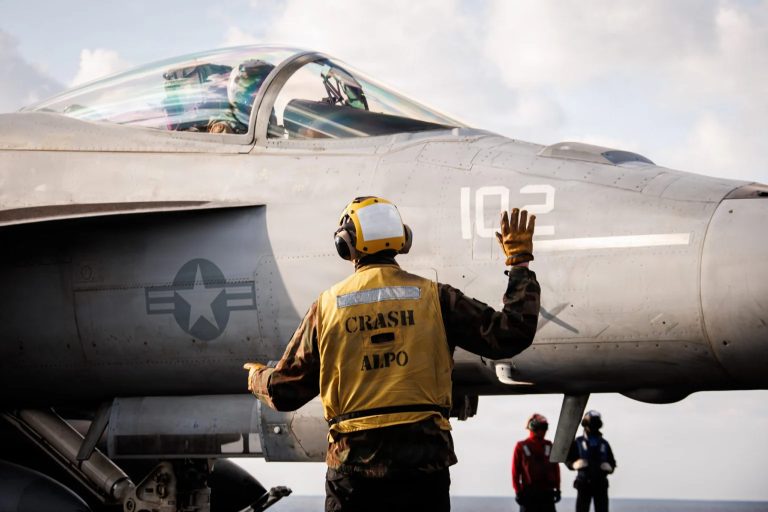
The recent surge in U.S. force posture—centered on the arrival of the USS Abraham Lincoln carrier strike group on January 26, 2026—has brought the “maximum pressure” campaign to a critical kinetic threshold. This buildup is the largest since Operation Midnight Hammer in June 2025, when B-2 stealth bombers struck Iranian nuclear sites at Fordow, Natanz, and Isfahan.

Read More »
A close-up shot of a blue surface with a white atomic symbol, partially covered by a red and white flag.

Why Economic Pressure Against Iran Continues Despite Policy Failures

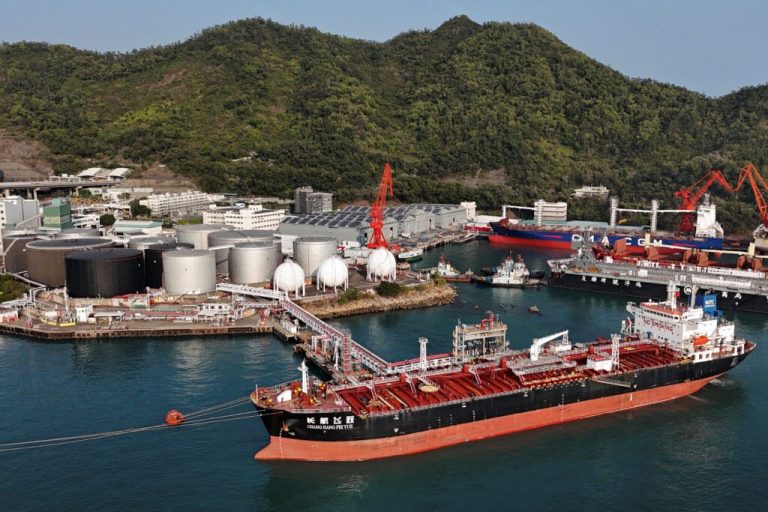
This analysis explores why Iran sanctions persist despite failing to curb nuclear or missile programs. It argues that the focus has shifted from behavioral change to deliberate economic destabilization. By fostering “ghost fleets” for oil exports and causing severe civilian humanitarian crises, these measures may serve regime-change agendas rather than stated diplomatic goals.

Read More »