Category: Iraq

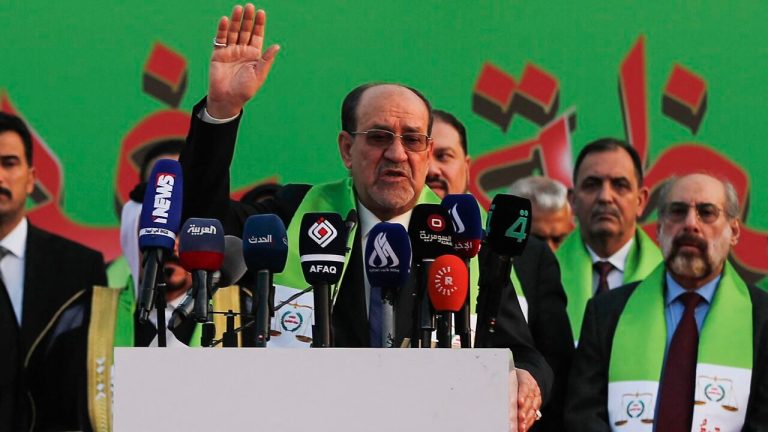
Donald Trump in a navy suit and red tie standing next to a smiling man in a reddish-brown blazer in front of two American flags and a blue curtain background.

Trump Epstein Files: DOJ Documents Contradict Presidential Claims on Flight Logs

In a major shift toward “business-oriented diplomacy,” President Trump has appointed Detroit entrepreneur Mark Savaya as the U.S. Special Envoy to Iraq. A Chaldean-American with deep regional ties but no traditional diplomatic background, Savaya is tasked with stabilizing Iraq’s economy and curbing Iranian influence. His mission—focused on disarming militias and opening Iraqi oil and energy markets—signals a pragmatic, deal-driven era for U.S.-Iraq relations that prioritizes economic sovereignty over conventional foreign policy.

Read More »
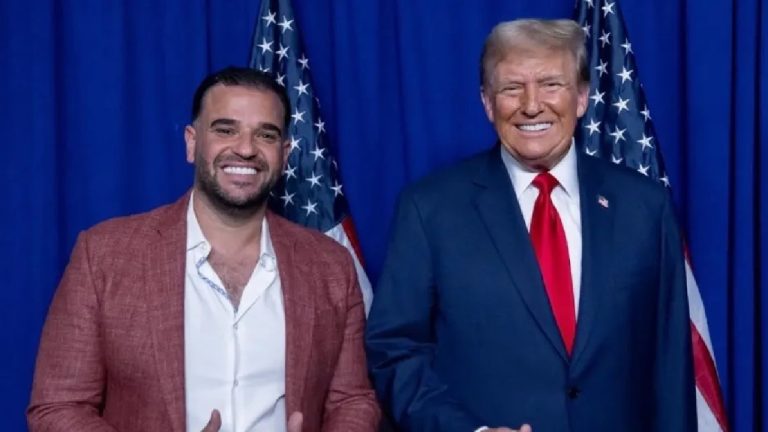
Donald Trump, Mark Savaya, and JD Vance standing together and smiling in front of American flags.

Trump’s Iraq Strategy: Unconventional Envoy Appointment Signals Transactional Diplomacy Shift

In a major shift toward “business-oriented diplomacy,” President Trump has appointed Detroit entrepreneur Mark Savaya as the U.S. Special Envoy to Iraq. A Chaldean-American with deep regional ties but no traditional diplomatic background, Savaya is tasked with stabilizing Iraq’s economy and curbing Iranian influence. His mission—focused on disarming militias and opening Iraqi oil and energy markets—signals a pragmatic, deal-driven era for U.S.-Iraq relations that prioritizes economic sovereignty over conventional foreign policy.

Read More »
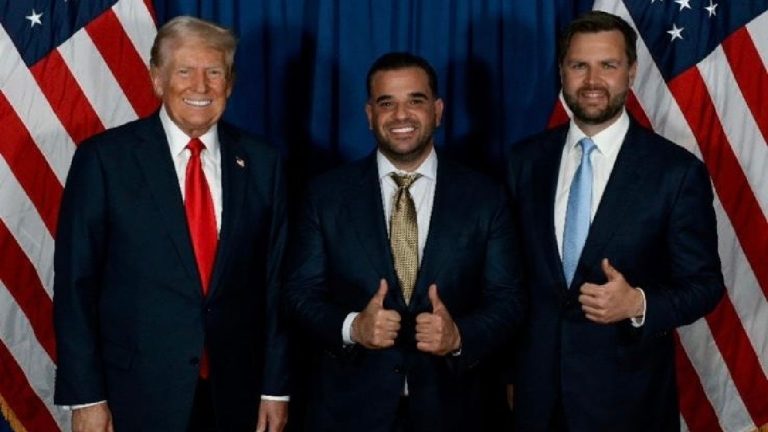
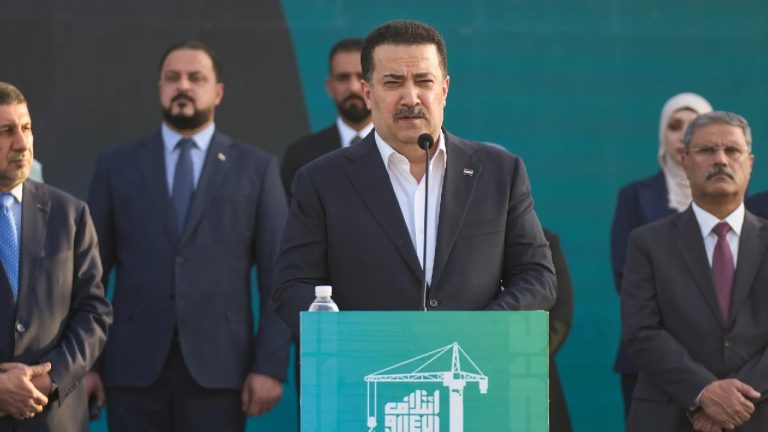
Iraqi Prime Minister Mohammed Shia' al-Sudani speaking at a green podium with a construction crane logo, surrounded by officials.

Iraq Government Formation: US-Iran Competition Over Militia Influence

As Prime Minister Al-Sudani navigates a fractured parliament following the November 2025 elections, Iraq has become the ultimate battleground for US and Iranian influence. With the Trump administration demanding the exclusion of sanctioned militias and Tehran leveraging its strategic assets, the race for the premiership—featuring figures like Nouri al-Maliki and Qasim al-Araji—will determine whether Iraq can maintain its sovereignty or fall deeper into a high-stakes geopolitical confrontation.

Read More »
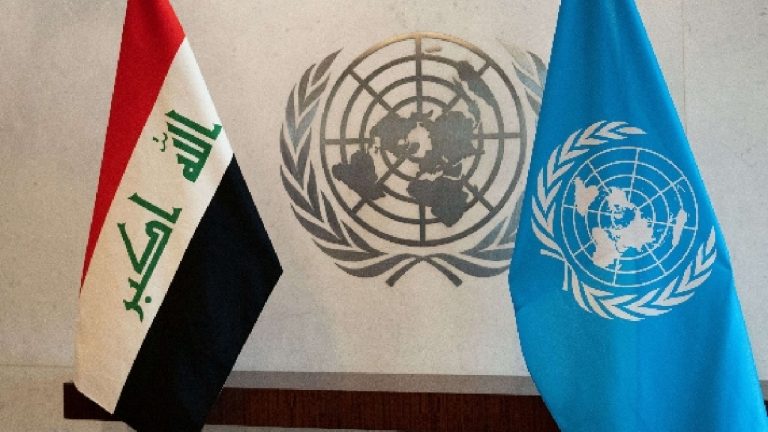
The flag of Iraq and the United Nations flag standing side-by-side in front of a wall with a large, faded UN emblem.

Regional Mediation and Civilizational Cooperation: Revising Huntington’s Framework

The conclusion of the UN Assistance Mission for Iraq’s 22-year mandate signifies a critical moment in Middle Eastern political dynamics. It encourages a reevaluation of how regional actors might resolve ongoing conflicts through mediation and cooperation instead of confrontation, highlighting the potential for regional diplomatic leadership to offer new conflict resolution frameworks beyond conventional great power intervention.

Read More »
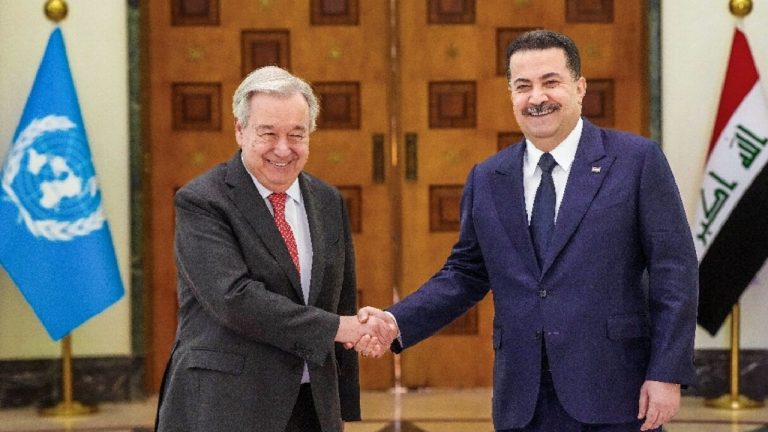
United Nations Secretary-General António Guterres shaking hands with Iraqi Prime Minister Mohammed Shia' al-Sudani in front of UN and Iraqi flags

Regional Powers Position Mediation Capacity as Alternative to Civilizational Conflict Paradigm

UN Secretary-General António Guterres’s visits to Saudi Arabia, Oman, and Iraq mark a potential shift from external crisis management to regional diplomatic leadership, particularly highlighted by the formal closure of UNAMI after 22 years. This development challenges Samuel Huntington’s “clash of civilizations” framework by illustrating how culturally connected states can effectively mediate conflicts that hinder international institutions.

Read More »
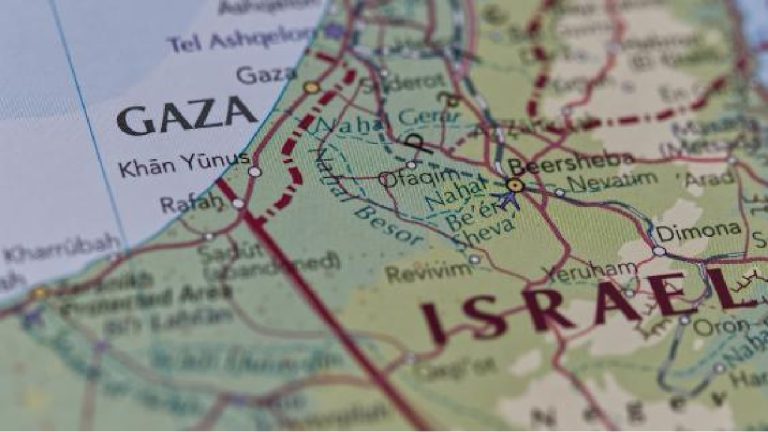
Close-up of a map showing the region of Gaza, Israel, and surrounding towns like Rafah and Khan Yunus

Iraq 2.0: The Legal Architecture of the New American Occupation in Gaza

The adoption of UN Security Council Resolution 2803 in late 2025 signifies a significant change in governance for the Gaza Strip, shifting from Israeli military control to an American-led administration. The resolution, while citing “stabilization” and “transitional administration,” reflects strategies analogous to those used during the 2003 Iraq invasion. By forming a “Board of Peace” and a Civil-Military Coordination Center (CMCC), the U.S. positions itself as the new de facto occupying power, leveraging international mandates to obscure violations of Palestinian sovereignty.

Read More »