Category: syria

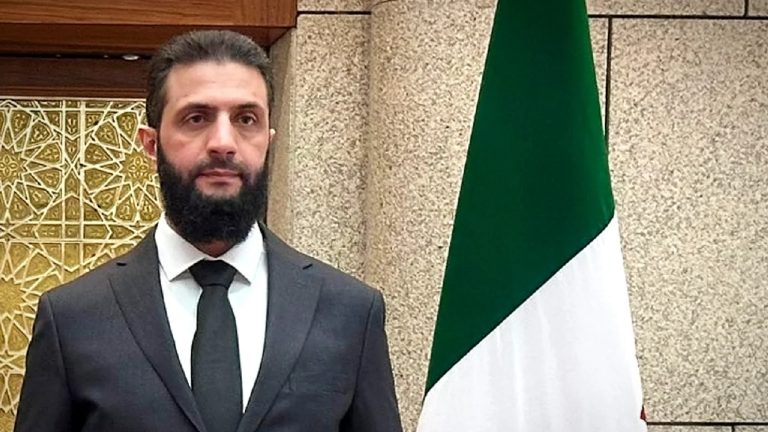
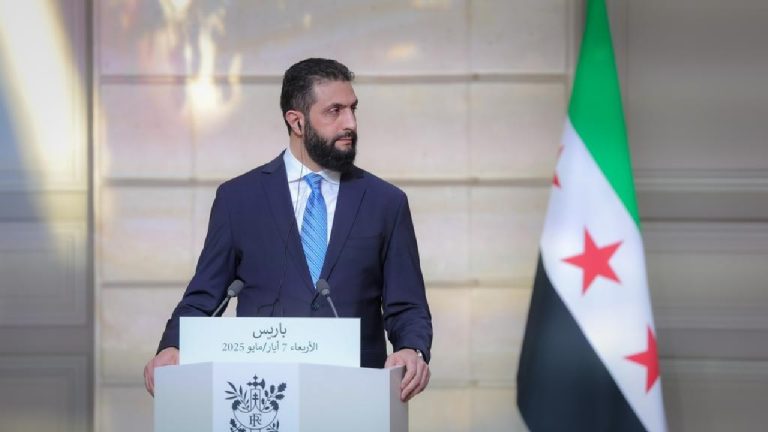
A medium shot of a man with a dark beard, wearing a grey suit and black tie, standing in front of a flag and a patterned wall.

Syria’s Islamist Leadership Threatens Counter-Terrorism Goals and Regional Stability

The elevation of Ahmed al-Sharaa (formerly known by the nom de guerre Abu Mohammad al-Julani) to the presidency of Syria has fundamentally reshaped the geopolitical landscape. The transition from the Assad regime to the current transitional government has indeed forced a rapid recalibration of U.S. and international policy, balancing the removal of a long-standing adversary against the risks posed by a leader with former Al-Qaeda ties.

Read More »
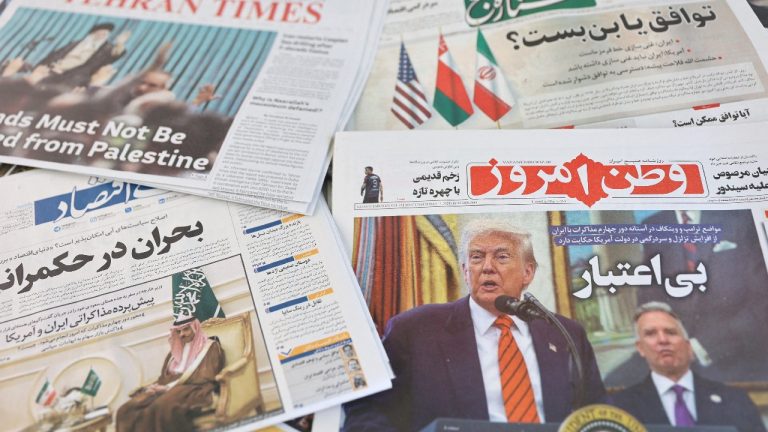
A collection of various Iranian newspapers spread out on a wooden table, featuring headlines in Persian and a prominent photograph of Donald Trump on one of the front pages.

Iran’s Battle for Survival is the Arab World’s Fight Too

In early 2026, the Middle East has entered what analysts describe as a state of “Exhausted Realignment.” Following the kinetic “12-Day War” between Israel and Iran in June 2025 and the fall of the Assad regime in Syria in December 2024, the region is now caught between a “Maximum Pressure 2.0” campaign from Washington and a desperate diplomatic “hedging” strategy by the Gulf states.

Read More »
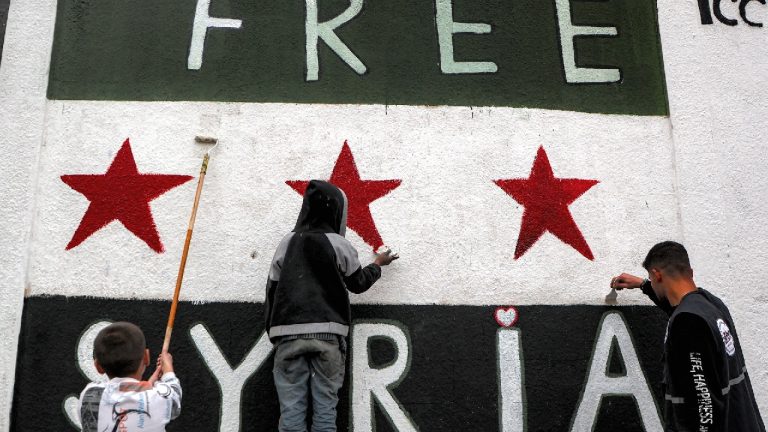
Three people, including two children, painting the "Free Syria" flag on a large white wall.

Syria’s Transitional Government: International Recognition Amid Domestic Fragility

Ahmed al-Sharaa’s administration in Syria marked its first anniversary by achieving diplomatic milestones and facing internal strife post-Bashar al-Assad’s fall. Key successes include gaining Western backing, with the U.S. and U.K. removing Sharaa from terrorist lists, and normalizing relations through significant meetings, notably with President Trump. These diplomatic efforts led to sanctions relief under the Caesar Act and Syria’s return to SWIFT, fostering prospects for economic recovery amid challenges in asserting control over the diverse sectarian landscape.

Read More »
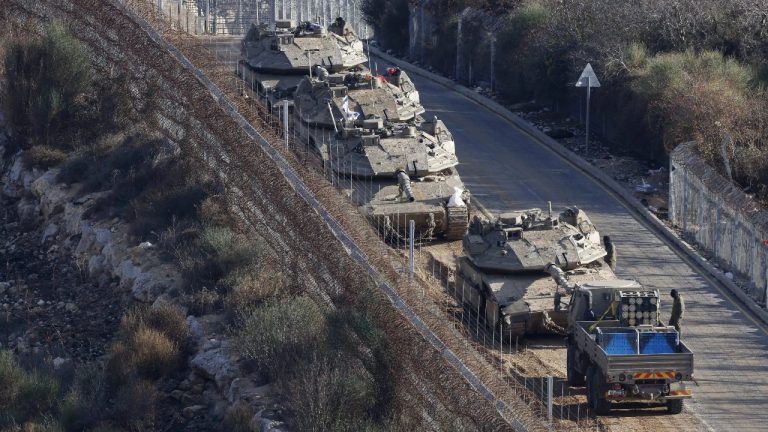
A line of Israeli Merkava tanks and a supply truck moving along a paved road next to a barbed-wire border fence

Israeli Military Expansion in Syria Risks Strategic Overextension Despite Initial Advantages

Twelve months after Bashar al-Assad’s fall, Israeli forces have carried out over 600 military operations in Syria, averaging nearly two daily. This extensive campaign, alongside the occupation of territories beyond the 1974 disengagement lines, illustrates a classic pattern of overreach, where tactical dominance leads to strategic vulnerability due to commitments across multiple fronts without clear objectives.

Read More »
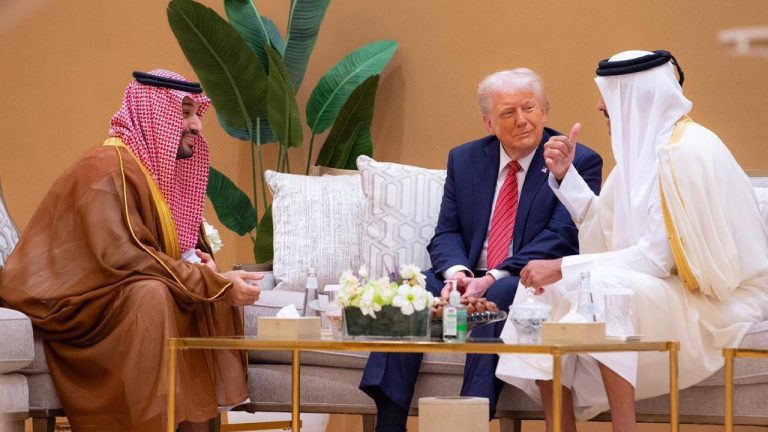
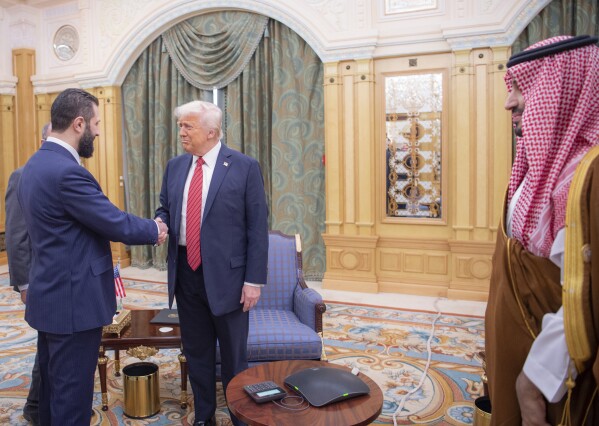
Donald Trump sitting at his desk in the Oval Office, speaking to a delegation of officials seated across from him

Damascus Gains International Legitimacy Through White House Visit Yet Internal Challenges Persist

Ahmed al-Sharaa’s meeting with President Trump on November 10 marked a significant diplomatic achievement for Syria, resulting in the removal of UN Security Council sanctions and a suspension of the Caesar Act for six months. However, consolidating this international recognition domestically is challenging due to Kurdish forces’ resistance to integration, demands for autonomy from Druze leaders, and Israeli military expansion in southern Syria.

Read More »
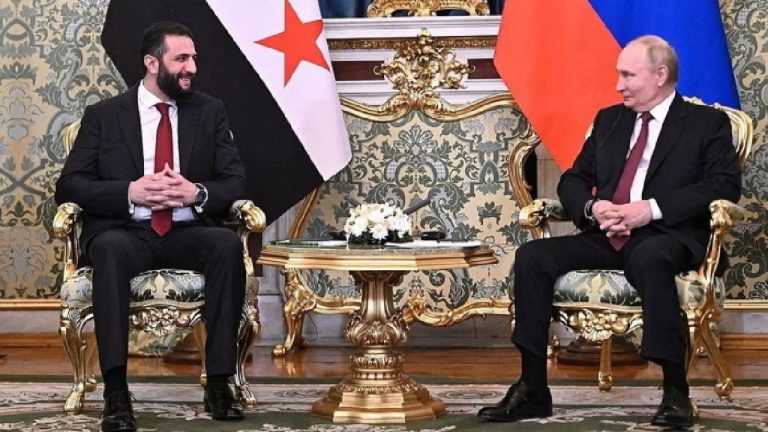
Vladimir Putin seated across a table from a Syrian official, in a formal meeting setting with flags in the background

Moscow’s Survival Strategy: Navigating the Post-Assad Order in Syria

The October 2025 summit in Moscow between Vladimir Putin and Ahmed al-Sharaa highlights a shift in Russia’s diplomatic strategy following the collapse of the Ba’athist regime in Syria. Contrary to predictions of diminished Russian influence, the Kremlin has adapted its approach, favoring transactional pragmatism over ideological loyalty. By engaging with former adversaries, Russia seeks to preserve its strategic interests in the Mediterranean, underscoring that its foreign policy is primarily motivated by practical concerns.

Read More »