
Vance’s Blind Spot: Why Israel Is America’s Most Strategic Ally
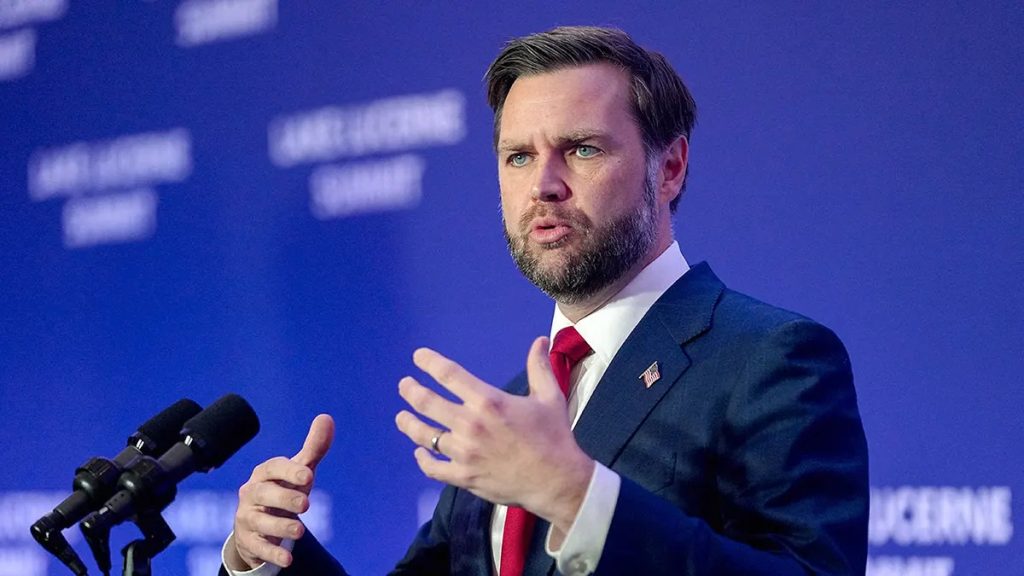
The recent public criticisms leveled by Vice President JD Vance against Israeli leadership reveal a fundamental misunderstanding of the U.S.-Israel security partnership. By framing the relationship through a lens of client-state dependence, the administration risks undermining the operational integration that secures American interests across the Middle East. This article argues that treating strategic allies as political liabilities rather than critical assets—particularly while pursuing engagement with regional adversaries—signals a dangerous erosion of credibility that may compel partners to seek greater security diversification.
How America Turned the Mafia Into a Global Brand
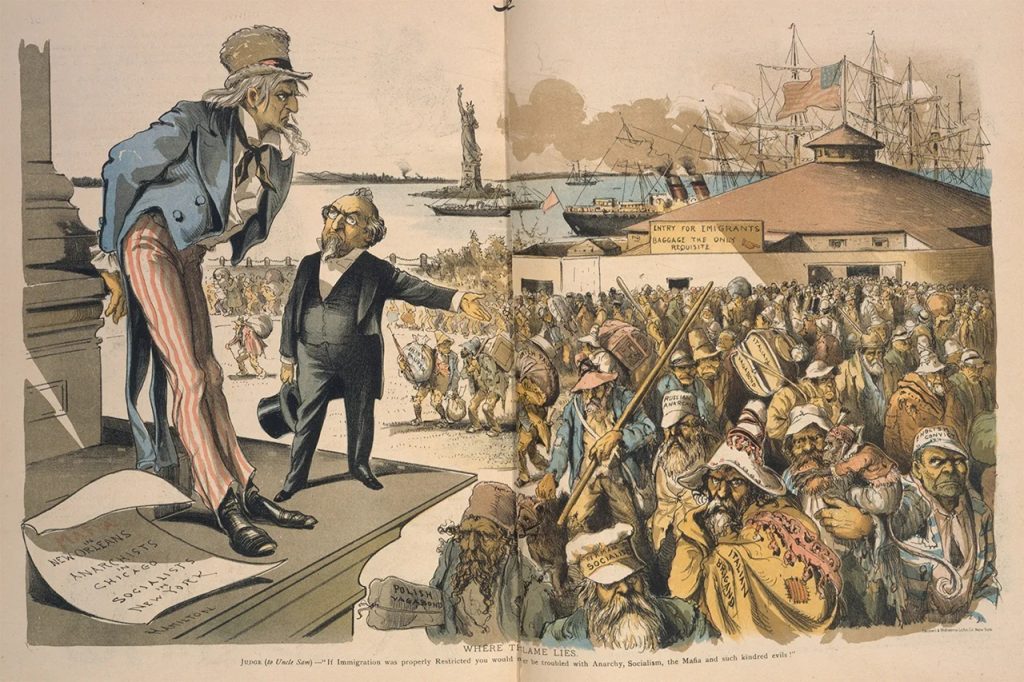
While the United States has spent a century attempting to eradicate organized crime, it inadvertently helped construct its global framework. By standardizing criminal structures during Prohibition and exporting American enforcement models, the U.S. also cemented the “Mafia” mythology through popular culture. This article examines how the American experience transformed fragmented local traditions into a cohesive, globally recognized brand that criminal organizations worldwide continue to adopt today.
America Is Losing the Drone and AI Race It Started
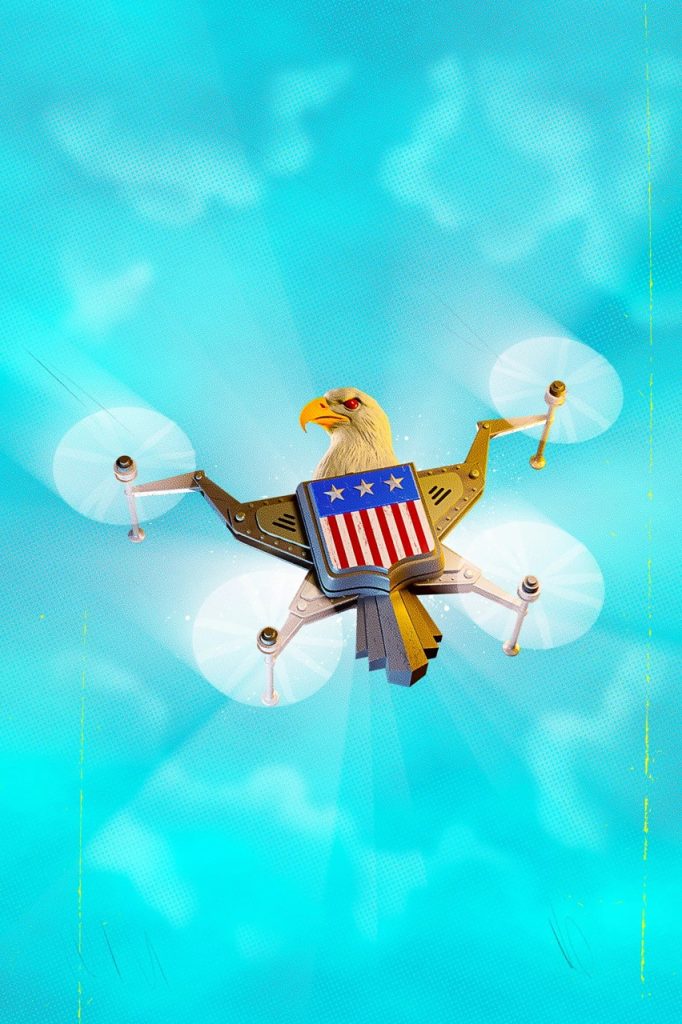
The recent conflict with Iran has exposed a critical reality: American military dominance, once predicated on proprietary technology and unmatched scale, is being undermined by a new era of AI and low-cost, mass-produced drones. While Washington remains focused on legacy structures, competitors are closing the technological gap through adversarial distillation and domestic innovation. This article explores how the Pentagon’s failure to adapt its procurement and institutional culture threatens to turn current technological advantages into strategic liabilities, necessitating a fundamental rethinking of how the U.S. prepares for the next generation of warfare.