
Washington Is Building the Yuan’s Latin American Empire With Its Own Hands

This analysis examines how U.S. foreign policy—specifically the increased use of sanctions and unpredictable tariff threats—is incentivizing Latin American nations to diversify their reserves. By systematically transforming the dollar into a politically conditional instrument, Washington has created a vacuum that China is strategically filling with its own financial infrastructure, significantly altering the geopolitical landscape of the region.
Trump’s Civilizational Rhetoric Is Fracturing the Very West It Claims to Defend
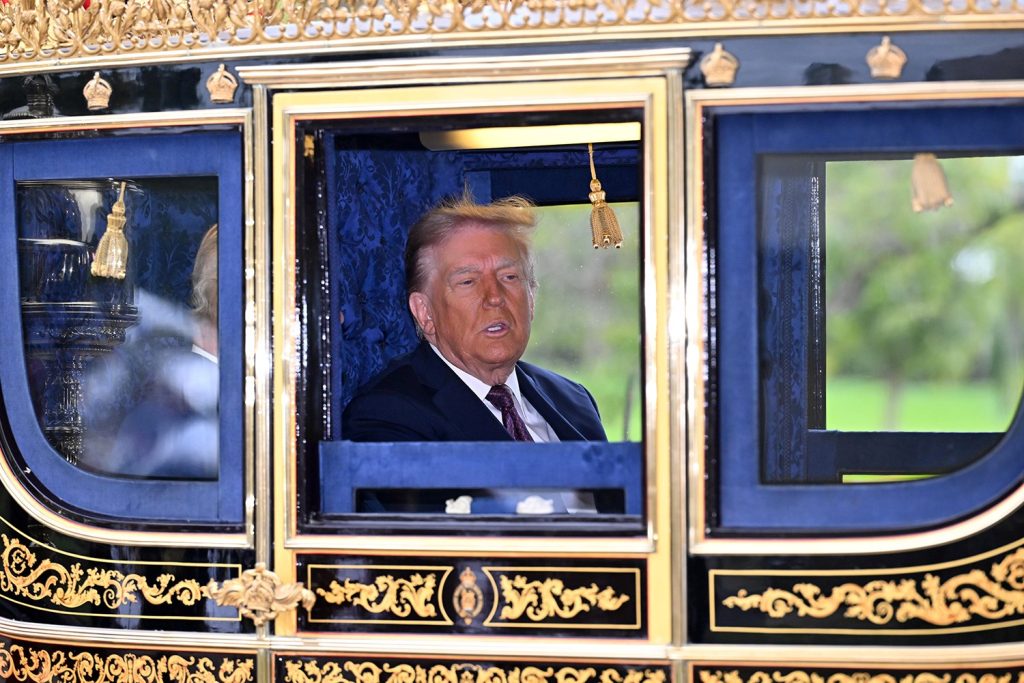
This article examines the rise of “civilizationalism” as a guiding doctrine in American foreign policy and the resulting strain on the traditional Western alliance. By analyzing the historical parallels to late-stage imperial Rome and the fracturing of multilateral commitments, we discuss how the shift toward identity-based rhetoric—rather than civic or interest-based diplomacy—is accelerating a global transition toward an “American-minus-one” international system, where key partners increasingly seek stability and trade arrangements outside of Washington’s influence.
Nuclear Deterrence Is Failing — and the World Has Not Yet Noticed

This article evaluates the weakening credibility of traditional nuclear deterrence in the face of modern hybrid warfare and proliferating conventional technologies. By analyzing recent conflicts—such as drone strikes on strategic assets—we explore why nuclear-armed states are increasingly vulnerable to non-nuclear attacks. The piece argues that instead of pursuing further proliferation, the global security focus must shift toward “deterrence by denial,” cost-effective missile defense, and strengthening the international nuclear taboo to prevent escalation in an increasingly volatile landscape.
Bombs Alone Won’t Close the Iran Deal — Economic Statecraft Must
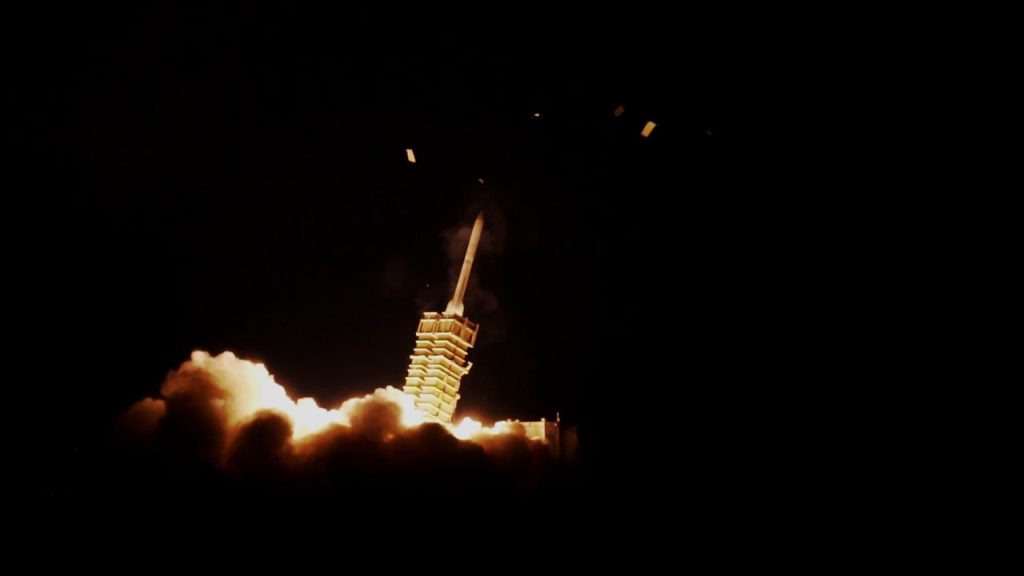
This article argues that the ongoing conflict and nuclear stalemate between the United States and Iran cannot be resolved through military coercion alone. By analyzing historical precedents like the 2015 JCPOA and the Libya model, we explore how a sophisticated framework of graduated sanctions relief and structured post-war investment—rather than just punitive measures—can create the necessary economic logic to encourage lasting Iranian compliance and regional stability.
A Nuclear Strike on Iran Would Solve Nothing and Destroy Everything
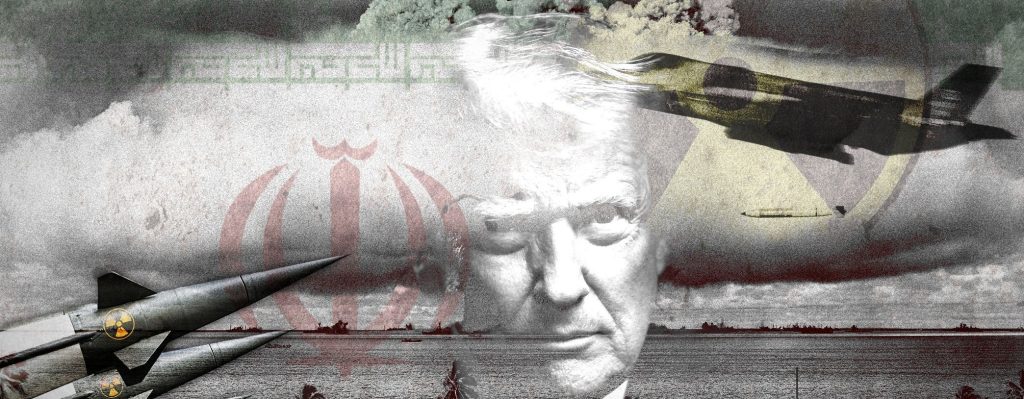
This analysis examines the profound strategic risks associated with the potential use of nuclear weapons in the conflict with Iran. By evaluating the “limited” strike fallacy, the geopolitical fallout of breaking the post-1945 nuclear taboo, and the reality of Iran’s immense geography, we argue that nuclear escalation would fail to achieve military objectives while fundamentally destabilizing the international order and accelerating global nuclear proliferation.