
Turkey Is Building the Military Network Iran Could Never Assemble
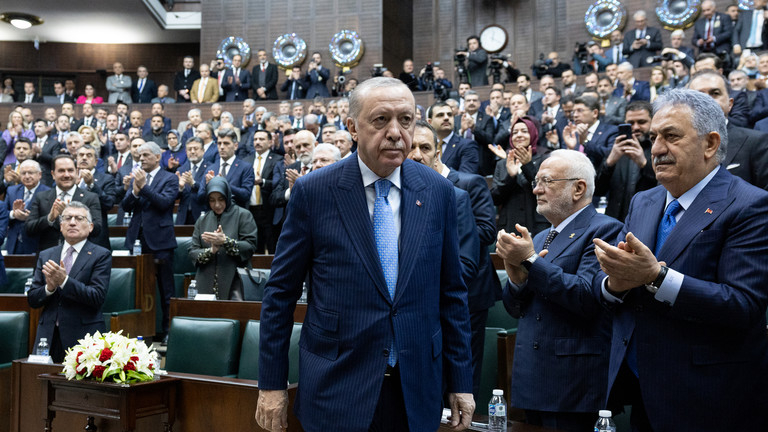
This analysis examines Turkey’s ambitious regional military strategy as demonstrated at the EFES-2026 exercise. By hosting troops from across North Africa and the Levant—including previously fractured Libyan factions and Syria’s newly reconstituted army—Ankara is moving beyond the proxy-based influence models of the past. We explore how Turkey is leveraging its institutional legitimacy and NATO status to formalize a durable military network, effectively creating a new strategic reality in the Middle East that challenges Israeli security planning and reshapes the regional balance of power.
Trump’s Iran Deal Could Be Netanyahu’s Political Undoing
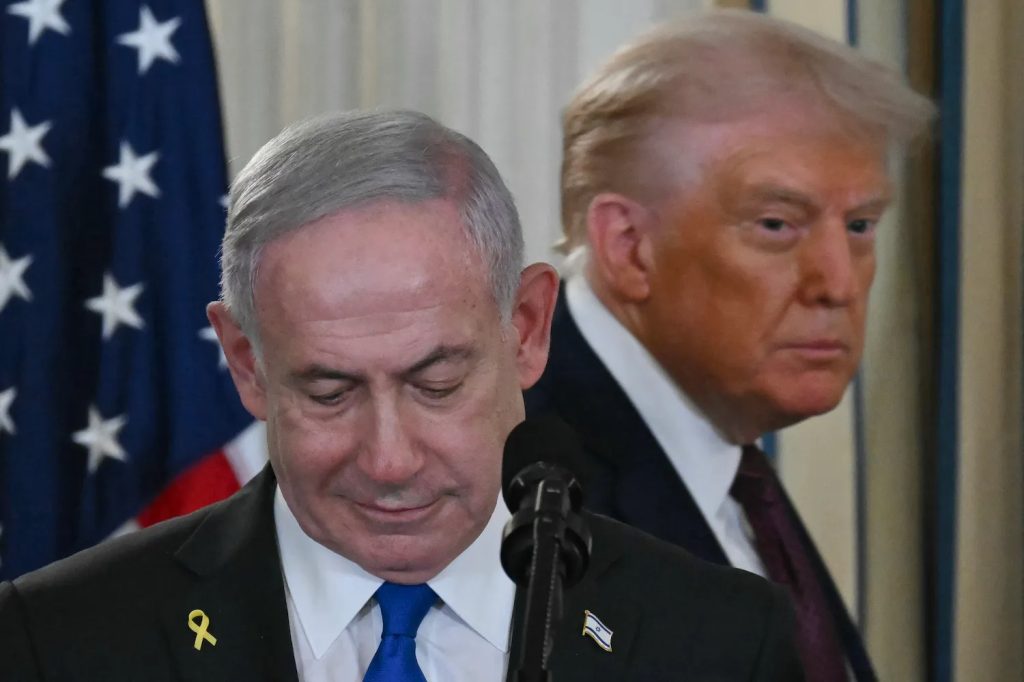
This analysis explores the intensifying friction between Washington and Jerusalem as the U.S. moves toward a formal memorandum of understanding with Iran. We examine how Donald Trump’s leverage over Israeli policy is forcing Benjamin Netanyahu into a corner, stripping him of his traditional influence over regional security strategy. By detailing the failure of Israel’s military objectives in Lebanon and the domestic political fallout of a U.S.-led diplomatic shift, we assess the mounting threat to Netanyahu’s coalition ahead of the upcoming October elections.
Syria’s New Army Is Built on Fault Lines, Not Foundations
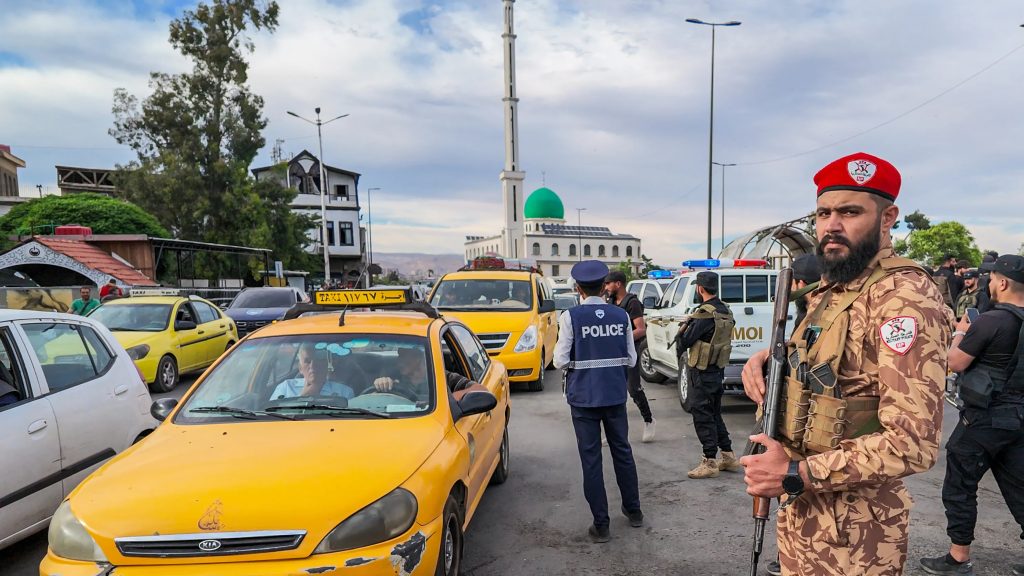
This analysis examines the structural challenges facing Syria’s post-2024 military integration. Rather than establishing a centralized national institution, the transitional authorities in Damascus have incorporated wartime factions intact, effectively codifying local patronage networks and kinship-based command structures. We explore how this “federation of armed communities” mirrors the failures of past post-conflict settlements in Lebanon and Iraq, raising serious questions about the long-term viability of the new Syrian state and its ability to exert genuine central control.
Israel’s Lebanon Offensive Is Killing the US-Iran Peace Deal

This analysis examines the current collapse of diplomatic efforts between Washington and Tehran as of June 2, 2026. Following Israel’s intensified military operations in Lebanon—which Iran views as a breach of the ceasefire—Tehran has suspended indirect communications. We explore the implications of this breakdown for the Strait of Hormuz, the status of the proposed memorandum of understanding, and the escalating risks of a return to full-scale regional conflict.
Iran Is Not Trying to End This War — It Is Trying to Win the Peace
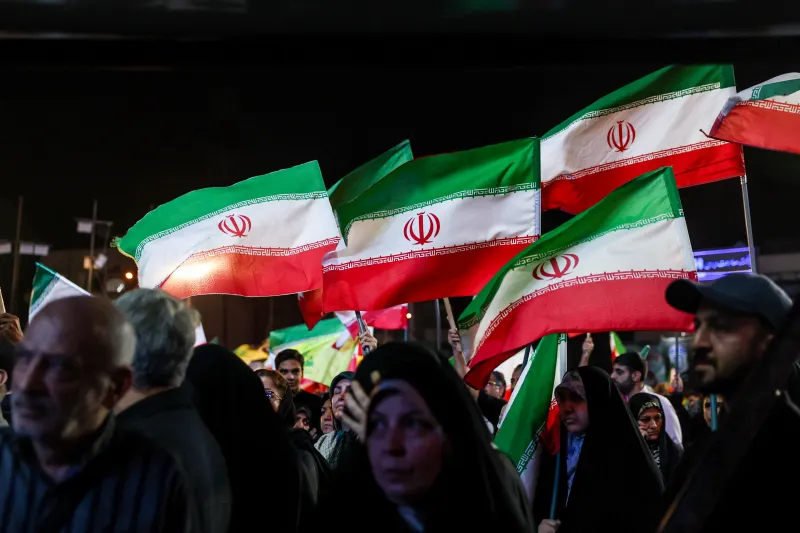
This analysis explores Iran’s strategic shift from a policy of survival to one of active conflict management. By examining the consolidation of hard-line domestic power, the effective weaponization of global energy markets through the closure of the Strait of Hormuz, and the cynical use of negotiations as a tactical delay, we assess how Tehran is positioning itself as a dominant pole in a new, multipolar regional order—regardless of the devastating domestic economic costs.