
Western Leaders Are Losing the Public

This report analyzes the deepening crisis of legitimacy facing leaders across the G7 nations in May 2026. By examining the collapse in approval ratings for figures such as Keir Starmer, Emmanuel Macron, Friedrich Merz, and Donald Trump, the article explores the common threads of public dissatisfaction—specifically the erosion of the social contract driven by persistent inflation, stagnant growth, and unaffordable living costs. With local election results in Britain signaling a major fragmentation of the traditional two-party system and similar trends emerging elsewhere, the piece evaluates whether these record-low ratings represent a temporary protest or a fundamental unraveling of the post-war political consensus.
Three Months In, Iran Is Winning the War It Didn’t Start
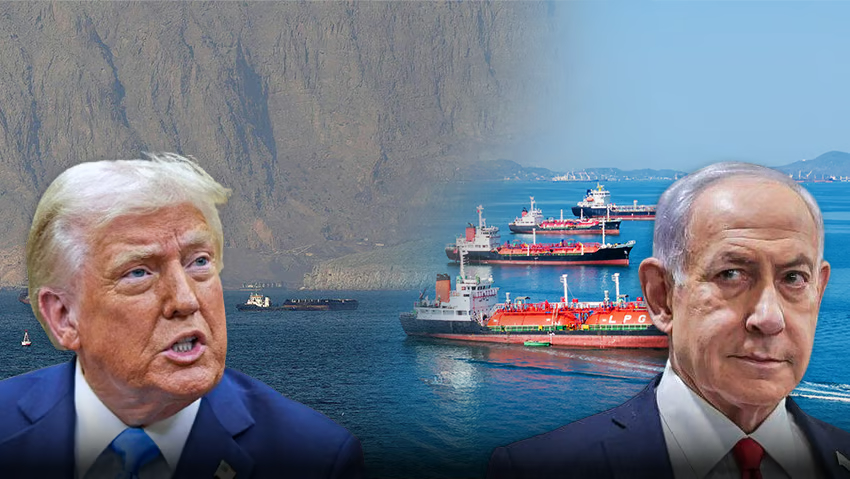
This analysis evaluates the outcomes of “Operation Epic Fury,” the U.S.-Israeli military campaign against Iran that commenced on February 28, 2026. By contrasting the initial objectives of the intervention—ranging from regime change to the elimination of Iran’s nuclear capabilities—with the current geopolitical reality, the report examines how a fractured strategic plan led to a prolonged conflict, the consolidation of Iran’s new leadership, and the emergence of a tenuous ceasefire framework. Ultimately, the article argues that the gap between the war’s original premise and its results reveals the limitations of military-first approaches when confronted with resilient state apparatuses and the complexities of regional power dynamics.
The Three Crises Netanyahu Leaves Behind

This analysis explores the three fundamental crises defining the end of Benjamin Netanyahu’s premiership as Israel heads toward potential early elections. Following the preliminary Knesset vote to dissolve itself on May 20, 2026, the report examines the long-term impact of Israel’s deepening international criminal exposure, the evolution of settler outposts into a quasi-paramilitary security apparatus in the West Bank, and the profound legal and ethical implications of the newly established military tribunal for October 7 suspects. By framing these issues as “fixed terrain,” the article argues that these structural legacies will constrain and challenge any successor government, regardless of the election outcome.
PEPFAR’s New Terms: Minerals, Data, and Diminishing Aid
This analysis examines the shift in U.S. global health strategy, specifically focusing on the new bilateral “America First” agreements being negotiated across Africa. By detailing how essential health assistance—including HIV and malaria treatment—is now being leveraged for critical mineral access and sensitive health data, the report explores the far-reaching consequences for African public health systems. It argues that this strategic pivot not only threatens to dismantle decades of progress in disease control but also marginalizes regional health institutions, ultimately transforming humanitarian aid into a tool for geopolitical competition and corporate resource acquisition.
Europe’s China Trade War Temptation Is a Trap of Its Own Making

This analysis explores the intensifying debate within the European Union regarding its trade policy toward China. With a 2025 trade deficit of €359.8 billion serving as a focal point, the article examines the push by a five-nation coalition—led by France and others—for more aggressive protectionist measures. By contrasting these calls for tariffs with warnings from experts like Rolf Langhammer about structural competitiveness, the report assesses whether Brussels is prioritizing genuine industrial strategy or simply reacting to competitive panic. The piece further contextualizes the EU’s internal challenges, such as high energy costs and fragmented regulation, arguing that trade barriers may fail to address the root causes of Europe’s weakening industrial position.