Tag: Quad

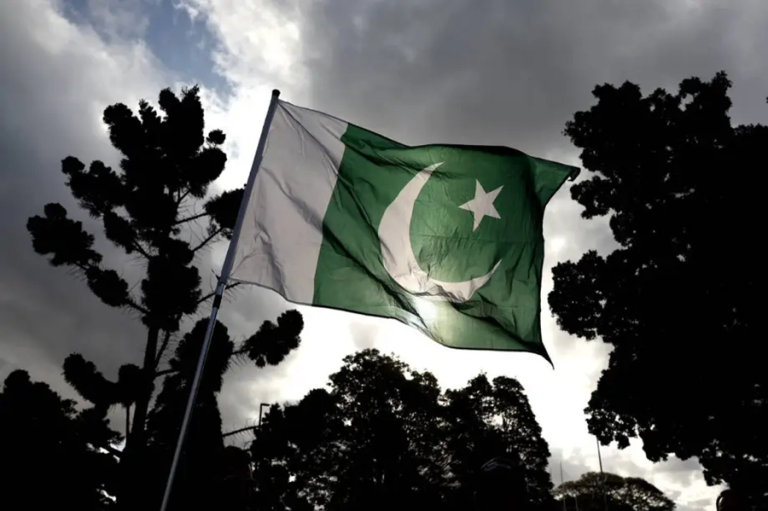
Flag of Pakistan waving on a flagpole against a cloudy sky surrounded by silhouetted trees.

How Pakistan Balances Global Powers Without Becoming a Pawn

By occupying a vital geographic crossroads, Pakistan operates as a key geopolitical fulcrum. Through strategic hedging between Beijing, Washington, and Gulf powers, Islamabad secures military and financial leverage without submitting to total dependency. This calculated balancing act ensures no major power can bypass its regional influence.
Read More »
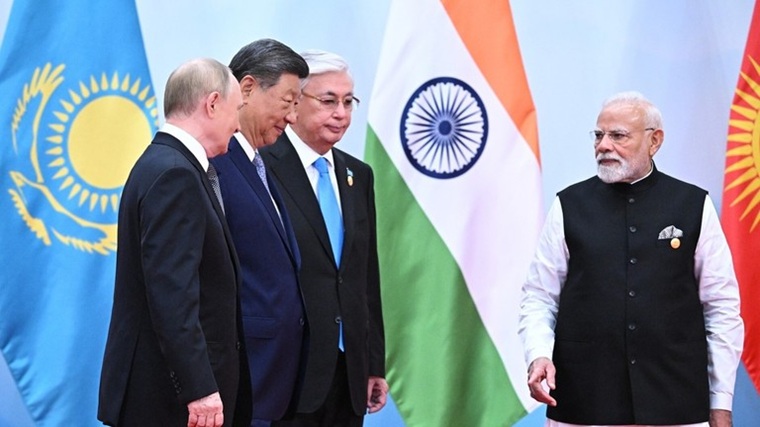
Narendra Modi greeting Vladimir Putin, Xi Jinping, and Kassym-Jomart Tokayev in front of national flags.

India Anchors Eurasian Strategy in the SCO

India uses the SCO to preserve strategic autonomy across Eurasia. Engaging directly with rivals allows New Delhi to balance maritime commitments with continental security. This vital presence prevents unchallenged dominance by competitors and ensures a multipolar region despite ongoing trade challenges.

Read More »
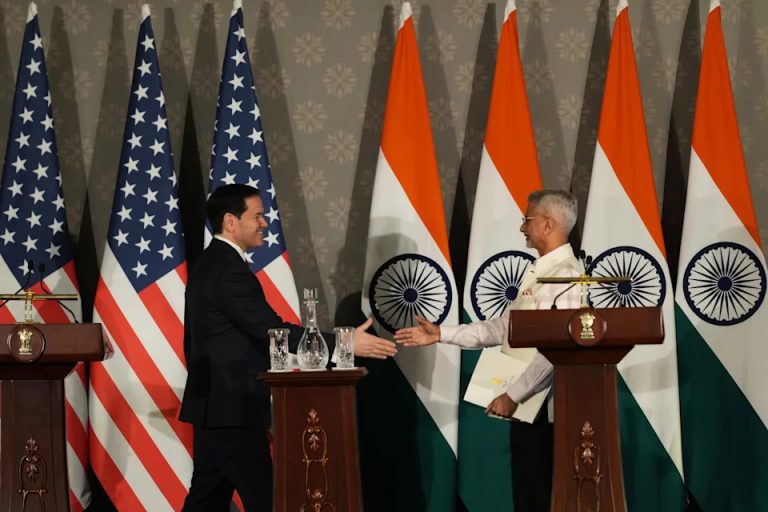
A US official and an Indian official shaking hands at a podium.

India Is Done Being Washington’s Junior Partner

Following a challenging year marked by tariff disputes and shifting geopolitical priorities, Washington and New Delhi are moving to repair their strategic partnership. With a final trade agreement now near completion, both nations are reaffirming their commitment to deep economic and security cooperation.

Read More »
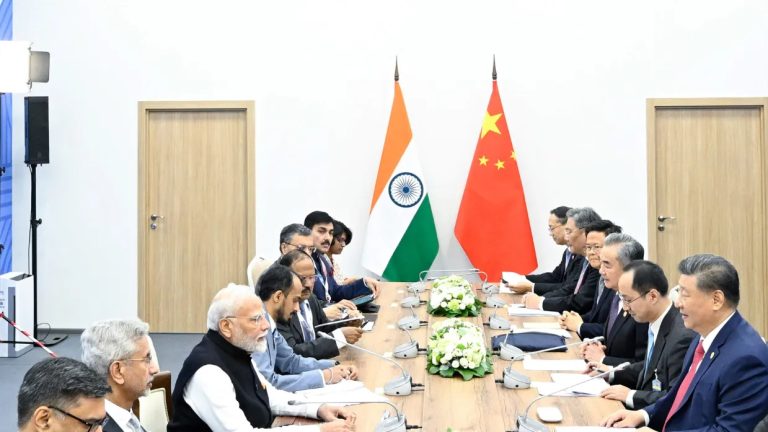
Indian and Chinese officials sit across from each other at a long conference table.

India and China’s Fragile Thaw: Engagement Without Trust

Despite a cautious thaw in diplomacy, India-China relations remain defined by strategic mistrust. While both nations have resumed engagement to manage economic and border issues, significant challenges—including a massive trade imbalance and stalled de-escalation—persist, leaving the future of their fragile partnership uncertain.

Read More »
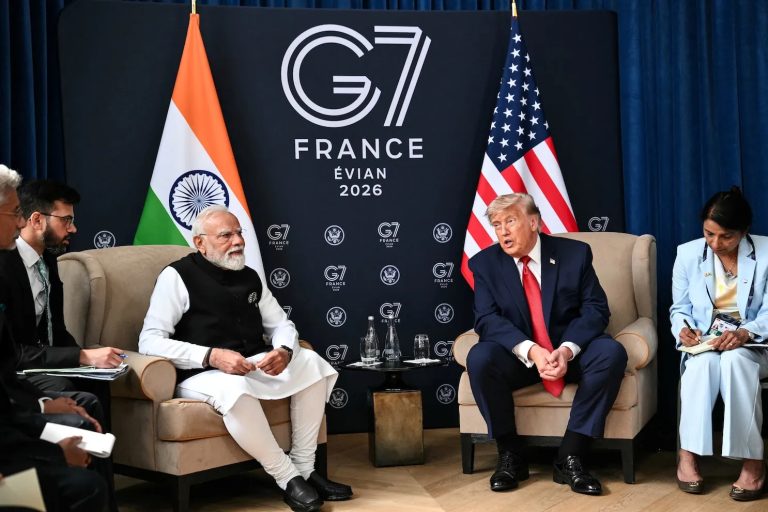
Prime Minister Narendra Modi and President Donald Trump in a formal meeting at the G7 Summit.

The Iran War Broke Something Permanent in U.S.-India Relations

The recent conflict with Iran has exposed a deep, structural rupture in U.S.-India relations. Following fatal maritime incidents and economic shocks, New Delhi is forced to confront the limits of American partnership. As Washington prioritizes unilateral objectives, India is quietly recalibrating its strategic trajectory, testing the long-term viability of their alliance.

Read More »
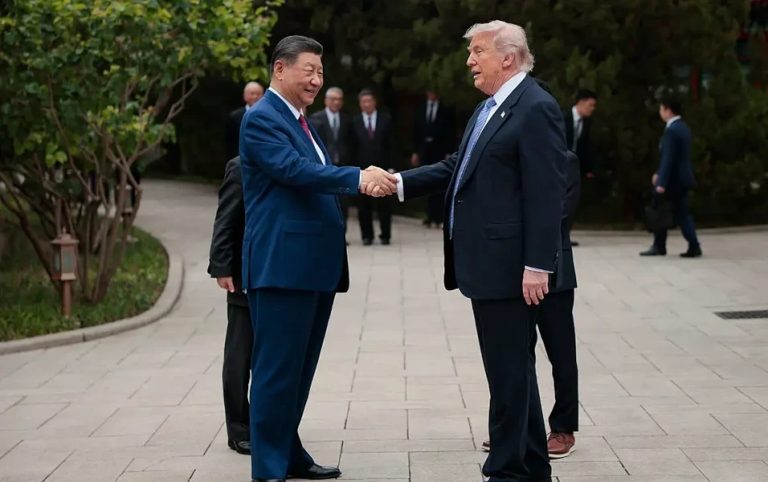
Trump and Xi Jinping shaking hands during a formal meeting.

Trump’s Taiwan Arms Freeze Is a Strategic Gift to Beijing

The Trump administration’s decision to pause a significant arms package to Taiwan marks a departure from four decades of bipartisan defense strategy. By conditioning military support on bilateral relations with Beijing, this move undermines the Six Assurances and raises critical questions about Washington’s long-term reliability among its Indo-Pacific treaty allies.

Read More »
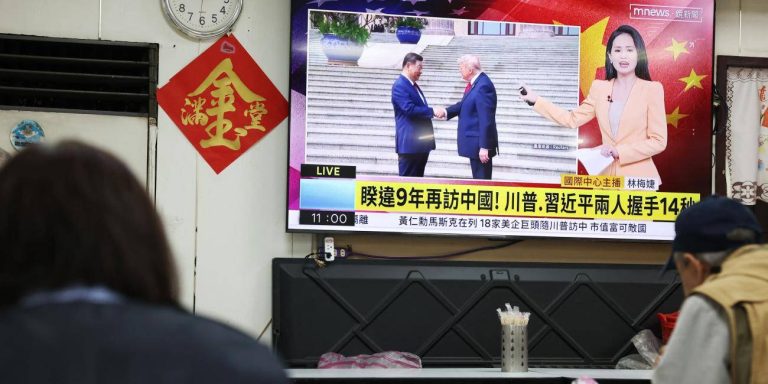
TV news broadcast showing Donald Trump and Xi Jinping shaking hands.

Indo-Pacific Allies Rethink Security After Trump’s Taiwan Gamble

This analysis explores the growing crisis of confidence among U.S. Indo-Pacific allies following recent shifts in Washington’s Taiwan policy. As traditional deterrence mechanisms face strain, key partners like Japan and South Korea are accelerating defense transformations and reconsidering long-standing nuclear restraint policies, signaling a profound shift in regional security architecture.

Read More »
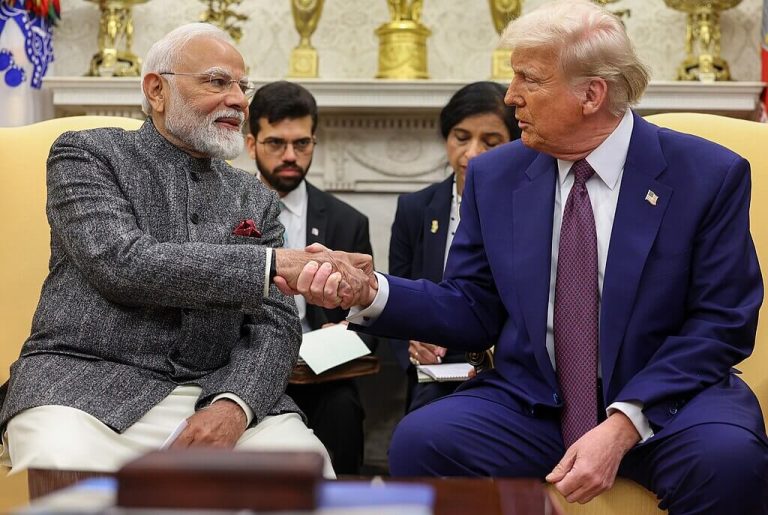
Indian Prime Minister Narendra Modi and President Donald Trump shaking hands while seated in the Oval Office, with aides and a fireplace in the background.

Trump’s Transactional Shift in US-India Relations

The US-India partnership is entering a pragmatic new phase characterized by a focus on tangible outcomes in trade, technology, and defense. While shared concerns regarding China’s influence sustain the alliance, the relationship now navigates a transactional landscape where immediate mutual benefits and market access take center stage.

Read More »
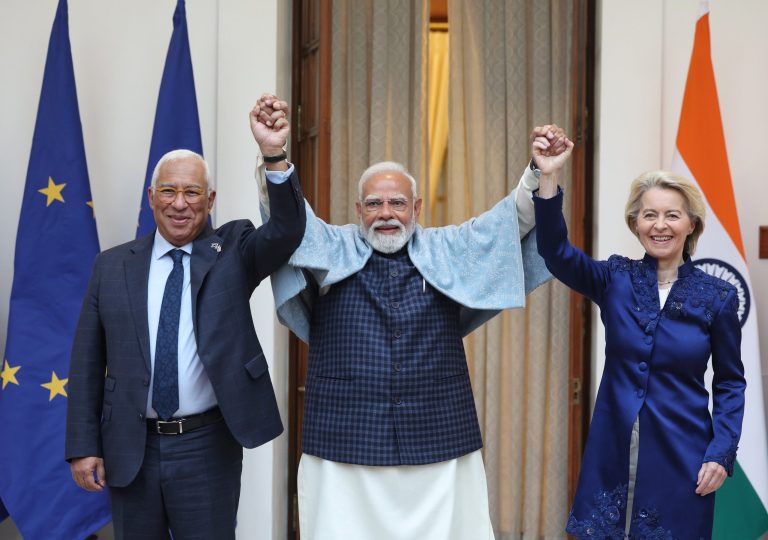
Indian Prime Minister Narendra Modi standing between two European leaders, holding their hands up in a gesture of unity.

India’s Balancing Act: Surviving Trump 2.0 Without Picking a Side

The second Trump presidency has stress-tested India’s foreign policy like never before. Faced with tariff shocks and diplomatic friction over Russian oil, New Delhi has doubled down on its doctrine of multi-alignment. From finalizing a landmark EU trade deal to joining the US-led “Pax Silica” initiative while maintaining ties with Moscow and Beijing, India is navigating a fragmented global order by transforming economic pressure into strategic resilience.

Read More »
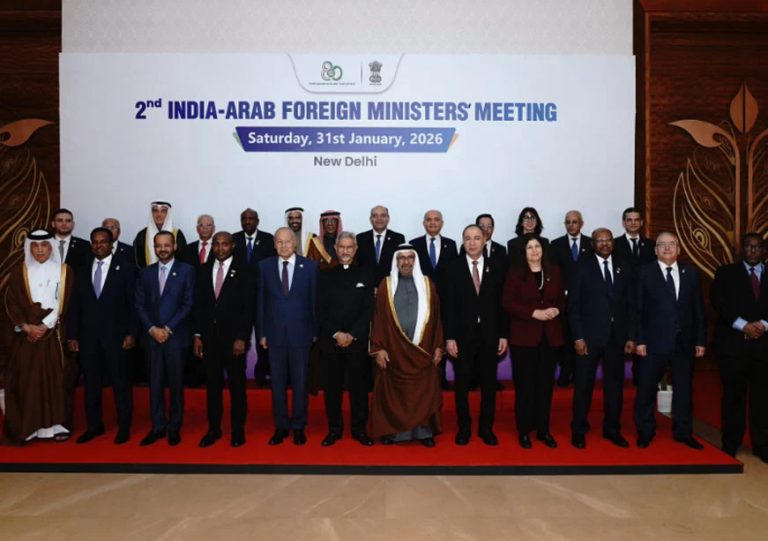
A group of over twenty diplomats and officials in suits and traditional Arab attire standing for a formal group photo on a red carpet in front of a large white banner that reads "2nd INDIA-ARAB FOREIGN MINISTERS' MEETING, Saturday, 31st January, 2026, New Delhi."

India’s Multipolar Gamble With the Arab World

The revival of the India–Arab Foreign Ministers’ Meeting after a decade isn’t just a diplomatic reunion. It’s a sign that both India and the Arab world are trying to position themselves in a world where the Western-led order is cracking from within — and where Washington’s reliability can no longer be assumed.

Read More »