Tag: Proxy War

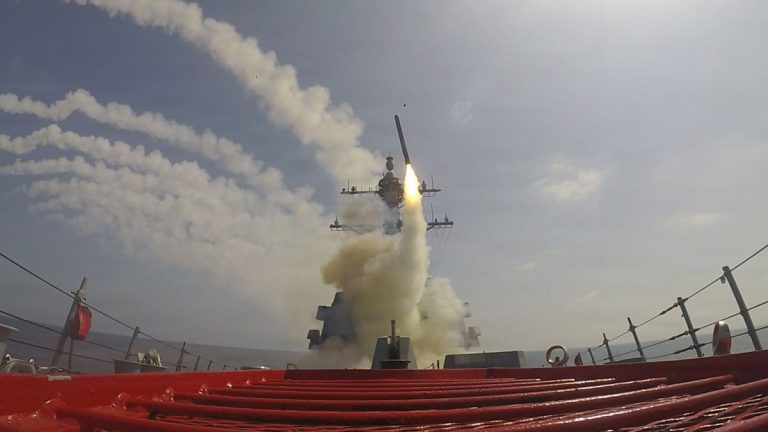
A missile being launched from the deck of a US Navy destroyer at sea, leaving a trail of white smoke.

US Missile Stocks Dwindle After Iran Ceasefire

Following the ceasefire with Iran, Pentagon officials are assessing significantly depleted weapons inventories. The high consumption of expensive systems like Tomahawks and Patriots has highlighted a need for more sustainable options. Consequently, the U.S. is accelerating the production of affordable alternatives, including the $35,000 LUCAS “kamikaze” drone.

Read More »
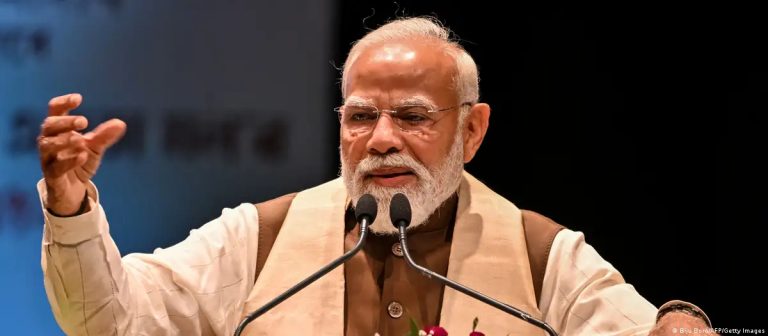
Indian Prime Minister Narendra Modi speaking at a podium during an official event.

India’s Strategic Risks in the Iran Conflict

While India successfully maintained maritime access during the Iran conflict, the crisis has exposed deep strategic vulnerabilities. Beyond energy and remittance dependencies, New Delhi must navigate shifting regional alliances, the potential for ideological spillover into South Asia, and the long-term impact of a weakened Israel on India’s own defense procurement.

Read More »
A diplomatic meeting between an Iranian official and an Omani leader in a grand palace room.

Why Lasting Iran Deal Needs Arab Inclusion

While international mediators have secured a fragile truce between the U.S. and Iran, long-term peace hinges on the formal inclusion of Arab Gulf states. Given their firsthand exposure to regional threats and successful history of mediation, these nations are essential for crafting a multilateral framework that addresses ballistic missiles and maritime security.

Read More »
Soldiers in military gear standing in a war-torn urban street with smoke in the background.

Post-Iran War Diplomacy Tests Gaza and Lebanon

Following military operations against Iranian targets, diplomats are navigating fragile ceasefires in Gaza and Lebanon. Success depends on establishing credible governance, ensuring Lebanese sovereignty, and addressing Iran’s nuclear ambitions while balancing the reconstruction needs of war-torn areas against the necessity of permanent demilitarization and regional security.

Read More »
A raised clenched fist wrapped in the Iranian flag against a dark, blurred background with bokeh lights.

Iran’s History of Defiance Challenges US Pressure

The current U.S.-Iran conflict is the latest chapter in a century-long struggle for Iranian sovereignty. By analyzing historical milestones from the 1953 coup to the recent 2026 escalations, this report explores why coercive diplomacy and tactical strikes often backfire. In a region where collective memory shapes modern policy, the pursuit of “domination” continues to underestimate the enduring power of national dignity.

Read More »
A portrait of Donald Trump looking directly at the camera with a serious expression, wearing a blue suit and purple tie.

US-Backed Figures Risk Familiar Fate in Iran Crisis

A recurring pattern in American foreign policy—the cultivation of local proxies for regime change—is once again playing out in the Iran conflict. From exiled figures to ambitious local politicians, those seeking power through external sponsorship often ignore the cautionary tales of the past. History suggests that such collaborations are inherently fragile, frequently ending in isolation or abandonment once Washington’s strategic priorities shift.

Read More »
A close-up shot of a high-ranking official smiling while standing next to Vladimir Putin with Iranian and Russian flags in the background.

Iran Conflict Strengthens Authoritarian Networks

The ongoing conflict with Iran has unveiled a sophisticated web of cooperation among authoritarian states. Beyond tactical military aid, China and Russia are helping Tehran build a parallel economic and technological system. From electronic warfare sharing to the normalization of non-dollar trade, this “Authoritarian Collaboration” is actively reshaping global alignments and challenging the resilience of democratic alliances.

Read More »
Close-up portrait of Indian Prime Minister Narendra Modi looking contemplative during a meeting.

India Navigates Gulf Tensions With Strategic Caution

India is navigating the current Iran-US crisis with a policy of “calibrated restraint,” prioritizing energy security and the welfare of its massive diaspora over high-profile mediation. While Pakistan gains visibility as a facilitator, New Delhi is focusing on long-term flexibility, protecting its structural interests in Chabahar and the Gulf while avoiding entanglement in great-power rivalry

Read More »
Foreign Ministers of Egypt, Saudi Arabia, Pakistan, and Türkiye standing together in front of a joint summit banner.

Türkiye’s Neutrality Tests Regional Balance After Iran Ceasefire

Türkiye has successfully navigated the recent Middle East conflict by maintaining a policy of “strategic flexibility.” While avoiding direct entanglement, Ankara has leveraged the disruption of traditional routes to boost its role as a key energy transit hub via the Kirkuk-Ceyhan pipeline, while positioning itself as a pragmatic mediator alongside the STEP quartet.

Read More »
Protesters in an urban setting holding a sign that reads "War without an exit strategy is a national suicide!"

Tactical Wins Fall Short in US-Israel Campaign Against Iran

Despite significant damage to Iran’s infrastructure and leadership, the US-Israeli military campaign has struggled to achieve its broader political goals. Tehran’s survival and its strategic leverage over the Strait of Hormuz highlight the limitations of military force in securing a decisive regional realignment or regime change.

Read More »
Digital art of US and Iranian naval warships flanking a large oil tanker under a glowing economic trend line.

Iran Embraces Prolonged Confrontation After Failed Talks

Following the failure of direct negotiations in Islamabad, Iran has embraced a strategy of prolonged confrontation. By leveraging its control over the Strait of Hormuz and betting on global energy sensitivity, Tehran aims to outlast US political cycles, turning the maritime chokepoint into a tool of strategic endurance.

Read More »
Donald Trump standing outdoors in a suit and red tie with the White House in the background.

Trump’s Path to Stabilizing US-Iran Ceasefire

As the US-Iran ceasefire holds, the Trump administration faces a critical window to stabilize global energy markets and address domestic economic pressures. By prioritizing the reopening of the Strait of Hormuz and coordinating with regional allies, Washington seeks to convert recent military leverage into a durable strategic settlement before the upcoming midterm elections.

Read More »