Tag: Proxy War

Iran War Exposes US Policy Contradiction

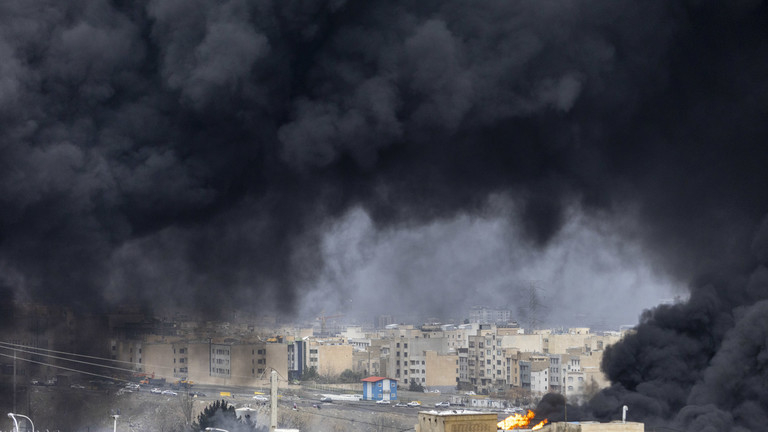
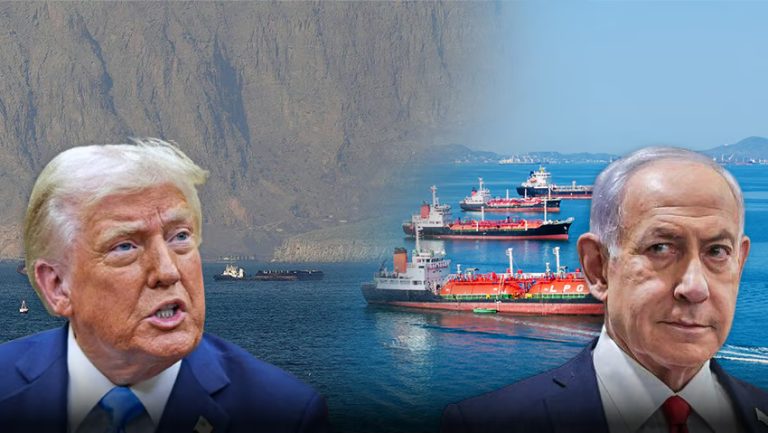
The Iran war has pushed U.S. policy into contradiction, exposing clashing goals on Iran’s regime and nuclear limits while driving costs higher and yielding few gains—fueling domestic frustration as the conflict drags on.

Read More »
The United States Capitol building dome viewed from a tree-lined street with colorful autumn foliage and parked cars.

Why Congress Is Essential to US Grand Strategy

In 2026, the reliance on executive orders over congressional consensus has hollowed out American statecraft. From trade wars to undeclared military engagements, the absence of legislative deliberation undermines strategic continuity, leaving allies uncertain and adversaries ready to exploit the structural gaps in U.S. foreign policy.

Read More »
A large street billboard in Iran depicting military failures and naval captures.

Why the Iran Collapse Strategy Keeps Backfiring

Washington’s reliance on a “breakdown” strategy in Iran is being tested by Tehran’s ability to endure sustained military and economic pressure. Instead of a swift collapse, current cycles of attrition have fueled global oil price spikes, reaching $4.50 per gallon in the U.S., while strengthening Iran’s informal trade networks and regional alliances.

Read More »
Asim Munir and Marco Rubio conversing in a formal setting.

Why Pakistan’s Iran Mediation Won’t Reset US Ties

Despite successfully brokering a fragile April ceasefire between Washington and Tehran, Pakistan faces a steep climb to restore long-term strategic trust with the U.S. Persistent concerns over militant groups, the fallout from the 2025 Pahalgam attack, and Islamabad’s deep economic ties with China suggest that the current warmth remains largely transactional and issue-dependent.

Read More »
Digital collage depicting military tension between the United States and Iran flags.

Superpowers Learn Restraint From US-Iran War

Recent military confrontations between the U.S. and Iran have led global strategists to reevaluate the costs of overcommitment. As defense spending competes with domestic needs and media coverage amplifies setbacks, major powers are shifting toward more selective engagement, prioritizing internal stability and core interests over prolonged, distant interventions.

Read More »

Why Lebanon Needs a Marshall Plan Now

Lebanon’s latest conflict has deepened an already severe economic and political crisis. With billions needed for reconstruction, experts argue only a large-scale international recovery plan can restore stability. Strengthening state institutions, rebuilding infrastructure, and creating jobs may be the best chance for lasting peace.

Read More »

UAE’s OPEC Exit Targets Iran’s War Economy

The UAE has announced its exit from OPEC effective May 1, 2026, signaling a major shift in Gulf energy politics. Abu Dhabi plans to increase oil production, aiming to weaken Iran’s revenue base during escalating regional tensions. The move could reshape OPEC dynamics and global energy markets.

Read More »
Split screen showing Vladimir Putin and Donald Trump both speaking on landline telephones.

Putin-Trump Talks Chart Path Beyond Ukraine Stalemate

Recent high-level discussions between President Trump and Vladimir Putin suggest a pivot beyond the Ukraine stalemate. Building on the 2025 Anchorage Summit, the leaders are exploring limited cooperation on Iranian enrichment and energy markets. This evolving dialogue signals a shift toward pragmatism, as both capitals navigate a complex multipolar landscape.

Read More »
Large plume of smoke rising from an explosion in a hilly, residential area of Southern Lebanon.

Israel’s Lebanon Quagmire Drains a Tired Military

Weeks after a mid-April ceasefire, Israeli forces remain entrenched in southern Lebanon, facing a war of attrition. The mission, characterized by outpost defense and infrastructure demolition, is severely straining military readiness and reserve morale. Without a clear political exit strategy, the situation risks repeating the unsustainable occupation cycles of previous decades.

Read More »
Saudi Crown Prince Mohammed bin Salman engaging in a conversation with a regional leader and military officials.

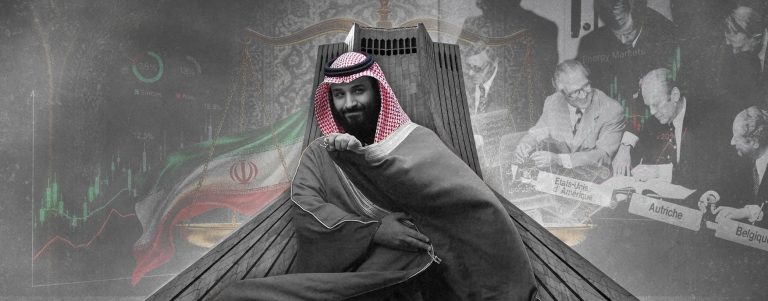
Iran War Drives Saudi Red Sea Recalibration

The conflict with Iran has prompted a strategic recalibration in Saudi Arabia, shifting focus toward the Red Sea to bypass the blocked Strait of Hormuz. By expanding the East-West pipeline and NEOM’s port infrastructure, Riyadh aims to secure trade routes amid a deepening rift with the UAE and volatile global energy markets.

Read More »