Tag: Middle East

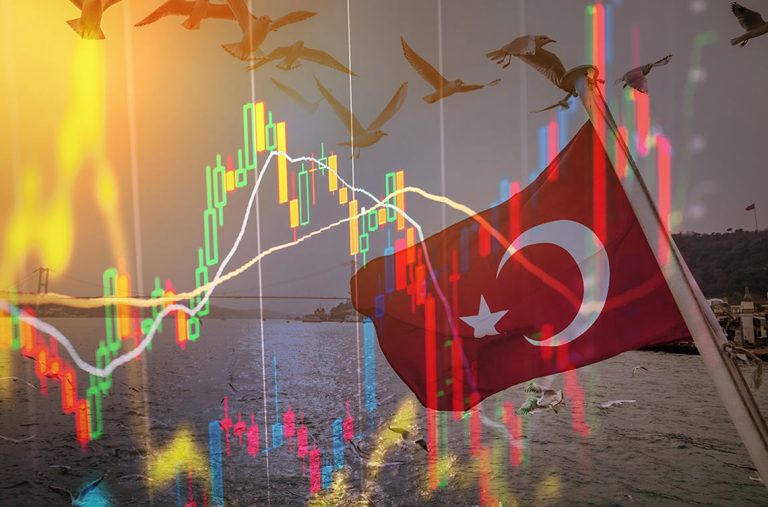
Turkish flag over the Bosphorus Strait overlayed with stock market candlestick chart graphs.

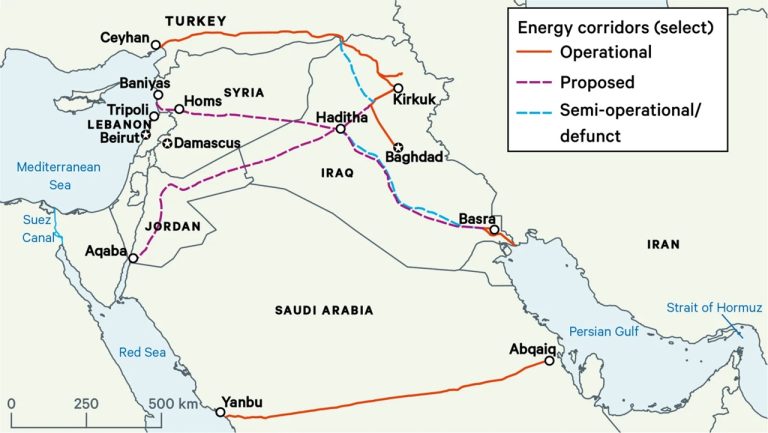
How Ankara Uses Energy Networks to Maximize Geopolitical Leverage

By combining natural gas pipelines, LNG deals, and cross-border power grids, Turkey is evolving from a simple transit route into a regional energy hub. From supplying power to Syria to connecting Gulf resources to Europe, Ankara leverages infrastructure to build political influence while navigating complex European regulatory requirements.

Read More »
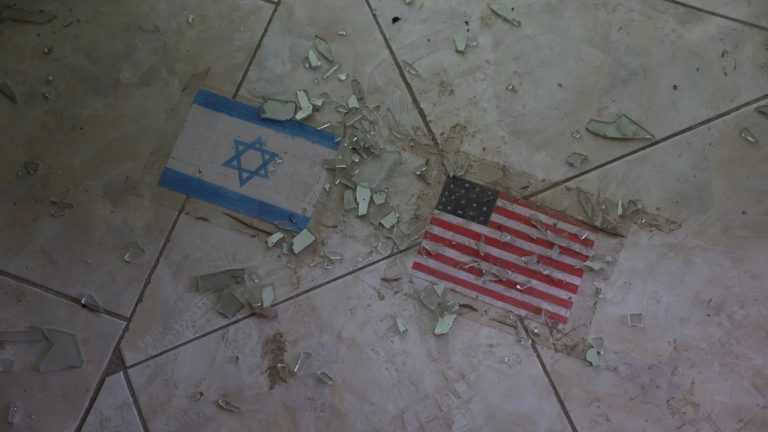
Israeli flag and US flag decals embedded on a tiled floor covered in broken glass shards.

A Legacy of Unending Conflicts

Military interventions have repeatedly failed to secure regional stability. From Afghanistan to the new conflict with Iran, military force cannot solve complex political grievances. True security requires diplomacy, adherence to international law, and addressing the root causes of instability, including the longstanding Palestinian question.

Read More »
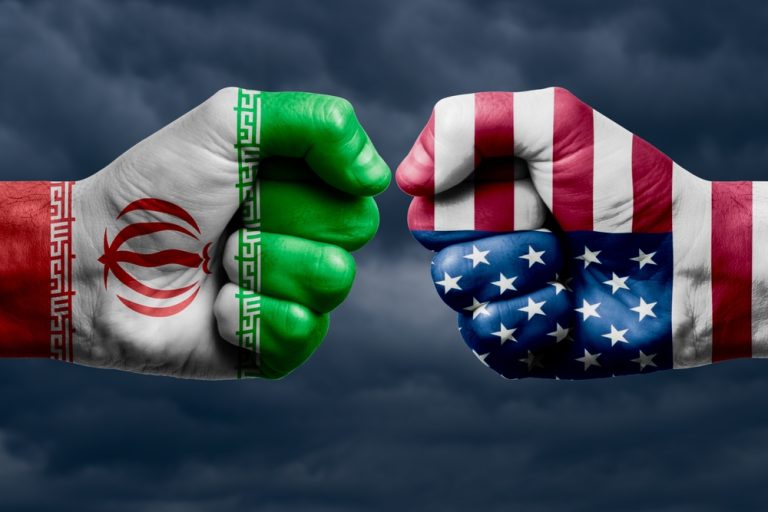
Conceptual image of two giant fists bumping, one painted with the Iranian flag and the other with the US flag, against a stormy sky.

How Iran Is Winning the Peace After Losing the War

The recent war between the U.S., Israel, and Iran has failed to dismantle Tehran’s core regional influence. As diplomatic agreements struggle to hold, the conflict has evolved from open warfare into a complex struggle for regional dominance, leaving the Strait of Hormuz and future security precarious.

Read More »
A conceptual digital illustration of planet Earth centered within a complex, glowing orange circuit board pattern.

The War of Clocks and Systems: New Rules of Geopolitical Power

In the “Trumpquake” era, the rules of global power have been rewritten. Beyond the fragile US-Iran ceasefire lies a deeper systemic warfare where strategic patience (Tehran’s clock) clashes with political haste (Washington’s clock). This report explores the emergence of a fragmented order—from Hezbollah’s financial revival to the EU’s electrification mandate—where pragmatic alliances and the weaponization of maritime arteries have replaced traditional diplomacy.

Read More »
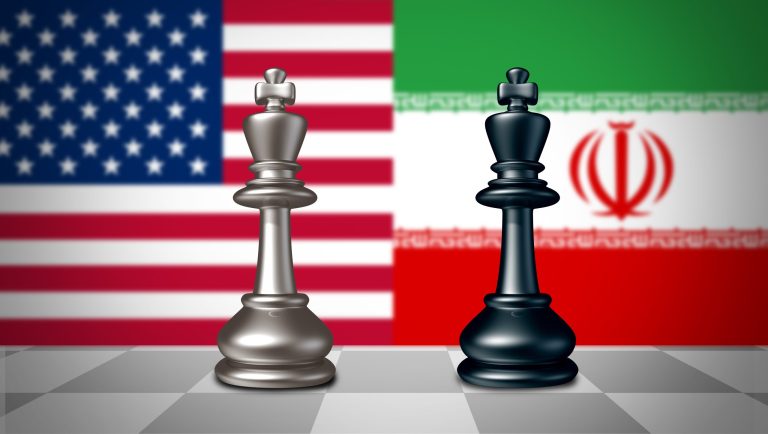
Two chess kings, one silver and one black, standing on a chessboard with the blurred flags of the United States and Iran in the background.

Iran War Erodes US Appetite for Middle East Role

As the conflict enters its third month, domestic opposition to U.S. military engagement in the Middle East has reached a critical tipping point. Driven by rising energy costs and economic anxiety, a majority of Americans now disapprove of the ongoing campaign. With the 60-day War Powers Resolution deadline approaching, the administration faces a defiant Congress and a public increasingly weary of open-ended regional commitments.

Read More »
A digital illustration of a man in a suit viewed from behind, standing on a cracked map shaped like Iraq, looking toward a dark, silhouetted skyline with an oil derrick and mosques.

Iraq’s Political Gamble: When Strongmen Return to Fragmented States

In early 2026, Iraq finds itself in a state of “organized confusion” as it attempts to finalize its government following the November 11, 2025 elections. The sudden withdrawal of Mohammed Shia al-Sudani and the push for Nuri al-Maliki’s return have transformed a domestic transition into a high-stakes standoff between Washington and Tehran.

Read More »
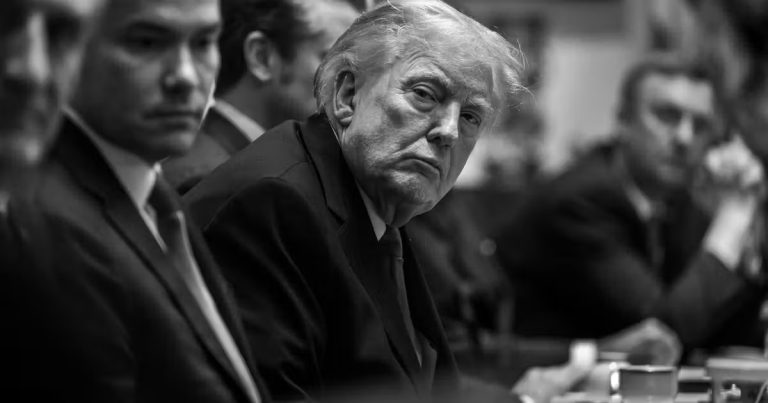
A black and white, high-contrast close-up of Donald Trump sitting at a long table during a meeting, looking towards the camera with a stern expression, surrounded by other men in suits who are partially blurred.

The Psychology of Escalation in Foreign Intervention

U.S. decision‑making on Iran is increasingly shaped not by structured interagency analysis but by a feedback loop of emotional validation. When a leader repeatedly asks a narrow circle of loyalists whether an action is a “winner,” the question itself becomes a self‑fulfilling prophecy. The result is a foreign policy environment where impulse, affirmation, and narrative gratification override strategic caution.

Read More »
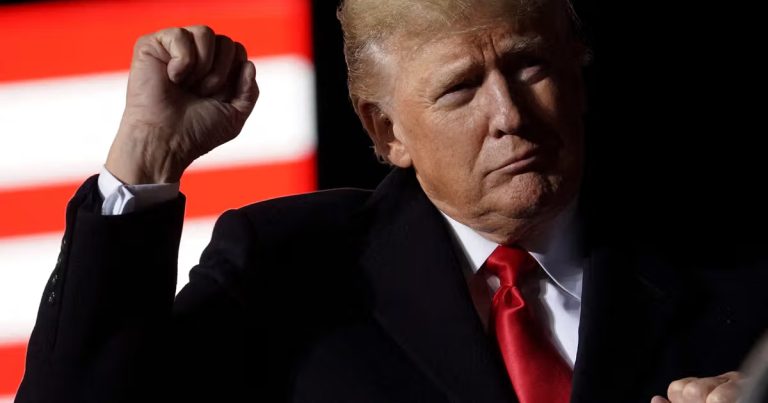
A close-up portrait of Donald Trump raising a clenched fist, wearing a dark coat and a bright red tie, with a blurred American flag featuring red and white stripes in the background.

The Negotiation Asymmetry: Can Iran’s Concessions Match the Scope of American Demands

U.S.–Iran talks are unfolding under extreme imbalance. Washington negotiates with overwhelming military and economic leverage; Tehran negotiates under domestic strain, regional setbacks, and limited great‑power backing. But asymmetry does not guarantee capitulation. It creates a narrow, unstable space where both sides must decide whether compromise or confrontation better protects their core interests.

Read More »