Tag: Hybrid Warfare

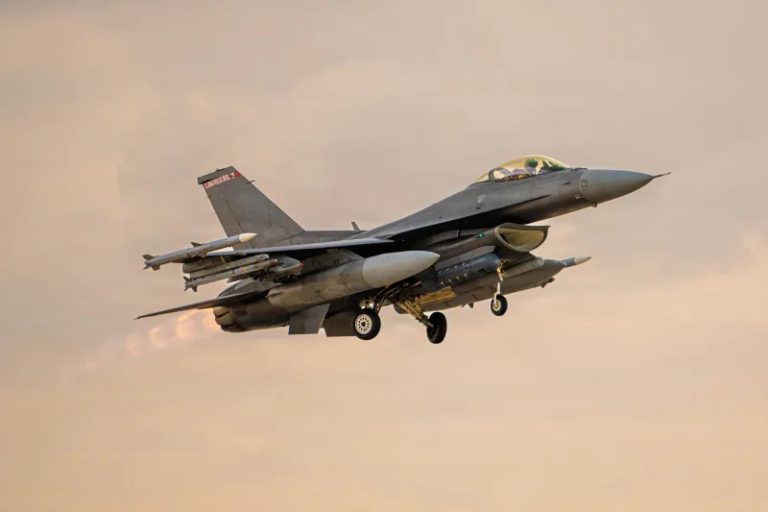
A U.S. F-16 fighter jet in flight, representing military power and global base presence.

America’s Empire of Bases Is Starting to Cost Its Hosts Too Much

This analysis examines the growing strategic liability of the U.S. “empire of bases” in the Middle East. As the ongoing conflict with Iran reveals the vulnerability of host-nation infrastructure—exemplified by the devastating June 3 attack on Kuwait International Airport—we explore how the proliferation of low-cost, high-impact drone and missile technologies has fundamentally inverted the security guarantee the U.S. once provided. We assess whether the increasing risk of hosting U.S. forces will lead to a systemic denial of access, potentially forcing a retraction of American global reach and fundamentally altering the future of U.S. military power.

Read More »
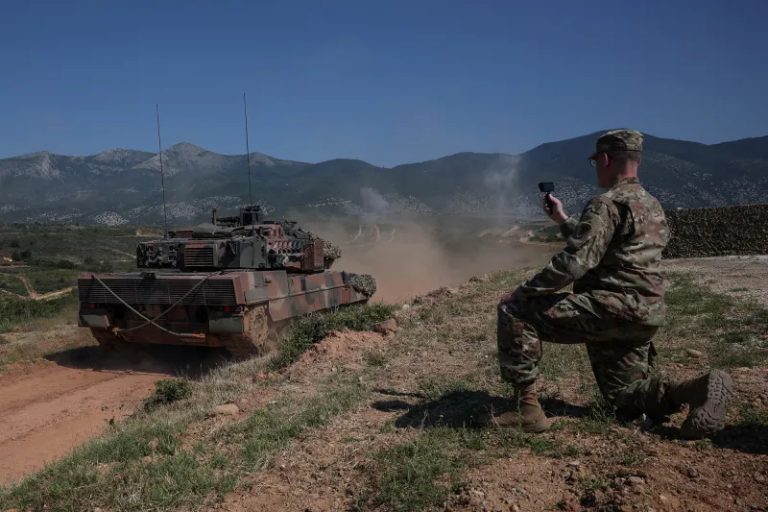
A soldier in camouflage kneeling on a dirt path while operating a drone controller, with a military tank nearby.

Why Europe Should Cofinance US Defense Enablers

This analysis argues for a structured cofinancing model between Europe and the United States to address persistent shortfalls in high-end military enablers, such as secure command networks and advanced intelligence. By formalizing these investments, allies can maintain credible deterrence against regional threats while optimizing resources across a multipolar global landscape.

Read More »

Closing America’s Gray Zone Confidence Gap

Strategic competition today is defined by influence operations and narrative battles, yet American decision-making remains plagued by institutional overconfidence. Lessons from Afghanistan highlight a failure to track analytical accuracy, suggesting that the U.S. must invest in “decision infrastructure” and forecasting systems to turn intelligence into a durable advantage.

Read More »
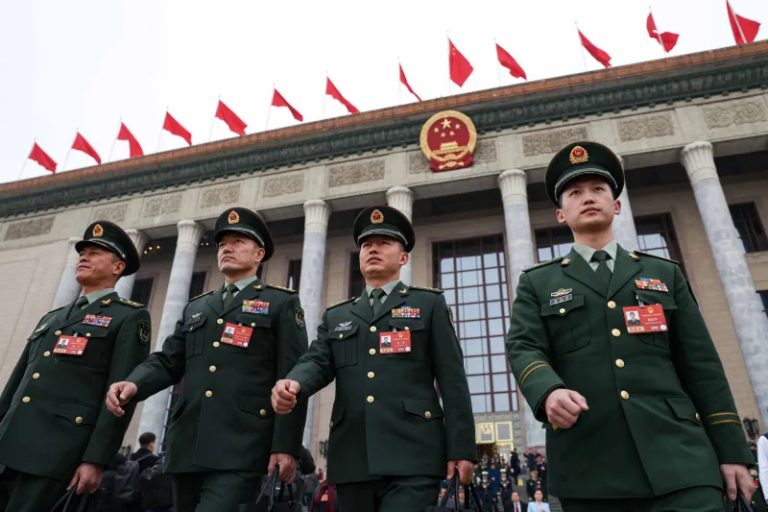
Chinese military officers in green uniforms walking in front of the Great Hall of the People in Beijing.

Beijing’s Patient Strategy on Taiwan

Beijing pursues unification through patience, leveraging power trends, Taiwan’s divisions, and gray‑zone pressure while avoiding a costly war. Its long game aims to make political convergence seem inevitable without triggering catastrophic conflict.

Read More »
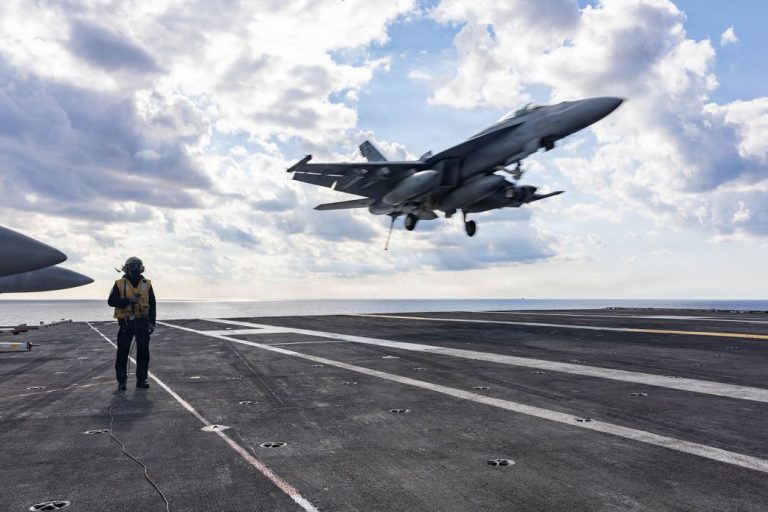
A US Navy F/A-18 Super Hornet fighter jet landing on the flight deck of an aircraft carrier.

Why US Pressure on Iran Keeps Failing

Recent American airstrikes and naval blockades have failed to yield the intended concessions from Tehran. Instead, Iran has consolidated domestic support and utilized its strategic position near the Strait of Hormuz to maintain leverage. With global oil prices surging and diplomatic channels narrowing, the confrontation highlights the limitations of force in resolving long-standing geopolitical disputes.

Read More »
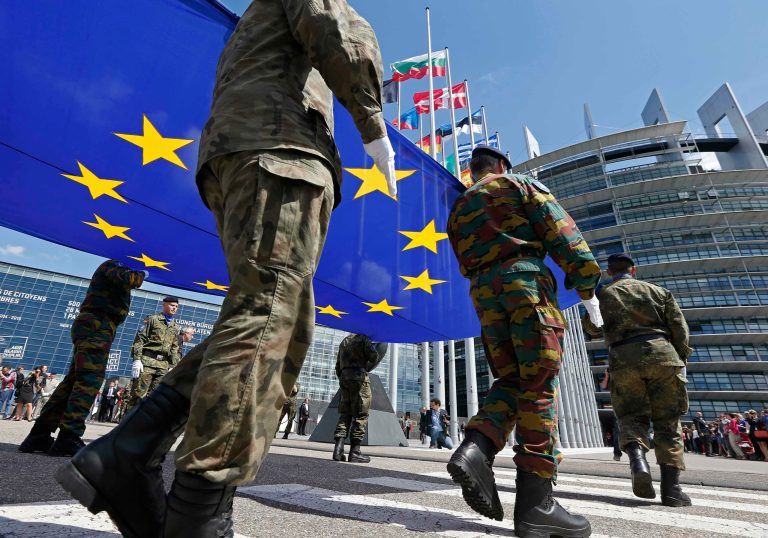
Soldiers in military uniforms carrying a large European Union flag in front of the European Parliament building with various national flags in the background.

Europe Can’t Defend Itself Without Turkey

Europe’s pursuit of strategic autonomy faces a harsh reality: its defense architecture is mathematically incomplete without Turkey. From drone supremacy to providing NATO’s deepest missile warning via Kürecik, Ankara offers the scale and industrial speed that the EU currently lacks. As Turkey prepares to command NATO’s Allied Reaction Force in 2028, Brussels must bridge political friction with strategic necessity to ensure a credible defense against regional threats.

Read More »

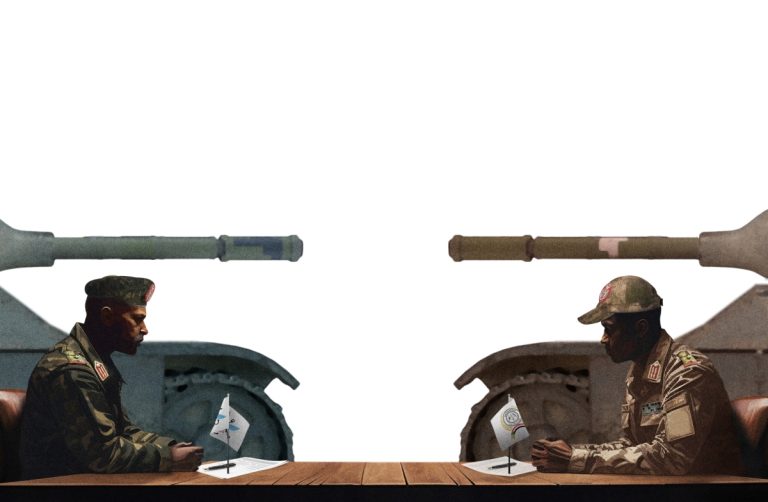
A War Both Sides Expected to Win Quickly, Neither Did

The conflict, now entering its sixth week, has evolved into a “Cost-Asymmetry Trap” that neither Washington nor Tehran originally envisioned. The war has reached a critical “Ultimatum Hour” that could determine if the region faces total systemic collapse or a forced diplomatic off-ramp.

Read More »
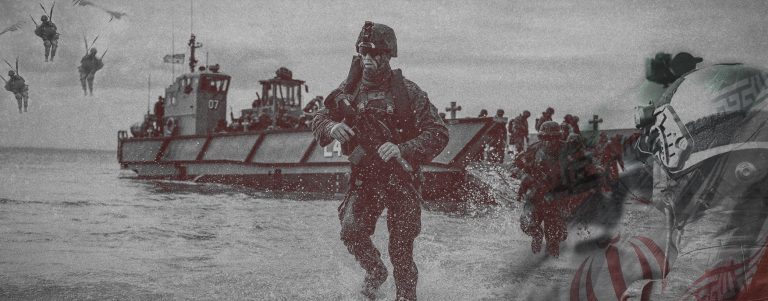
Soldiers in military gear during a coastal landing operation with a transport vessel.

Iran’s Special Forces: A Decentralized Defense Strategy

The Iranian military response to Operation Epic Fury has confirmed what many analysts suspected: the “Mosaic Defense” doctrine is not just a theoretical framework, but a functional, decentralized reality. While Western intelligence spent decades focused on the Quds Force, the first month of the 2026 war has demonstrated that Iran’s true resilience lies in its provincial special forces and maritime commandos.

Read More »
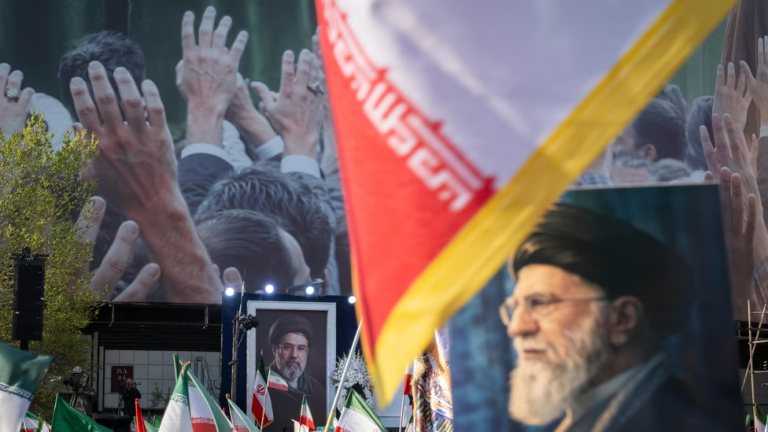
Large outdoor gathering in Iran featuring portraits of Ayatollah Khamenei and Ebrahim Raisi with national flags and a crowd background.

Why the Islamic Republic Won’t Surrender and Can’t Be Made To

Iran’s regime, built for crisis and sustained by the IRGC’s deep entrenchment, can absorb U.S. and Israeli strikes without collapsing; external pressure only hardens its resolve, ensuring the conflict shifts into prolonged asymmetric retaliation rather than surrender, leaving Washington facing an adversary it cannot defeat or coerce into ending the war.

Read More »