The ongoing tripartite confrontation involving Washington, Tel Aviv, and Tehran represents far more than another cyclical military escalation. It acts as a severe stress test that strips away long-held regional illusions, proving that foreign security umbrellas no longer guarantee stability. Arab capitals find themselves standing at a critical juncture where outdated defense doctrines must give way to self-reliance. Maintaining the status quo simply invites further fragmentation by competing external powers.
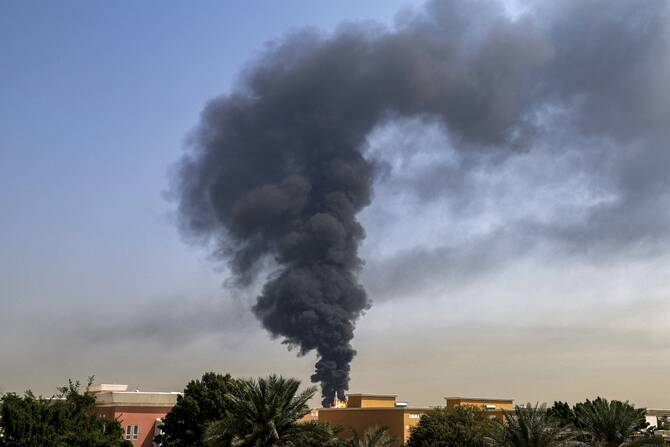
For decades, Israeli leadership cultivated an aura of absolute military supremacy to discourage direct challenges. However, the geographic realities of prolonged, multi-front combat have exposed the structural limits of this strategy. Prime Minister Benjamin Netanyahu continues to rely on a doctrine of perpetual emergency to ensure his political survival, which severely strains the nation. Recent financial assessments indicate that active hostilities inflict a massive economic toll, approaching $3 billion weekly due to disrupted labor markets and constant troop deployments. Attempting to achieve lasting security through continuous aggression only accelerates domestic exhaustion.
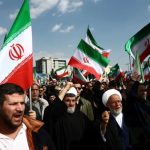
Simultaneously, the Islamic Republic’s reliance on asymmetric warfare has reached a point of diminishing returns. By funding and directing various armed factions, Tehran successfully projected power without committing to conventional battles. Yet, recent intelligence highlights severe network vulnerabilities within these proxy groups across Lebanon, Syria, and Iraq. While tactically disruptive, this decentralized strategy hollows out state institutions and transforms fragile nations into permanent battlegrounds. Ultimately, both Israeli militarism and Iranian proxy operations converge in their shared ability to destroy Arab sovereignty.
Building an Independent Regional Shield
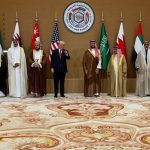
With traditional deterrence models failing, the immediate priority for the Arab world is abandoning its dependence on Western intervention. The glaring absence of an integrated military alliance leaves dangerous strategic vacuums that opportunistic actors consistently exploit. Regional leaders must institutionalize their military cooperation far beyond symbolic summits to establish true self-reliance. Developing a modern, all-encompassing defense pact—perhaps expanding upon the foundations of the Peninsula Shield Force created by the Gulf Cooperation Council—could drastically alter the balance of power. A credible, unified Arab command structure would create a formidable deterrent against both state and non-state aggression.
True security in the modern era requires significantly more than heavily fortified borders and coordinated infantry movements. Arab governments must adopt a holistic defense doctrine that secures digital networks, energy grids, and economic supply chains. The rapid escalation of cyber warfare throughout the latest conflict demonstrates how easily state-sponsored hackers can cripple critical infrastructure. A joint defense architecture must integrate intelligence sharing and technological resilience to protect against these invisible, paralyzing attacks.
The post-war reality demands immediate strategic adaptation from every capital involved. If political leaders continue treating diplomacy as a sign of weakness, the cycle of devastation currently leveling Gaza and triggering economic collapse across Lebanon will inevitably spread. Arab nations can no longer afford to react passively to crises engineered by rival powers. By forging a cohesive, self-sustaining security alliance, the region can finally reclaim its sovereignty and dictate its own peaceful future.
Original analysis inspired by Hani Hazaimeh from Arab News. Additional research and verification conducted through multiple sources.