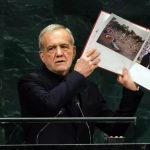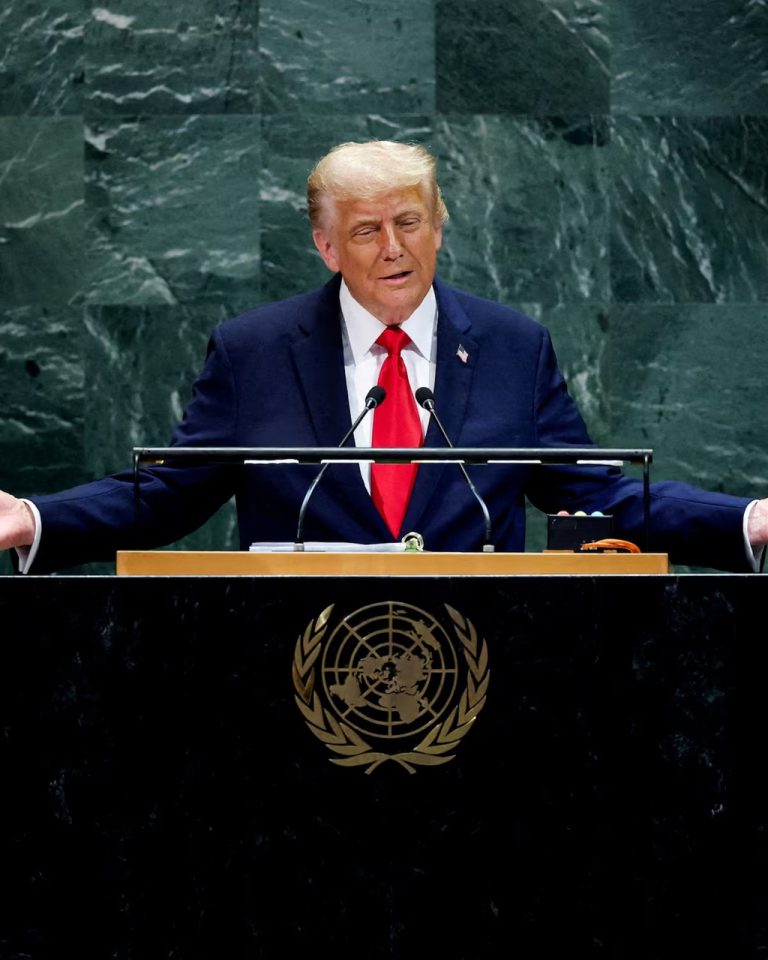
As global leaders recently convened for the 81st United Nations General Assembly, the sprawling event showcased a highly transactional approach to American foreign policy that has come to define the current administration. Away from the usual bureaucratic friction and institutional inertia of Washington, President Donald Trump employed a distinct diplomatic strategy that fundamentally relies on rapidly alternating between maximalist public pressure and highly guarded, direct private negotiation. Foreign policy observers and international relations experts have analyzed that this unorthodox method purposefully aims to establish immediate, overwhelming leverage before initiating any formal dialogue. It is a stark departure from the multilateral consensus-building typically favored in the halls of the UN, opting instead for a bilateral, deal-centric worldview where every international relationship is treated as a negotiable contract.
The administration’s highly publicized handling of the Iranian conflict vividly illustrates this dynamic in real-time. During his formal address to the assembly, the president boldly boasted of his uncompromising stance, as he publicly threatened Tehran with severe, regime-altering economic and military consequences if it refused to immediately alter its current geopolitical course in the Middle East. Yet, within mere hours of these combative remarks echoing through the General Assembly hall, American envoys Jared Kushner and Steve Witkoff secretly mediated hours of intense, indirect backchannel discussions with Iranian representatives. This strategy prioritizes immediate, tangible outcomes and direct access to top-tier decision-makers over traditional, slow-moving diplomatic protocols. By projecting overwhelming strength publicly while offering a pragmatic economic off-ramp privately, the administration attempts to force rapid concessions without locking itself into an inescapable escalation spiral.
Similar heavy-handed yet calculated tactics were applied across a spectrum of other international crises currently destabilizing the global landscape. While directly engaging with Ukrainian President Volodymyr Zelensky and French President Emmanuel Macron, high-stakes discussions heavily focused on resolving the ongoing, brutal war in Eastern Europe without entirely compromising broader transatlantic security architecture. The goal remains forcing a negotiated settlement through immense leverage and the implicit threat of withdrawing American support. Conversely, employing a far more blunt instrument of sovereign power, the administration intentionally blocked Sudanese General Abdel Fattah al-Burhan from physically attending the UN summit by outright denying his diplomatic visa. This unprecedented restriction was aggressively utilized as direct, coercive leverage to demand an immediate ceasefire in Sudan’s devastating civil war and to harshly penalize the Sudanese military’s growing, illicit logistical ties with the Iranian government. By weaponizing host-country privileges, the White House demonstrated its willingness to bypass diplomatic norms to achieve its geopolitical objectives.
The sprawling diplomatic theater notably extended well beyond the United Nations headquarters in New York when Chinese President Xi Jinping subsequently arrived in Washington for parallel, high-stakes bilateral talks. Managing the notoriously complex relationship with Beijing inherently requires a delicate, high-wire balance, as the United States attempts to aggressively compete on global trade and next-generation technology without accidentally weakening its robust military deterrence in the Indo-Pacific. During these critical discussions, both leaders subtly warned against falling into a catastrophic Thucydides trap, even as they clashed over tariffs, semiconductor exports, and regional security. The administration has relentlessly renegotiated bilateral trade terms globally, leveraging the sheer size of the American market to force structural economic concessions from Beijing, framing every diplomatic exchange as a strict ledger of tangible wins and losses.
Ultimately, this year’s pivotal gathering conclusively demonstrated how the current administration effectively wields its vast international influence in an increasingly multipolar world. By unilaterally deciding which doors to seamlessly open for backchannel deals and which doors to aggressively close through visa denials and tariff threats, the White House continues to rely heavily on pressure-driven, transactional negotiations to forcibly shape the global order. Critics frequently argue this erratic approach erodes long-term institutional trust and alienates historic allies who prefer steady predictability. Proponents, however, counter that this calculated unpredictability is precisely what compels stubborn adversaries to the negotiating table. Whether this distinct brand of statecraft will yield durable peace or merely pause underlying conflicts remains the central question of modern American diplomacy, but its immediate disruptive impact on the global stage is entirely undeniable.
By ThinkTanksMonitor Editorial