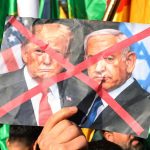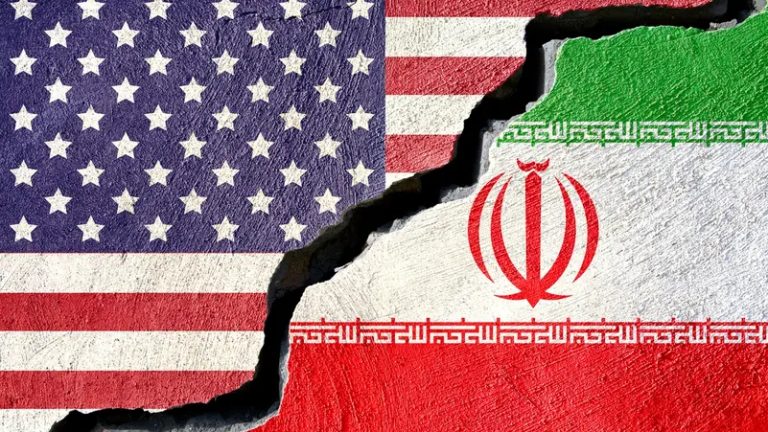
Diplomats and warships are moving in the same direction. As Washington and Tehran prepare for a third round of indirect nuclear negotiations in Geneva on February 27, both sides are sending contradictory signals — talking peace while preparing for war. The talks are set to proceed despite a US military buildup and renewed protests in Tehran, and the outcome of this round could determine whether the region tips toward a deal or a conflict on a scale not seen since the 2003 invasion of Iraq.
The rhythm of the past three weeks tells the story. The first round of talks concluded in Muscat, Oman, on February 6 — the first negotiations since US strikes on Iranian nuclear sites during a 12-day war with Israel last June. Both sides called that exchange a “good start” but little more. The second round in Geneva on February 17 “made progress,” a US official told Axios, with the Iranians offering to return within two weeks with detailed proposals “to address some of the open gaps”. Now, a third round is confirmed for February 26 in Geneva.+1
Two Tracks, One Collision Course
What makes these negotiations so volatile is the deliberate overlap of force and diplomacy. The US military is stationing a vast array of forces in the Middle East, including two aircraft carriers, fighter jets and refueling tankers. Open-source intelligence analysts estimate over 120 aircraft have deployed to the region in recent days — the largest surge in US airpower in the Middle East since the 2003 Iraq war. Officials signaled in a White House Situation Room meeting that all forces required for possible action would be in place by mid-March.+1
Trump has been explicit about his impatience. “We’re either going to get a deal, or it’s going to be unfortunate for them,” he said aboard Air Force One, giving Iran a deadline of 10 to 15 days. His special envoy Steve Witkoff went further, telling Fox News that the president was curious as to why Tehran hasn’t “capitulated”.
The Iranian side has matched this escalation word for word. Ayatollah Khamenei posted on X that while “a warship is a dangerous piece of military hardware,” what is “more dangerous” is “the weapon that can send that warship to the bottom of the sea”. On the same day as the Geneva talks, IRGC navy chief Alireza Tangsiri told state television from the deck of a warship that his forces were ready to close the Strait of Hormuz, and the IRGC said the strait was shut for several hours during naval exercises.+1
This kind of parallel signaling serves a purpose for both sides. For Washington, the military buildup raises the cost of stalling. For Tehran, threatening to choke a waterway that carries roughly 20 percent of global oil supply is a reminder that any strike will carry an economic price tag far beyond the Middle East. Brent crude rallied to a six-month high of $71 last week as Iran-related supply fears drove up risk premium.
The Enrichment Gap
At the heart of the deadlock sits a single word: enrichment. The US and Israel want Iran to cease all enrichment activity and dismantle its plants. Iran insists on retaining some fuel-making capacity for peaceful purposes. Foreign Minister Araghchi pushed back swiftly on Witkoff’s “capitulation” remarks, writing on X: “Curious to know why we do not capitulate? Because we are Iranian.” He described the nuclear programme as a matter of national “dignity and pride”.
Iran’s Foreign Minister told CBS that his US counterparts had not actually demanded zero enrichment during the latest session — a claim that contradicts Washington’s public position. He said Iran was preparing a draft proposal that could “accommodate both sides’ concerns” and suggested any eventual agreement could exceed the terms of the 2015 JCPOA.
The Foundation for Defense of Democracies offered a bleaker reading. It argued that Khamenei’s “resolute adherence to both his revolutionary ideology and political red lines is likely a more accurate barometer to judge the status of the talks than the cautious optimism Iranian diplomats are proffering”. The think tank suggested Iran “may still be negotiating, but only as a tactic to buy time for a regime that is close to collapse”.
Others see an opening. Ali Vaez of the Crisis Group told Al Jazeera there is space for agreement on the nuclear front “simply because Iran’s nuclear programme has been degraded on the ground”. After US and Israeli strikes destroyed key facilities at Natanz, Fordow, and Isfahan last June, Iran’s bargaining position has weakened — even as its rhetoric has sharpened.
Oman’s mediator, Foreign Minister Badr al-Busaidi, struck a measured tone. He expressed his satisfaction at confirming the Geneva session “with a positive push to go the extra mile towards finalising the deal”. But the gap between “guiding principles” and a signed agreement remains vast.
The next forty-eight hours carry real weight. If Iran presents a written technical proposal that addresses enrichment limits and expands IAEA verification, a pathway to an interim arrangement could emerge — sanctions relief in phases for verifiable nuclear restrictions. If the draft falls short of what Washington considers serious, Trump has made clear he has options beyond the negotiating table. Those range from limited strikes on nuclear and missile sites to an all-out campaign aimed at toppling the regime — or, as one official noted, he could do nothing at all. In Geneva this week, the distance between those outcomes may be measured in sentences on a page.
Original analysis inspired by Hassan Al Mustafa from Asharq Al-Awsat. Additional research and verification conducted through multiple sources.