
Washington Expands Financial Warfare Against Tehran
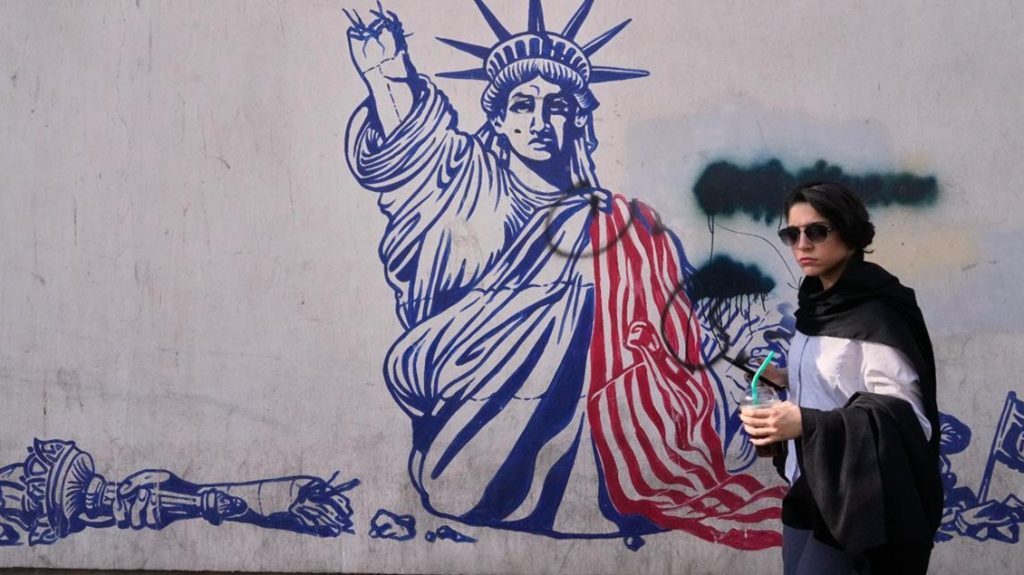
The U.S. has expanded its economic confrontation with Iran, leveraging secondary penalties to target global financial channels and energy trade. As Washington attempts to isolate Tehran, major trade partners offer resistance, highlighting growing risks to global market stability and energy prices.
Transatlantic Shifts Redefine European Politics
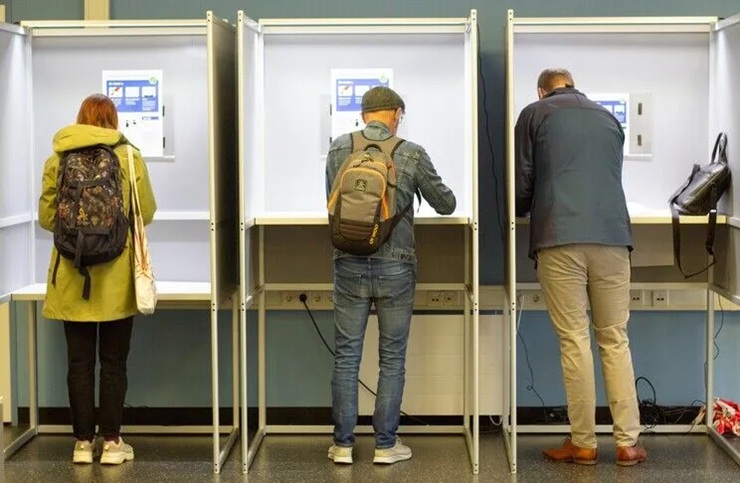
A growing convergence between U.S. conservatives and European nationalist movements is reshaping international diplomacy. By bypassing traditional state protocols to embrace shared cultural narratives, these political factions are building a unified transatlantic network that challenges liberal governance models and legacy global alliances.
South Korea Weighs Nuclear Options Amid Diminishing American Support
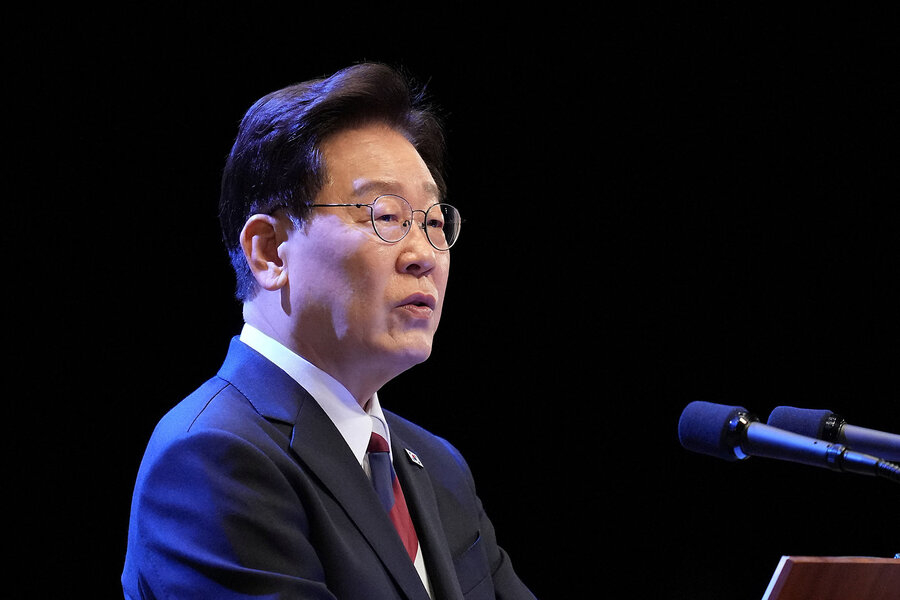
As Washington curtails its involvement in vital joint military exercises, South Korea faces growing pressure to bolster its own defense. Rising public support and strategic shifts under President Lee Jae Myung are prompting policymakers in Seoul to reconsider reliance on foreign military protection.
Israel and Turkey Compete for Syrian Airspace Dominance
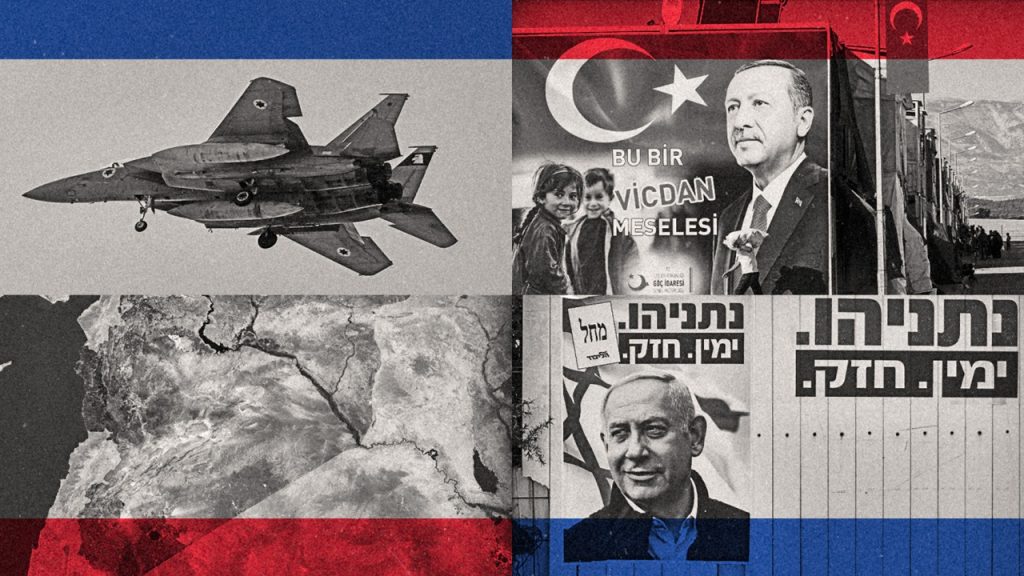
The collapse of the Syrian regime has triggered an intense proxy battle for aerial dominance across the Levant. As Israel conducts preemptive strikes and Turkey moves to expand its military footprint, Damascus remains helpless, leaving the region’s skies an unregulated arena for foreign confrontation.
Geopolitical Shifts Redefine Global Alliances

Diplomatic priorities are rapidly changing worldwide. Recent leadership transitions across Latin America and Europe reveal how national governments are leveraging foreign policy shifts—from energy exports to territorial stances—to align with broader political paradigms.