Category: Multimedia

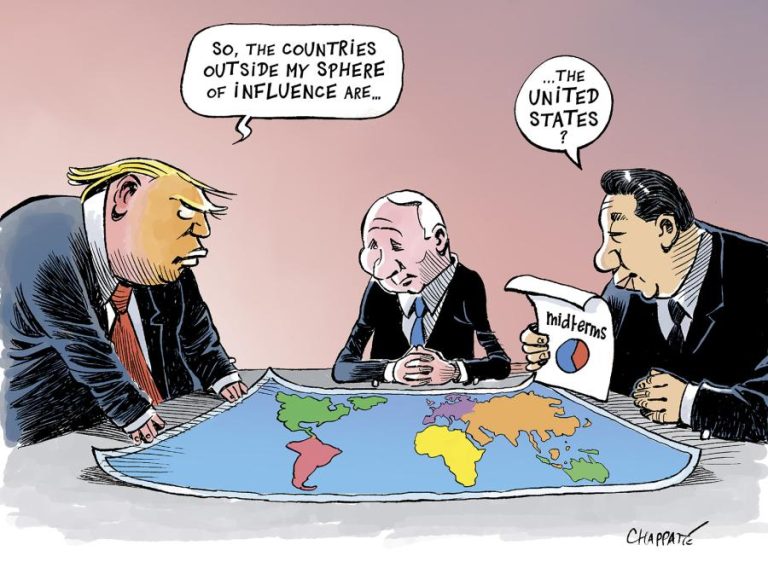
When Trump, Putin and Xi meet

Analysis: Published in Le Temps on the day of the Shenzhen trilateral, this cartoon (viewable at the source link) situates the meeting between Donald Trump, Vladimir Putin, and Xi Jinping at the intersection of U.S. post-midterm domestic constraints, ongoing war negotiations, and shifting global power dynamics. Categorized across Chappatte’s Trump II, Putin’s War, and China in Cartoons series, the piece reflects European concern over how great-power bargaining among Washington, Moscow, and Beijing could reshape international peace and security architecture without European participation. It matters as a sharp Swiss editorial lens on the strategic risks of transactional multipolar diplomacy.
Read More »

Digital Resilience in a Post-Mythos World: A Conversation with Greg Rattray

Analysis: Examining a wave of major outages across Microsoft, the FAA, and U.S. financial and intelligence systems, Rattray explains how the “post-Mythos” AI landscape has tilted the offense-defense balance by accelerating vulnerability discovery faster than defenders can safely patch. The discussion connects these systemic vulnerabilities to geopolitical competition, weighing whether recent disruptions represent patch-induced instability or Chinese cyber reconnaissance ahead of a potential Taiwan contingency, alongside Iranian targeting of Western water and medical refrigeration systems. It matters because shifting from pure prevention to operational digital resilience is now a core requirement of national security.

Read More »

November 18, 2026 | Israel Insider with Ashley Perry

Analysis: This briefing dissects the acute internal crisis in Israeli politics as Gadi Eisenkot’s Change and Reform bloc weighs four fragile coalition pathways—including Haredi outreach by Avigdor Lieberman and a potential 24-hour minority emergency government—following the replacement of the Knesset speaker. Perry highlights the sharp strategic rift between caretaker Prime Minister Benjamin Netanyahu’s insistence on an immediate strike on Iran and opposition fears that military escalation is being leveraged to force a unity government. The analysis underscores how Israel’s domestic paralysis directly intersects with U.S. decision-making under Donald Trump regarding regional war risk.

Read More »

Stephanomics: Is China Winning the AI Race That Matters?

Analysis: Speaking with Bloomberg’s Stephanie Flanders, Remler argues that while the United States retains a lead at the frontier of artificial intelligence, Beijing is gaining decisive geopolitical leverage by exporting cheaper, accessible AI models to emerging economies. Positioning itself as a champion for nations excluded by Western export restrictions, China is building durable technological influence and digital dependencies across the Global South. This matters because long-term AI leadership may hinge less on who builds the single most powerful model and more on which ecosystem sets global adoption standards.

Read More »

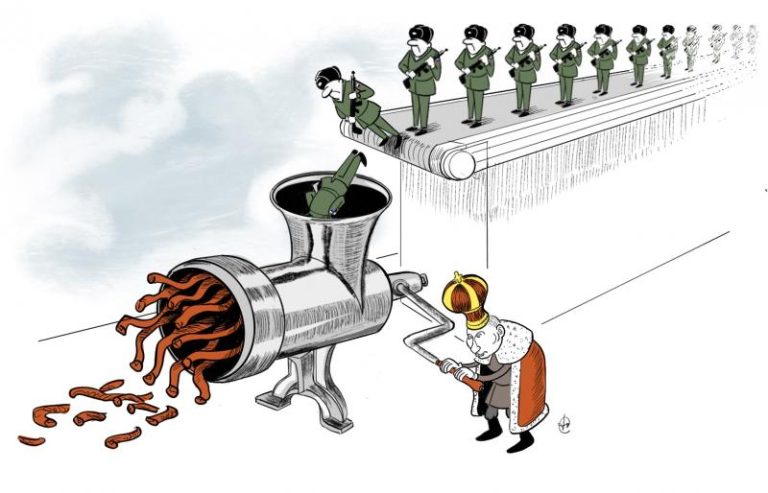
Beef Putin

Analysis: Visually, the cartoon portrays Vladimir Putin dressed in emperor’s clothing while feeding his own soldiers into an oversized meat grinder, underscored by the caption noting over 400,000 Russian military fatalities in Ukraine. By fusing imperial imagery with industrial slaughter, Tobler critiques the Kremlin’s willingness to absorb catastrophic human losses to sustain attrition warfare. It matters because mounting demographic and military strain shapes Moscow’s negotiating leverage ahead of great-power talks in Shenzhen and highlights the internal costs of Russia’s prolonged campaign.

Read More »

ILTV On The Hour – November 17, 2026 | Are Israel’s Enemies Exploiting Its Internal Divisions?

Analysis: This interview exposes the sharp political fracture inside Israel as Gadi Eisenkot’s opposition bloc struggles to replace the Knesset speaker and form a government reliant on Arab or ultra-Orthodox parties. Simultaneously, the discussion highlights Israeli anxiety that a Trump-Xi-Putin summit in Shenzhen could sideline Tel Aviv’s demand for regime change in Tehran in favor of great-power de-escalation. It matters because domestic political paralysis constrains Israel’s military freedom of action while exposing diverging US and Israeli strategic timelines on Iran.

Read More »

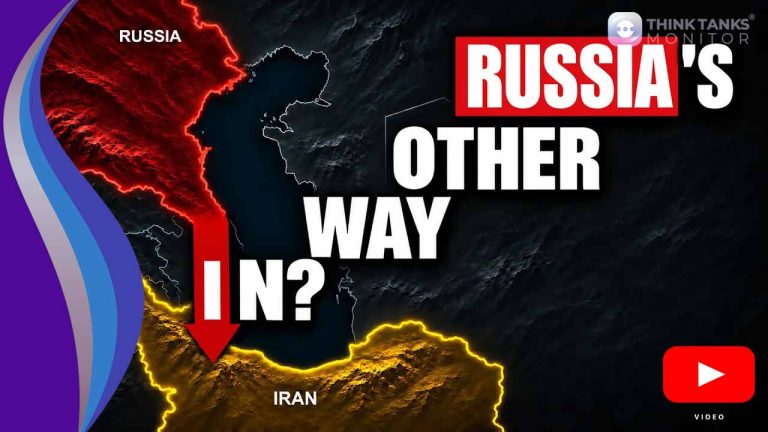
Russia Warned the US Off the Caspian. Here’s the Missing 100 Miles.

Analysis: Using satellite imagery and shipping data, this analysis traces how Moscow and Tehran are operationalizing the North-South Transport Corridor in response to CENTCOM’s Task Force Iron Gate. The missing 162-kilometer Astara-Rasht rail link and transponder-dark Caspian freighters reveal a deliberate strategy to insulate Russia-Iran military and energy logistics from maritime chokepoints. It matters because overland Eurasian connectivity structurally weakens US naval blockade leverage and deepens Eastern Bloc supply-chain resilience.

Read More »

The Impossible State Live Podcast: The New Yalta? Trump-Xi-Putin Summit

Analysis: This CSIS briefing evaluates whether a historic trilateral meeting on the sidelines of the Shenzhen APEC summit signals a “New Yalta” moment in great-power politics. By analyzing what Moscow, Beijing, and Washington each seek—from Ukraine and sanctions relief to managing Pyongyang—the discussion highlights how Russia and China are leveraging coordination with North Korea and Iran. It matters because direct three-way bargaining underscores the erosion of unilateral US agenda-setting and the formalization of multipolar spheres of influence.

Read More »

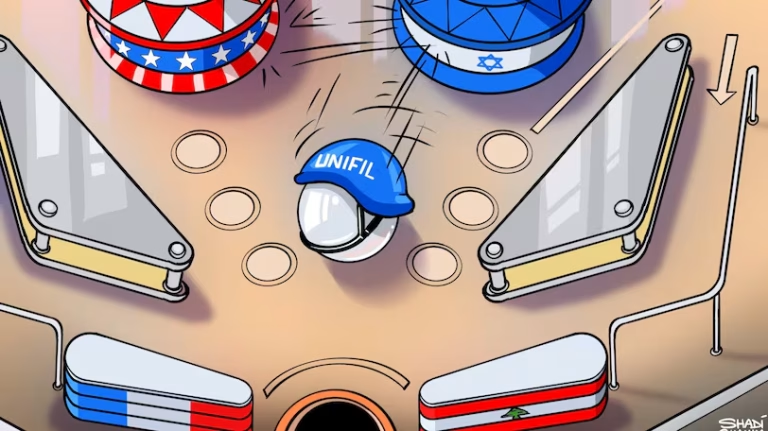
Shadi’s take on the uncertain future of UN peacekeepers in Lebanon

Analysis: Published by The National on November 17, 2026, Shadi Ghanim’s cartoon visually frames the endangered mandate of UNIFIL peacekeepers caught between Israel’s refusal to accept international monitoring, Hezbollah’s border presence, and diplomatic efforts led by France and Lebanon (note: exact graphical details are not rendered in text-only retrieval). The cartoon accompanies Israeli UN envoy Danny Danon’s declaration that Israel trusts only its own soldiers ahead of UNIFIL’s scheduled December 31, 2026 expiration, following the Security Council’s August 2025 termination vote. It highlights how the collapse of multilateral peacekeeping mechanisms risks leaving a dangerous security vacuum along the Israel-Lebanon frontier.

Read More »

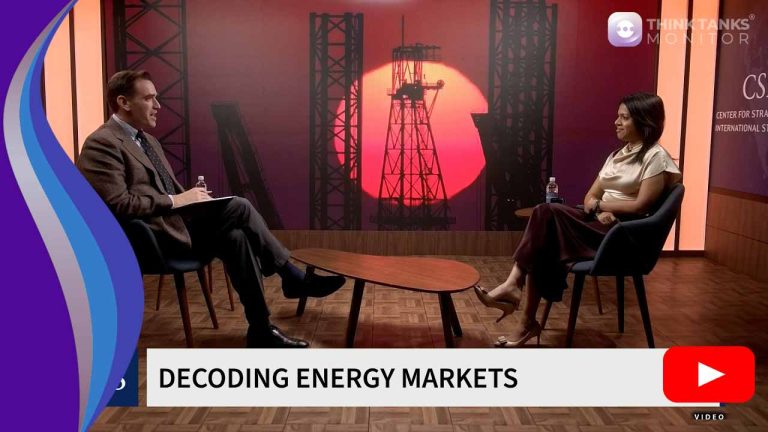
Decoding Energy Markets: A Conversation with Amrita Sen

Analysis: Hosted by CSIS on November 16, 2026, this 43-minute briefing exposes the stark disconnect between headline crude futures and physical refined product markets, where Strait of Hormuz ship-to-ship transfer caps and refinery damage have driven diesel toward $200 a barrel. Sen argues that algorithmic headline-trading is eroding price discovery while the prolonged Middle East stalemate accelerates structural demand shifts, particularly China’s rapid EV adoption and massive strategic tank expansion. For global energy security, the crisis signals a durable fragmentation of supply chains and growing non-Western leverage over market balancing.

Read More »

“Peace Disease: Is the PLA Battle Ready?”: Audio Brief with Seth Jones

Analysis: Drawing on joint research with Eric D. Heginbotham and Daniel Byman, this CSIS audio brief probes whether decades without major combat have left the People’s Liberation Army afflicted by “peace disease.” It examines structural command bottlenecks, operational readiness gaps, and political-military friction beneath Beijing’s rapid hardware modernization. Understanding these internal constraints is vital for gauging deterrence stability in the Indo-Pacific and assessing how Eastern Bloc military capabilities perform under real crisis pressure.

Read More »

Shadi’s take on attempts to form a new Israeli government

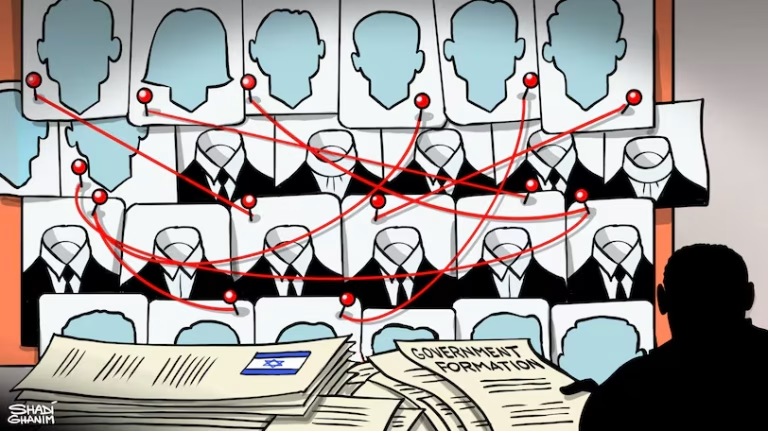
Analysis: Published in The National on November 16, 2026, this editorial cartoon by Shadi Ghanim targets the political impasse gripping Israel following the October 27 Knesset elections (the full visual panel is hosted directly at the source link). By framing the coalition-building scramble as a central spectacle of Israel’s internal crisis, the cartoon underscores how deep factional divisions between rival blocs undermine coherent national policymaking at a moment of acute regional escalation. It matters because it captures regional skepticism toward Israel’s political stability and highlights how domestic paralysis shapes Tel Aviv’s strategic posture.

Read More »