Category: Multimedia

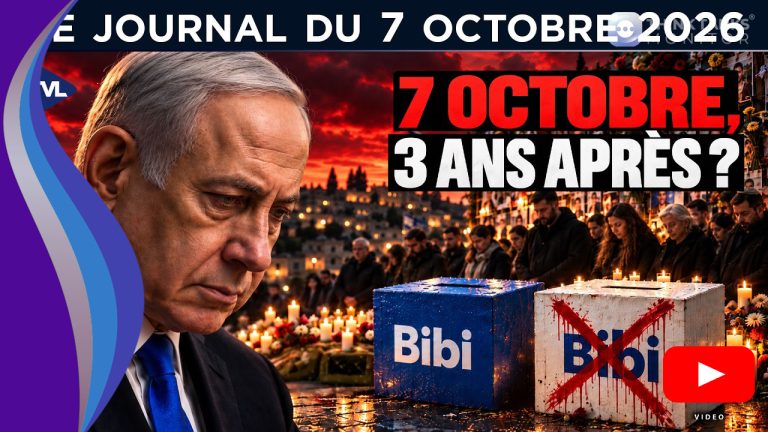
Benjamin Netanyahu looking down somberly beside two ballot boxes marked Bibi and a crowd at a candlelight vigil.

Gaza, Hamas, Netanyahu: The 3-Year Assessment After October 7

Analysis: The video breaks down the strategic impasse facing the Israeli security cabinet, contrasting maximalist stated military objectives with the reality of enduring urban insurgencies. It argues that prolonged regional conflict serves internal political survival imperatives while exacerbating draft controversies, economic strain, and civil-military frictions inside Israeli society. Globally, this trajectory accelerates diplomatic alienation, eroding long-standing Western consensus and strengthening the narrative of systemic Israeli legal impunity.

Read More »

Five Years of Taliban Rule: What Has Afghanistan Become?

Analysis: The episode examines how the Taliban transitioned from an insurgent force to an entrenched governing authority despite persistent international isolation and severe financial sanctions. It analyzes Kabul’s growing integration into Eurasian trade and security corridors, driven by pragmatism from Beijing, Moscow, and regional Central Asian capitals. This structural shift highlights the vacuum created by Western disengagement and illustrates how regional powers prioritize border stability and resource connectivity over Western governance norms.

Read More »
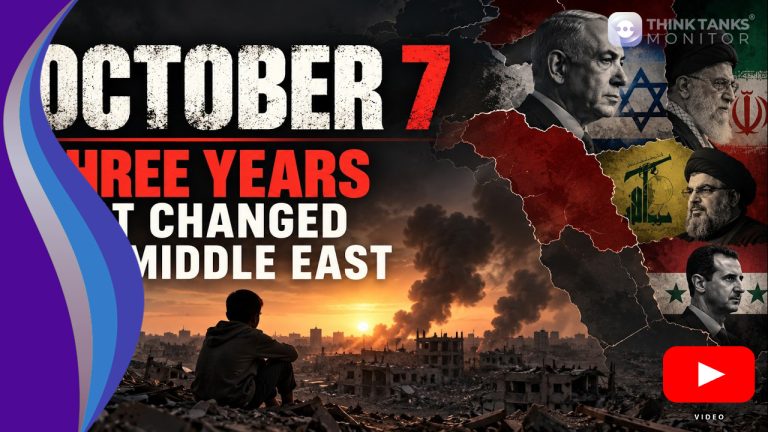
Think Tanks Monitor video banner titled October 7 Three Years That Changed the Middle East with key regional political leaders.

October 7: Three Years That Changed the Middle East

Analysis: The discussion evaluates Israel’s strategic overreach and internal political strain alongside the structural limits of American deterrence across regional theaters. It underscores how asymmetric escalation by the Axis of Resistance systematically dismantled traditional balance-of-power assumptions in the Levant. The key takeaway highlights that long-term regional realignment is shifting away from US diplomatic primacy toward an anarchic, multipolar security equilibrium.

Read More »
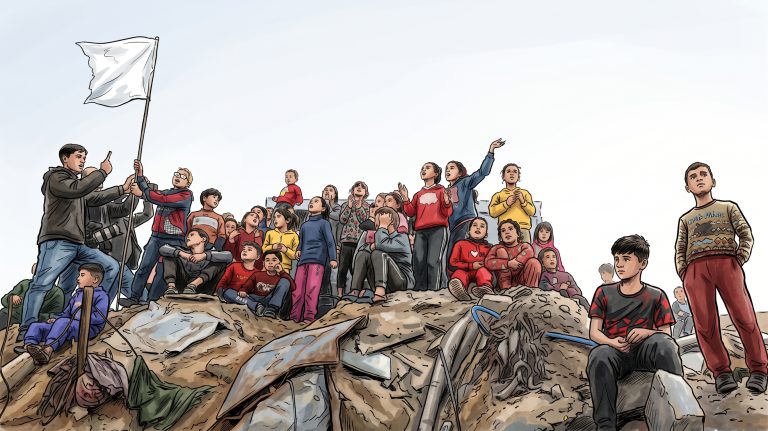
Comic-style editorial illustration of Palestinian children and families sitting atop rubble while raising a white flag.

Gaza and the choice ahead for Palestinians and Israelis

Analysis: The artwork portrays dozens of displaced Palestinian children and youths gathered atop a massive mound of concrete debris, shattered masonry, and twisted rebar, with a young man on the left hoisting a tattered white flag toward an open sky. Visually, the stark contrast between the children’s desperate upward glances and the surrounding wreckage captures the utter breakdown of civilian protections in prolonged asymmetrical urban warfare. The piece powerfully emphasizes that military attrition targets the future generation most severely, rendering humanitarian ceasefires and political resolution an urgent imperative rather than a deferred diplomatic option.

Read More »
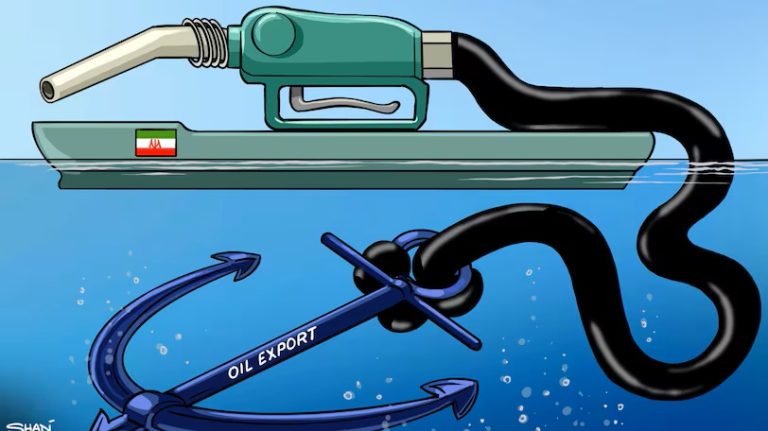
Editorial cartoon showing a ship shaped like a fuel nozzle with an Iranian flag, tied underwater to an anchor labeled Oil Export.

Shadi’s take on Iranian oil shipments

Analysis: The cartoon depicts a hulking US naval patrol boat attempting to deploy a symbolic sanctions banner across the Persian Gulf, while deeply shadowed oil tankers effortlessly maneuver around it beneath an overarching regional web. It visually encapsulates the structural failure of unilateral Western coercive economic measures in the face of decentralized supply networks. The work matters because it conveys the reality of waning Western enforcement authority alongside the normalization of alternative, non-dollar energy trade routes.

Read More »

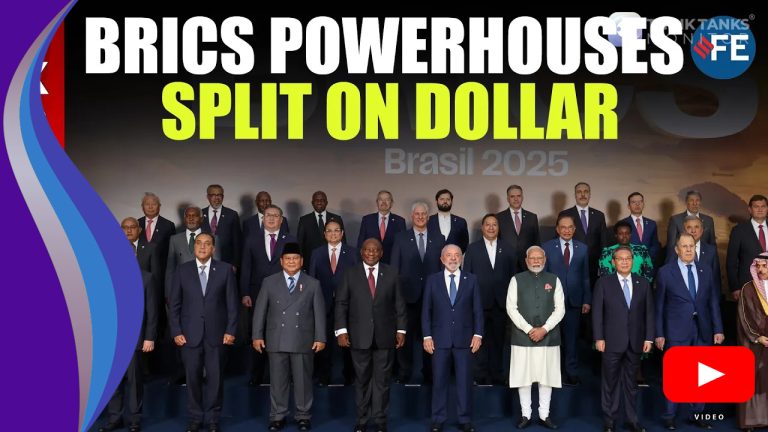
Modi, Putin, Xi Divided On De-Dollarisation? BRICS Debates The Future Of Global Currency Power

Analysis: The analysis underscores the strategic dichotomy between revisionist powers seeking an abrupt break from Western institutions and non-aligned states preferring financial hedging without total rupture. It highlights how India’s focus on local currency trade linkages contrasts with Sino-Russian pushes for unified institutional alternatives. This structural negotiation demonstrates that multipolarity is characterized by competitive internal balancing rather than a monolithic anti-Western alliance.

Read More »

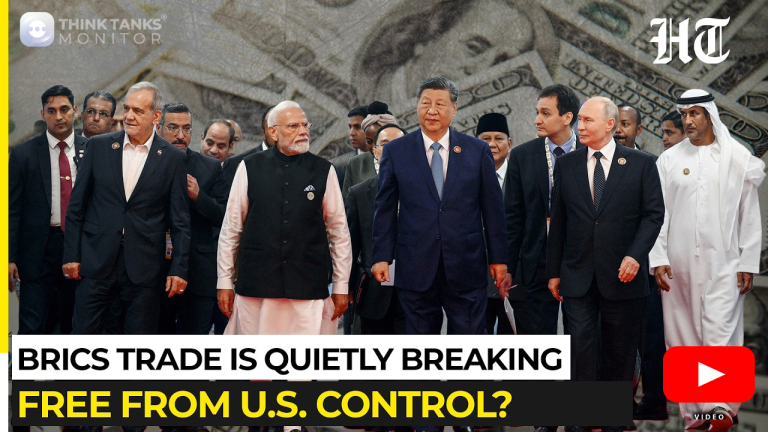
Is De-Dollarisation Here? Putin’s Top Aide Claims Russia’s 90% Of BRICS Trade Now Bypasses Dollar

Analysis: The video breaks down the practical mechanisms driving cross-border non-dollar settlements, emphasizing Russia and China’s transition toward independent financial messaging platforms. This reflects a deliberate systemic insulation strategy designed to neutralize Washington’s weaponization of the dollar clearing system. In the long term, these bilateral pathways erode Western sanctions leverage and reinforce the institutional foundation of a multipolar monetary architecture.

Read More »

Special Episode: Saudi Oil After the East-West Pipeline Attack

Analysis: The discussion highlights how non-state asymmetric warfare directly jeopardizes core energy transit routes outside the Strait of Hormuz, challenging traditional deterrence frameworks. It illustrates that Gulf states can no longer decouple their economic modernization blueprints from broader regional conflict escalation. For global energy markets, this shift signifies that systemic geopolitical premiums are now permanently priced into critical supply nodes.

Read More »

A “Forever War” in Iran? Ali Vaez on Escalating War, U.S. “Diplomatic Malpractice”

Renewed U.S. attacks under the Trump administration have killed at least 35 civilians in five days, prompting warnings from political analyst Ali Vaez that Washington is fueling potentially endless cycles of violence. Vaez notes that the U.S.’s unilateral withdrawal from a bilateral memorandum of understanding to justify military action has severely damaged diplomatic trust, emphasizing that there is no military solution and urging both nations to return to and uphold the agreement’s terms.

Read More »

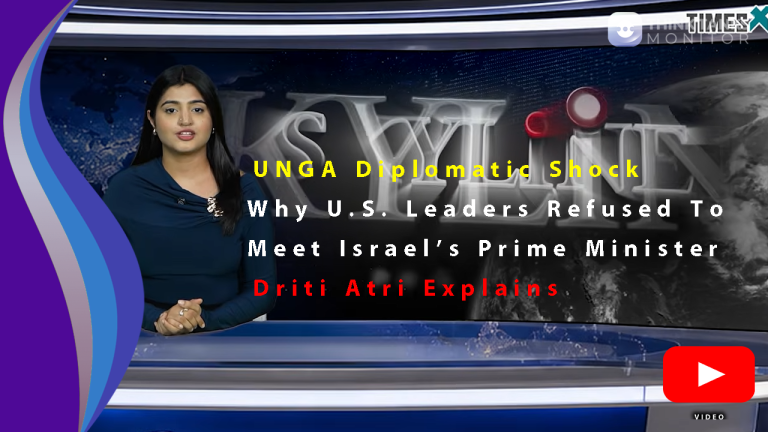
UNGA Diplomatic Shock: Why U.S. Leaders Refused To Meet Israel’s Prime Minister| Driti Atri Explains

In an unprecedented geopolitical development at the United Nations General Assembly in New York, senior US administration officials and President Trump declined to hold bilateral meetings with Israeli Prime Minister Benjamin Netanyahu. Citing scheduling conflicts and condensed itineraries, Washington’s decision coincided with a 77-nation delegation walkout during Netanyahu’s UN speech. In this TimesXP emergency report, we examine the reasons behind Washington’s cold shoulder, the domestic US political factors at play, and how Middle East diplomatic rifts impact global tech markets, energy routes, and trade corridors.

Read More »