Category: Multimedia

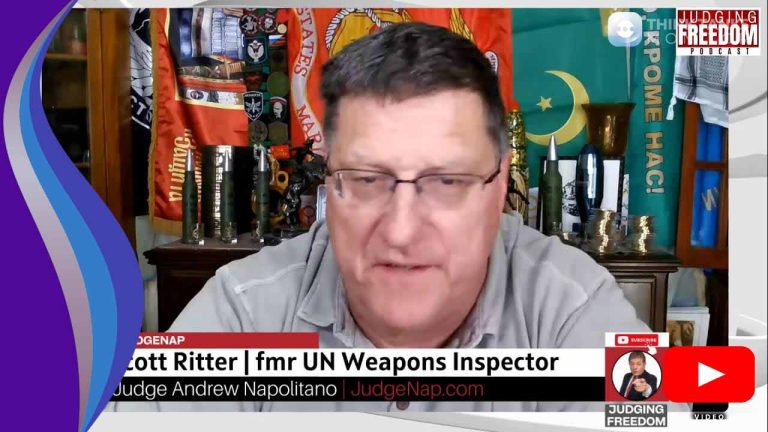
Scott Ritter : The Coming Middle East Power Vacuum

Analysis: The briefing scrutinizes the domestic political crisis paralyzing Israel’s ruling coalition following recent electoral setbacks, framing Netanyahu’s aggressive military postures as calculated attempts to preserve executive authority by perpetuating regional warfare. Strategically, the analysis demonstrates how Washington’s overextended security umbrella and failed coercive energy targeting against Iran have decisively undermined American deterrence across West Asia. This tectonic shift matters because regional powers—including Turkey, Saudi Arabia, and Pakistan—are increasingly bypassing US mediation to construct autonomous multipolar security dialogues, signaling an irreversible decline in Western dominance.

Read More »

The fight for the Red Sea, Sudan and the Nile

Analysis: Examining the converging crises in Tigray, Sudan, and the Red Sea littoral, the discussion highlights how fragmented regional governance and militarized maritime corridors are dismantling traditional diplomatic deterrence across East Africa. The underlying message underscores that unilateral infrastructure projects and external Gulf patronage—notably competing Emirati and Egyptian strategic footprints—are transforming localized frictions into an expansive transnational theater. This matters critically for international strategic planners as weaponized maritime choke points around the Bab el-Mandeb directly imperil global energy routes and maritime commerce amid a fracturing multilateral order.

Read More »

The Pentagon-Silicon Complex and the Rise of the Neo-Primes

Analysis: Hosted by Jonathan Panter with Bulletin of the Atomic Scientists editor-in-chief Sharon Weinberger, this episode examines the strategic vulnerability created when the US military depends on dual-use commercial technologies it neither owns nor fully controls (War on the Rocks). Drawing on recent Pentagon friction with SpaceX and AI developer Anthropic, the discussion demonstrates that Silicon Valley’s historical pivot away from—and recent return to—military contracting was driven by venture capital incentives rather than ideological pacifism (War on the Rocks). This shift matters because the emergence of venture-backed defense “neo-primes” is redistributing sovereign operational leverage over battlefield AI and satellite communications from state defense ministries to private corporate boards (CSIS).

Read More »

CSotD: It’s Now or Never

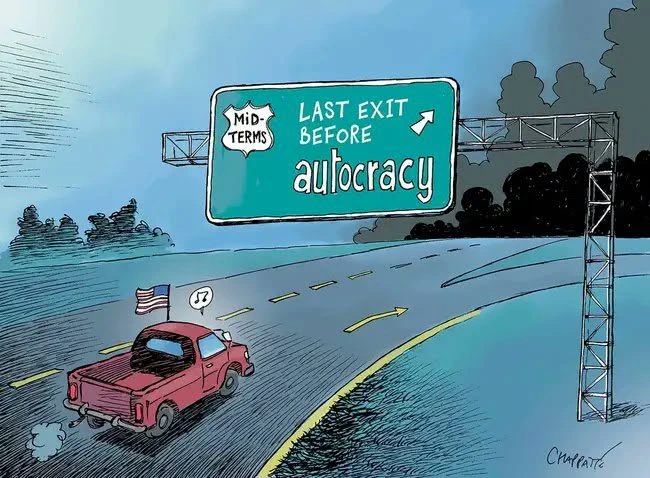
Analysis: Visually, Swiss cartoonist Patrick Chappatte (originally published in Geneva’s Le Temps) illustrates the November 3 US midterm vote as a highway sign marking the “last exit” off the road to autocracy, while Dutch cartoonist Maarten Wolterink portrays Vladimir Putin and Benjamin Netanyahu as puppet masters pulling the strings behind Donald Trump’s disruptive campaign and Michigan Democrat Haley Stevens’s sudden defection to endorse Republican Mike Rogers over Abdul El-Sayed (The Daily Cartoonist, Al Jazeera). Together, these European cartoons project a stark international consensus that American institutional credibility is fracturing under the weight of domestic authoritarianism and foreign policy polarization over Israel and Russia (The Daily Cartoonist). This visual commentary matters because declining allied confidence in US democratic stability accelerates Europe’s push for strategic autonomy and weakens Washington’s normative authority abroad (The Guardian).

Read More »

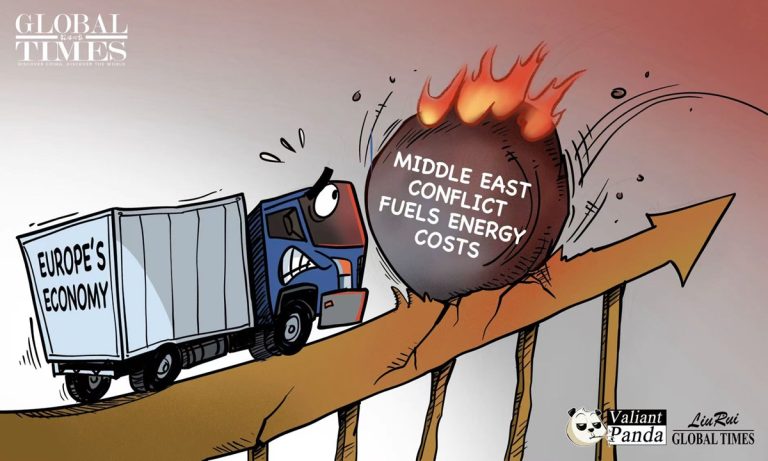
Europe’s burning burden

Analysis: Visually, political cartoonist Liu Rui depicts Europe staggering beneath a fiery, crushing weight of surging fuel and energy costs—an “energy shock” ignited by the eight-month US-Israel military campaign against Iran and ongoing disruptions in the Strait of Hormuz (Global Times, People’s Daily Online). Anchored by German Chancellor Friedrich Merz’s admission that higher energy prices from the Iran conflict have cost Europe over €100 billion in eight months (Global Times Cartoon Archive), the cartoon advances Beijing’s strategic narrative that European alignment with Washington’s military interventions is economically self-destructive. It underscores how energy insecurity and inflation are fueling widespread cost-of-living protests across Europe while deepening transatlantic rifts (People’s Daily Online).

Read More »

Brief: Will diplomacy work between US and Iran before elections?

Analysis: This briefing connects Washington’s pre-midterm diplomatic calculus in the eight-month war with Iran to Israel’s deepening internal political crisis following its deadlocked October 27 Knesset election (Al Jazeera). It highlights that Israeli forces have killed at least 1,580 Palestinians in Gaza over the 387 days since a nominal ceasefire was declared—bringing the total death toll past 74,570—while Israeli right-wing factions label historic Palestinian-Israeli voter turnout as “electoral terrorism” to block opposition leader Gadi Eisenkot from forming a government backed by Arab parties (The Take). Strategically, the episode illustrates how domestic electoral pressures in both Washington and Jerusalem are obstructing regional de-escalation and entrenching the structural marginalization of Palestinian citizens (Al Jazeera).

Read More »

Here’s Why It May Be Hard For Israeli Opposition To Form Coalition With Arab Parties: Israel Expert

Analysis: The analysis delivers a sharp strategic evaluation of why centrist factions remain fundamentally incapable of unseating the Likud-led bloc without formal reliance on Arab-majority lists. It exposes the underlying reality that institutional defense doctrines within Tel Aviv continue to subordinate democratic governance to ethno-national security imperatives, effectively granting hardline factions permanent veto power. This systemic paralysis matters globally because an unresolvable coalition deadlock precludes any negotiated de-escalation, perpetuating an open-ended posture of regional military confrontation.

Read More »

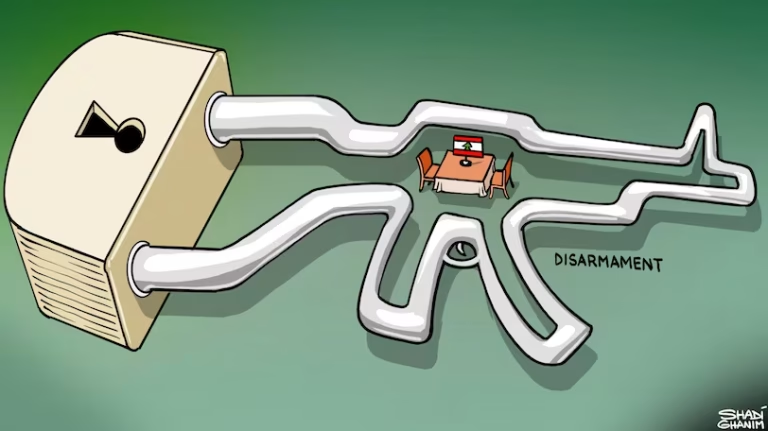
Shadi’s take on the issue of Hezbollah’s disarmament

Analysis: The illustration visually depicts the Lebanese state trapped inside a crushing mechanical vise tightened by Western and Israeli diplomatic ultimatums, juxtaposed against a fortified mountain of asymmetric weaponry refusing to yield. Ghanim’s strategic caricature cuts to the core of Western ceasefire proposals that treat non-state disarmament as an administrative precondition while disregarding the regional balance of terror and Israeli territorial violations. The cartoon underscores why coercive diplomatic mandates detached from security realities risk triggering internal Lebanese civil fragmentation rather than delivering sustainable regional stability.

Read More »

What are the implications of Israel’s elections?

Analysis: Examining the fractured outcome of the Knesset vote, this strategic discussion highlights how Benjamin Netanyahu leverages systemic parliamentary paralysis to sustain emergency wartime authorities and deflect legal accountability. The panel dissects the structural barriers preventing Zionist opposition blocs from partnering with surging Palestinian-Arab factions, entrenching permanent right-wing control over security decisions. This domestic political stalemate directly influences broader regional security by ensuring that Tel Aviv prioritizes militarized confrontation across the northern and southern fronts over diplomatic settlement.

Read More »

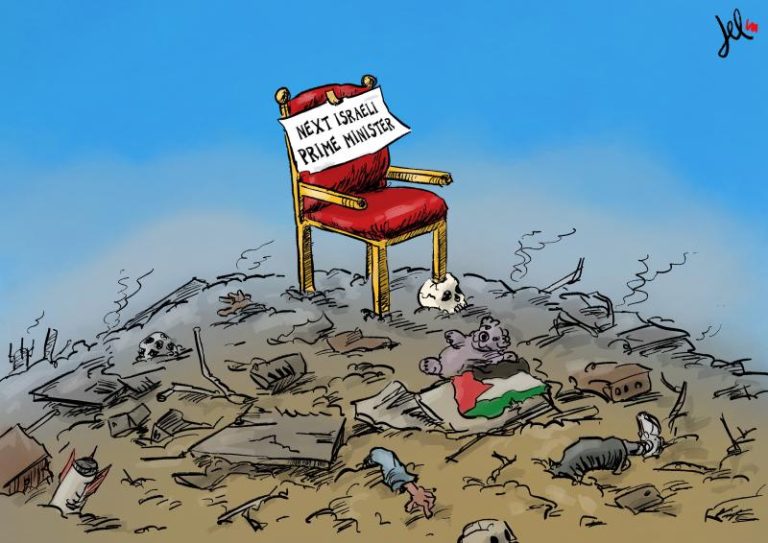
Israel elections Editorial Cartoon

The artwork visually depicts an Israeli ballot box surrounded by the shadows of wartime ruins, framing the act of voting against an ominous backdrop of prolonged warfare and acute social distress. Del Rosso exposes how perpetual external military mobilization and political survival maneuvers have exacerbated internal ideological rifts, eroding civic consensus and institutional cohesion. This visual commentary matters because it crystallizes how wartime escalation fails to paper over systemic domestic paralysis, leaving Israeli society deeply polarized over its moral and political future.

Read More »

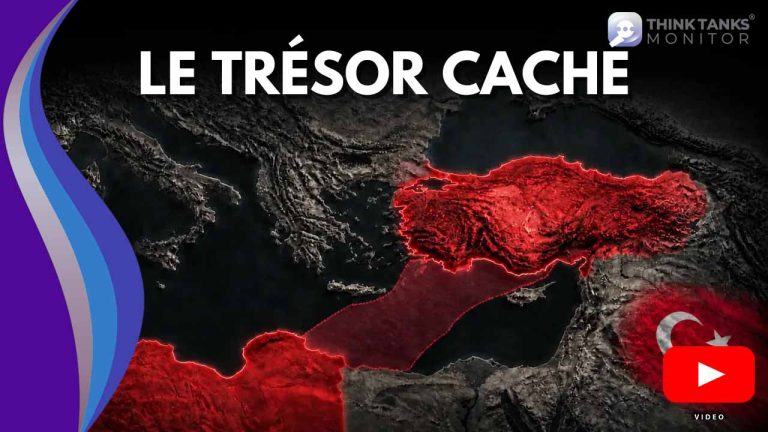
Has the gas war in the Mediterranean begun?

The briefing examines the zero-sum competition over subsea hydrocarbon deposits between Greece, Turkey, Cyprus, and North African littoral states as national energy security becomes existential. At its strategic core, the analysis illustrates how rival exclusive economic zone declarations and competing subsea pipeline alignments effectively weaponize critical energy infrastructure. These mounting friction points risk triggering maritime confrontations across vital sea lanes, confirming that resource anxieties continue to entrench hard-power geopolitical fractures along Europe’s southern perimeter.

Read More »

A Warrior’s View of Why War Fails: A Conversation With William McRaven

Examining decades of strategic overextension, McRaven dissects the recurring illusion that overwhelming military firepower can substitute for coherent political end-states in conflicts from the Middle East to Eastern Europe. The underlying critique highlights a compounding erosion of American global hegemony, wherein coercive force fails to secure lasting stability while straining military-civil relations at home. For strategic planners, this tactical obsession without diplomatic vision accelerates multipolar hedging, demonstrating how unilateral interventionism hastens the strategic exhaustion of the hegemon.

Read More »