
British Trade Ban on Settlements Sparks Institutional Resistance
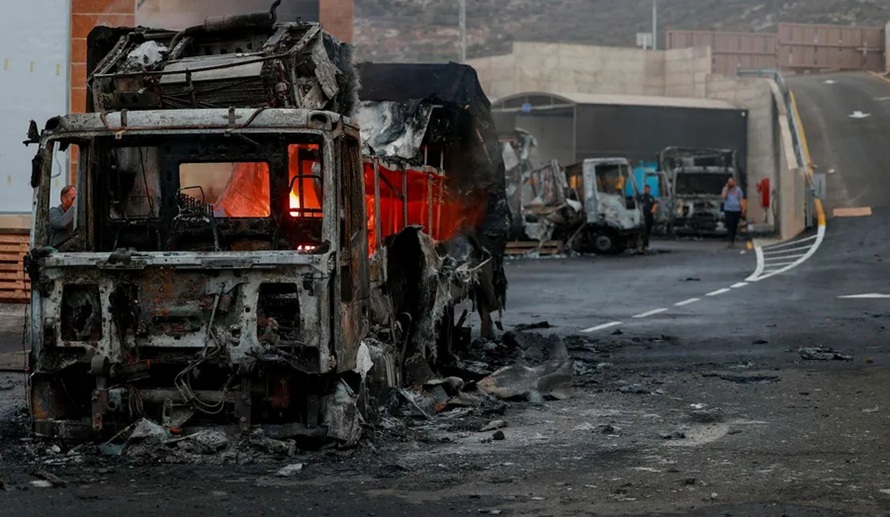
As the UK government prepares to prohibit economic transactions involving unauthorized West Bank settlements, establishment lobbying groups and religious leaders are mounting strong opposition. The debate highlights growing tensions between international legal obligations to end financial support for illegal occupation and traditional diplomatic approaches to regional stability.
Halting British Trade With Illegal Settlements Demands Urgent Action

Pressure is mounting on the UK government to formally prohibit imports from unauthorized West Bank settlements in accordance with international legal standards. By targeting goods produced in occupied territories, British authorities can address ongoing displacement, halt financial complicity in illegal expansionism, and demonstrate a concrete commitment to international justice.
Pentagon Leadership Feuds Threaten American Defense

Escalating friction between civilian leaders and uniformed officers at the Pentagon is creating severe disruptions across the US defense establishment. Sudden purges of seasoned commanders, stalled modernization programs, and extended overseas deployments highlight a dangerous shift where political compliance risks compromising constitutional norms and national security readiness.
Settler Expansion Drives West Bank Annexation
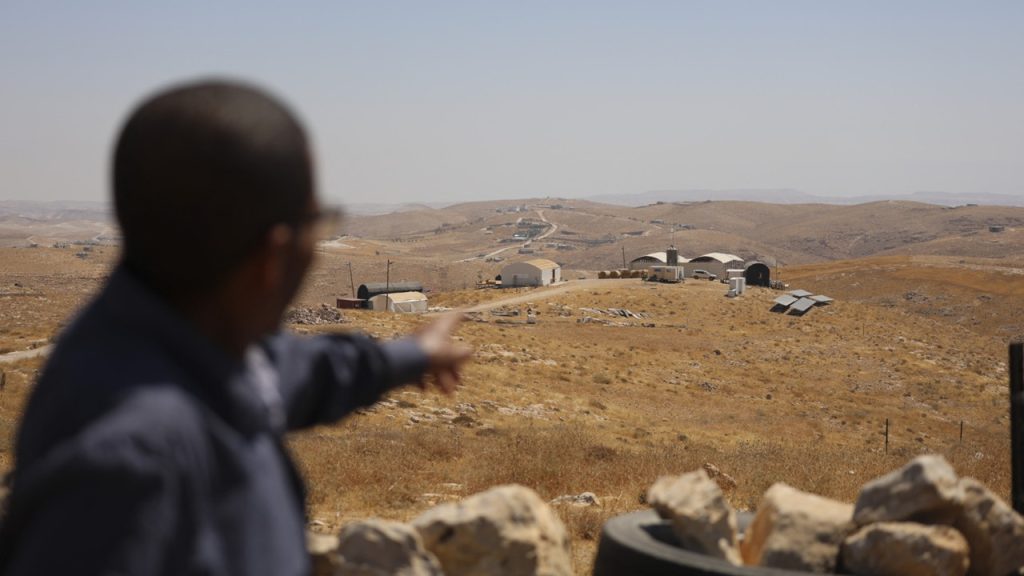
A combined strategy of settler encroachment, judicial impunity, and bureaucratic land confiscation is quietly altering the demographic and territorial reality of the occupied West Bank. As outposts receive permanent infrastructure and state backing, local communities are displaced, systematically dismantling the physical prospects for Palestinian sovereignty.
Repricing the American Alliance in Asia Shakes Global Security

Washington’s decision to curtail joint military exercises with Seoul highlights a growing transactional approach to traditional alliance guarantees. As defense commitments become tied to financial and diplomatic conditions, Asian partners are accelerating efforts to achieve strategic self-reliance and build independent regional deterrence capabilities.
NATO Defense Procurement Shields Controversial Foreign Policies

As European nations commit billions to foreign missile defense systems, major procurement deals are raising critical diplomatic questions. Observers warn that relying on controversial defense suppliers risks undermining NATO’s moral authority, distracting from human rights scrutiny, and creating internal contradictions regarding foundational democratic values across the alliance.
Europe Faces Autumn Energy Crisis as Gas Supplies Drop

A convergence of extreme summer heatwaves and trade route instability has severely strained European power grids ahead of winter. With underground gas reserves far below historical averages and wholesale prices surging, continental industries and households confront mounting inflationary pressure and rising utility costs.
Beijing Expands Security Footprint Across Middle East
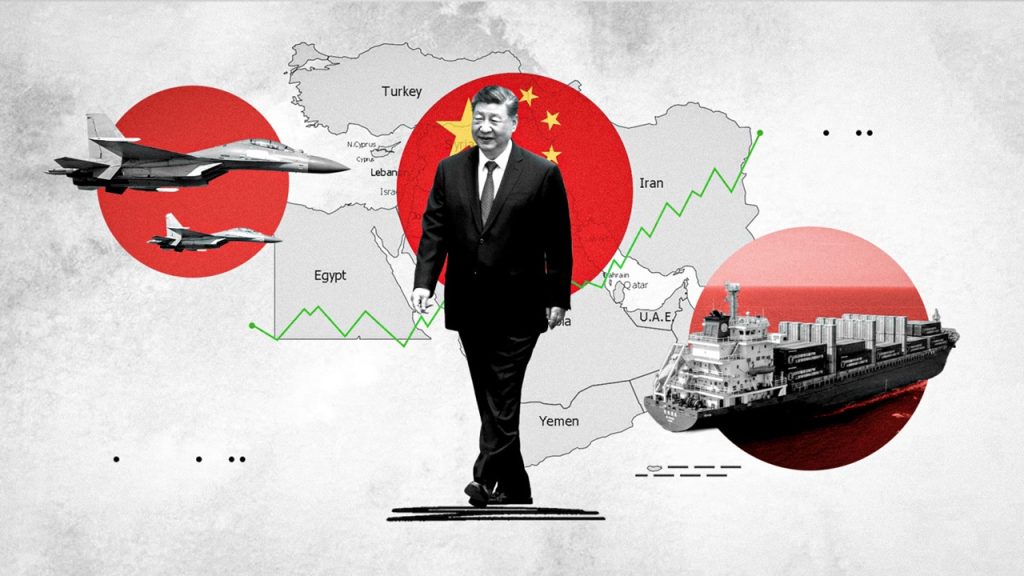
As Western regional influence shifts, Beijing is expanding its Middle East footprint through joint military exercises, advanced defense technology transfers, and strategic partnerships. By safeguarding trade routes and energy supplies without building permanent bases, it offers a pragmatic alternative for nations looking to diversify defense ties.
Strait of Hormuz Crisis Threatens Global Alliances
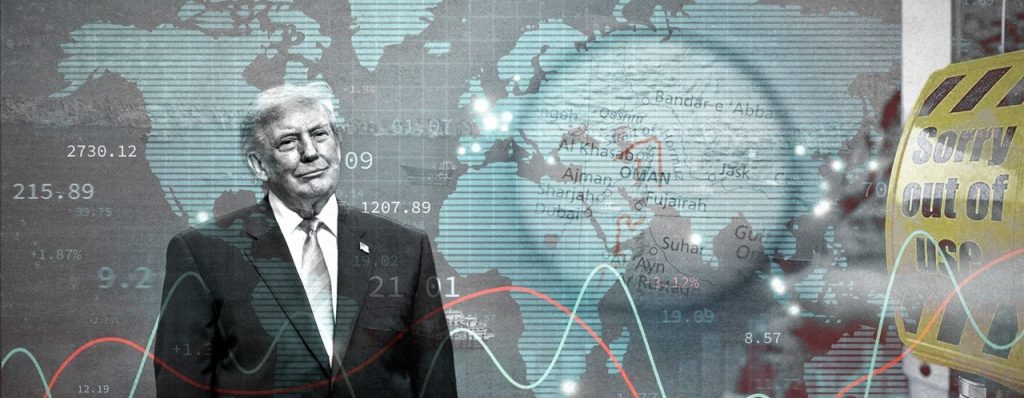
The disruption of the Strait of Hormuz highlights the systemic vulnerability of global supply chains dependent on distant maritime guarantees. Facing inflation, depleted treasuries, and severe energy shortfalls, European and Asian economies are experiencing the limits of traditional military alliances, compelling regional powers to pursue local defense pacts and strategic autonomy.
Palestinian Elections Face Severe Territorial Fragmentation
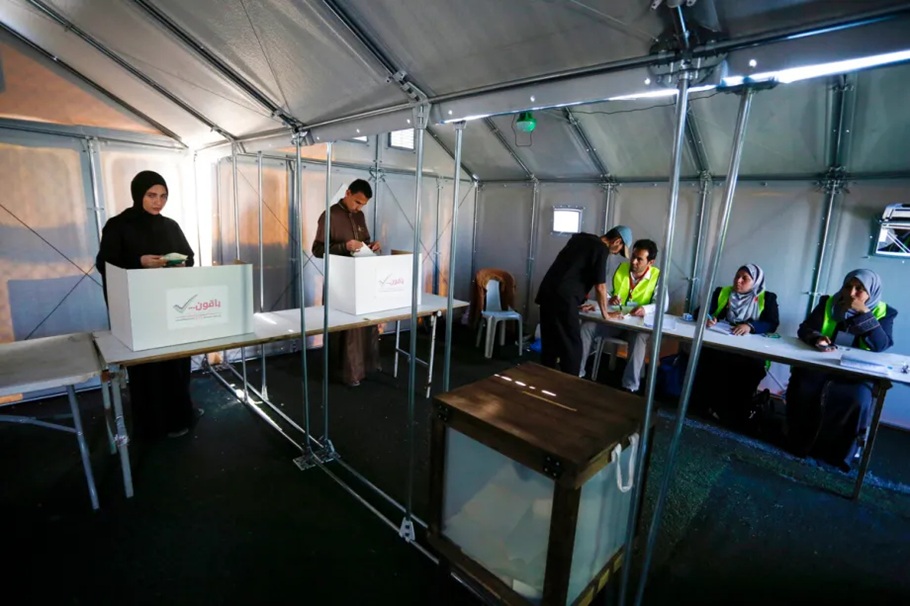
Planned Palestinian elections face severe obstacles across the West Bank, East Jerusalem, and Gaza after nearly twenty years of delay. Rising voter cynicism, expanding Israeli settlements, and internal political fractures highlight the deep structural challenges of organizing a unified vote, casting doubt on whether democratic ballots alone can restore genuine sovereignty under ongoing occupation.
Iran War Escalation Demands Lasting Diplomatic Resolution
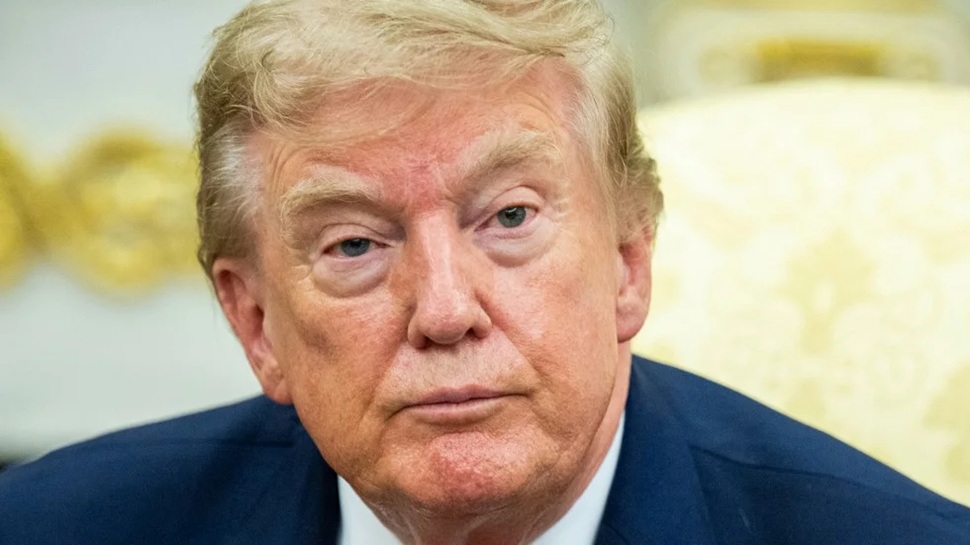
Decades of coercion and military deterrence have failed to bring peace to the Persian Gulf. Break the cycle of escalation and secure long-term regional stability by establishing binding multilateral maritime protocols and a verified diplomatic framework for sanctions relief and nonproliferation.
Federal Equity Stakes Redefine Capitalism to Protect American Markets
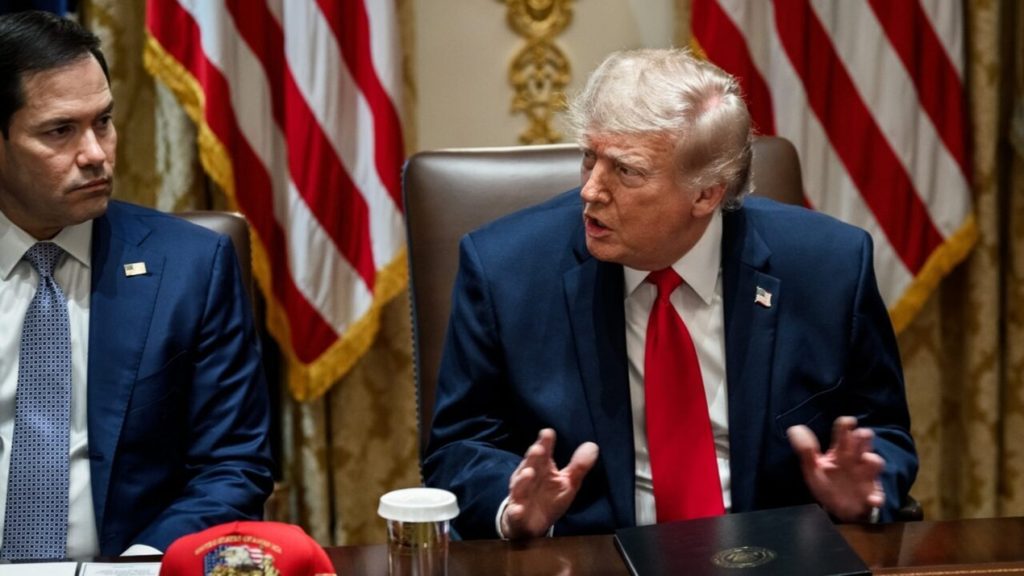
Federal investments in strategic private enterprises represent a pragmatic shift to protect critical US supply chains from predatory foreign competition. By taking direct equity stakes rather than offering simple grants, the government absorbs systemic risks in key industries like semiconductors, ensuring public capital actively safeguards national security against geopolitical leverage.