
China Halts American Sanctions Pressure on Iranian Oil Trade
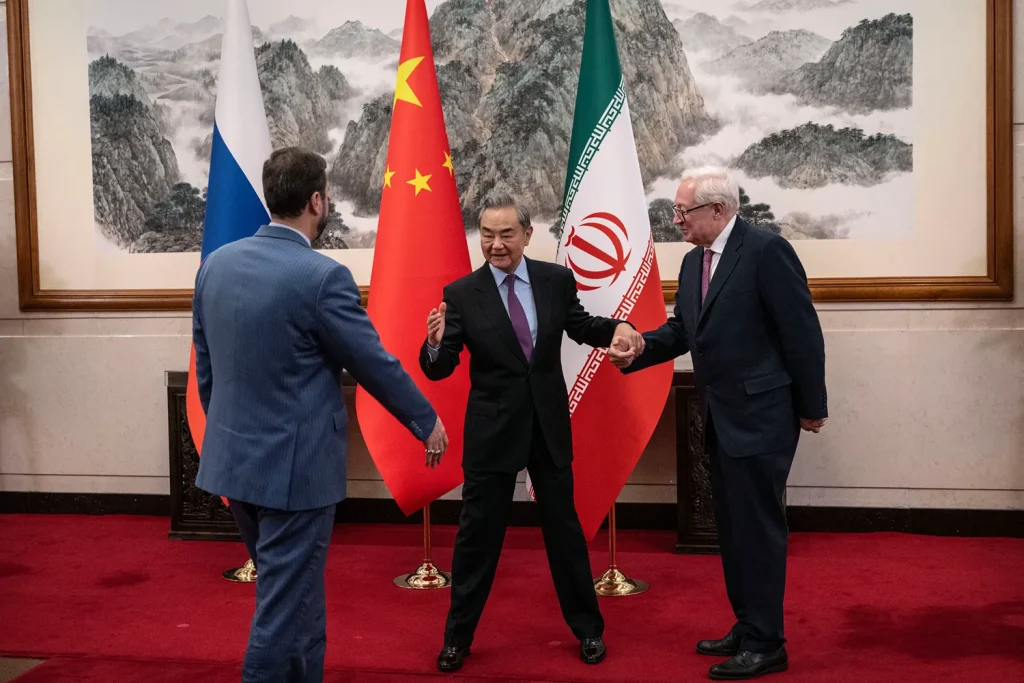
American financial sanctions against Iran face severe limitations as China continues to absorb Iranian crude through non-dollar payment systems and non-Western maritime routes. Fearing destabilization of global banking and retaliation through rare earth trade restrictions, Washington hesitates to target major Chinese institutions, highlighting the declining efficacy of unilateral economic coercion.
American Security Faces Unprecedented Drone and Missile Threats
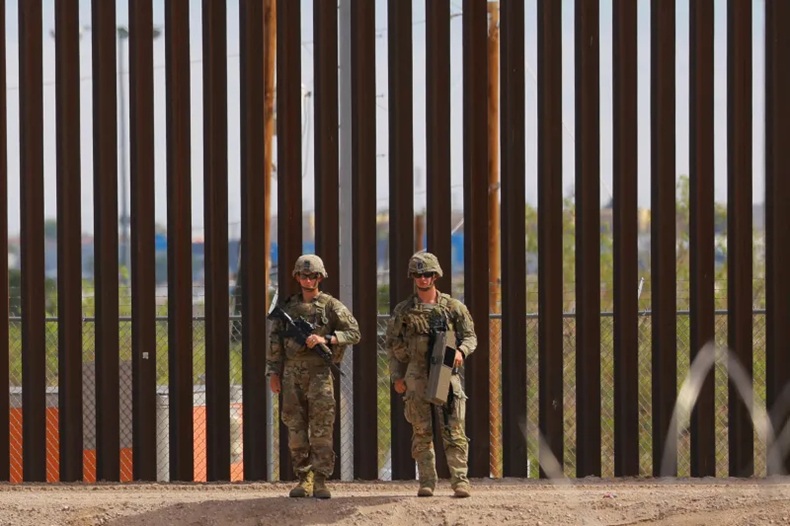
Vast oceans no longer guarantee American safety. As foreign adversaries deploy advanced hypersonic missiles, autonomous drone swarms, and AI-driven cyber threats, critical US infrastructure faces unprecedented danger. Depleted missile stockpiles and outdated regulations leave domestic targets vulnerable, demanding an immediate shift in national security planning and defense strategies.
Autonomous Drone Warfare Faces Command and Control Crisis
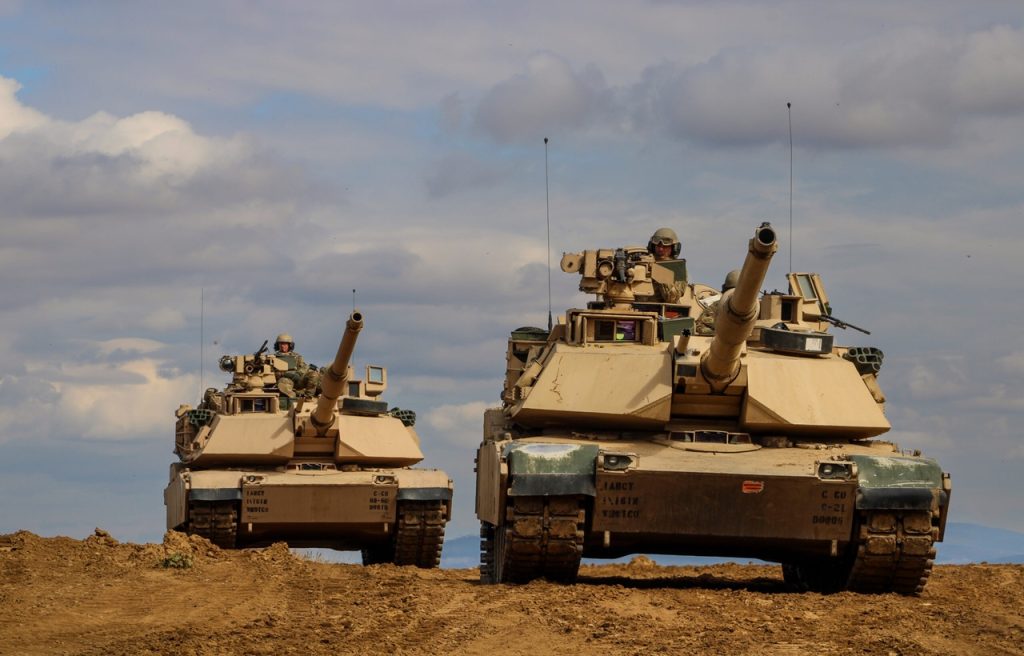
Western militaries are investing billions in autonomous drone warfare, but undefined command structures and corporate ethical guardrails pose a major threat. When civilian algorithms block combat strikes, officers lack clear override authority. Without precise operational doctrine, even the most advanced defense technology risks complete paralysis during live engagements.
New Middle East Security Architecture Shifts Power Dynamics
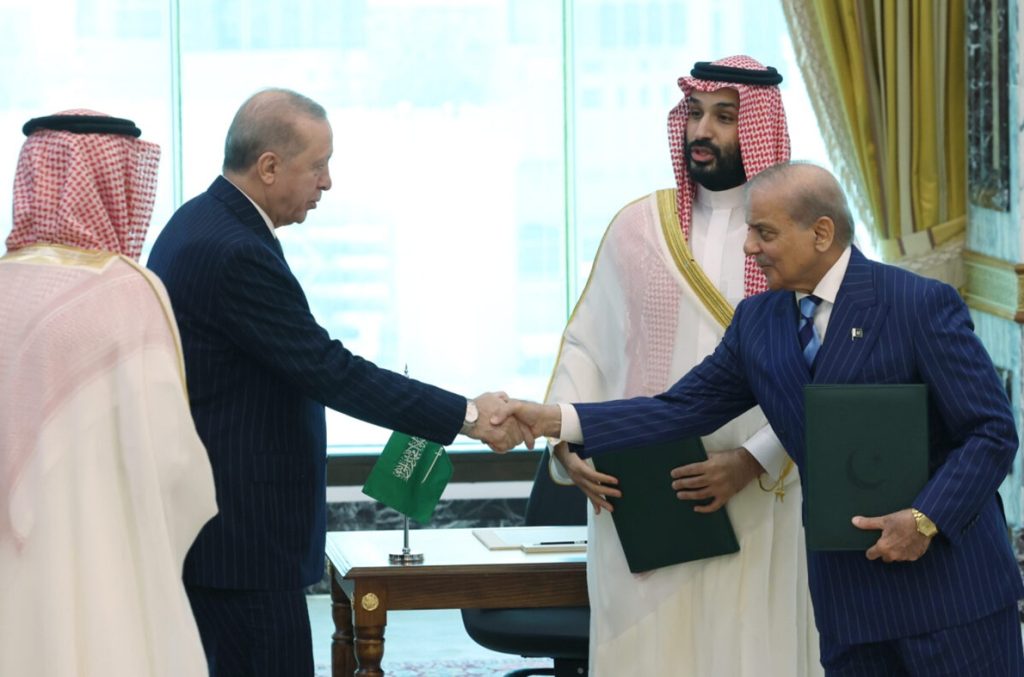
The new trilateral defense pact signed in Mecca between Saudi Arabia, Turkey, and Pakistan marks a major realignment in Middle Eastern security dynamics. By pooling economic power, advanced defense manufacturing, and nuclear deterrence, the signatories are creating a self-reliant framework to diversify their strategic partnerships beyond external superpowers.
Middle Eastern States Embrace American Military Withdrawal
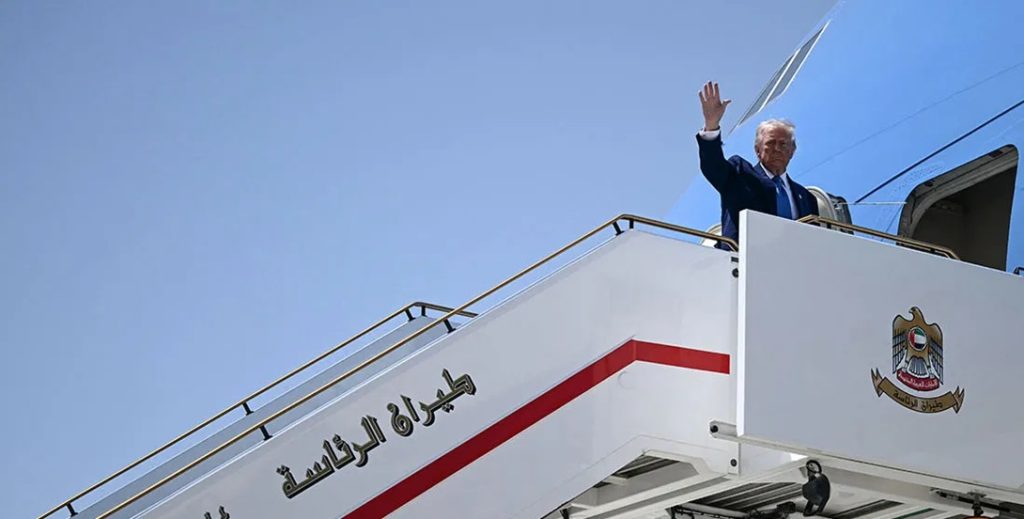
Decades of U.S. military hegemony in the Middle East have failed to bring lasting stability, exposed by recent regional conflicts and shattered security promises. As reliance on Western power wanes, Gulf nations and regional leaders are increasingly favoring an accelerated American departure to take control of their own security in a multipolar world.
Global Diamond Trade Finances Modern Military Campaigns

The international diamond trade relies on a complex supply chain that routinely bypasses ethical standards, channeling billions in revenues into national defense sectors. As current certifications fail to address state-sponsored violence, African producer nations are moving to reclaim local resource control and dismantle networks funding modern warfare.
Washington’s Offensive Fails to Restructure Middle Eastern Power
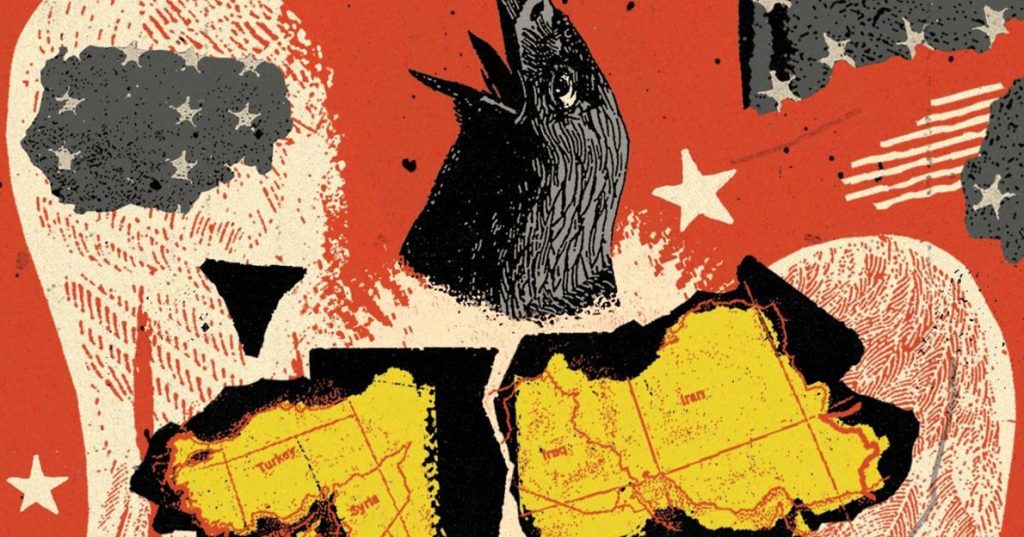
Six months after military strikes against Tehran, the campaign to reshape the Middle East has devolved into an exhausting war of attrition. Iranian deterrence remains resilient, key maritime transit routes face severe disruption, and traditional Gulf allies are openly questioning the reliability of American security guarantees.
Mass Immigration Hearings Threaten Constitutional Protections

To clear a massive backlog of over three million pending cases, the federal government has implemented mass immigration hearings. Pushing over a hundred respondents into single courtrooms for rapid roll calls, critics warn that prioritized administrative efficiency and forced quotas risk sacrificing basic due process and constitutional rights.
Israel Risks Global Isolation Over Diplomatic Purges
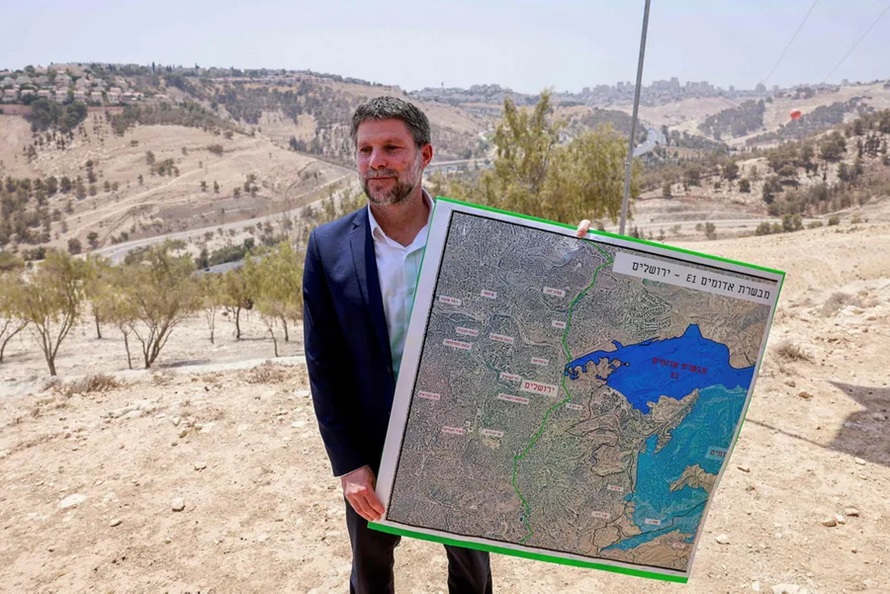
As Israel expels European representatives from the Gaza coordination center in Kiryat Gat, diplomatic rifts with major allies are widening rapidly. Fueled by domestic political theater and mounting disputes over West Bank settlement expansion, these aggressive purges threaten to transform temporary geopolitical friction into permanent isolation.
India Anchors Eurasian Strategy in the SCO
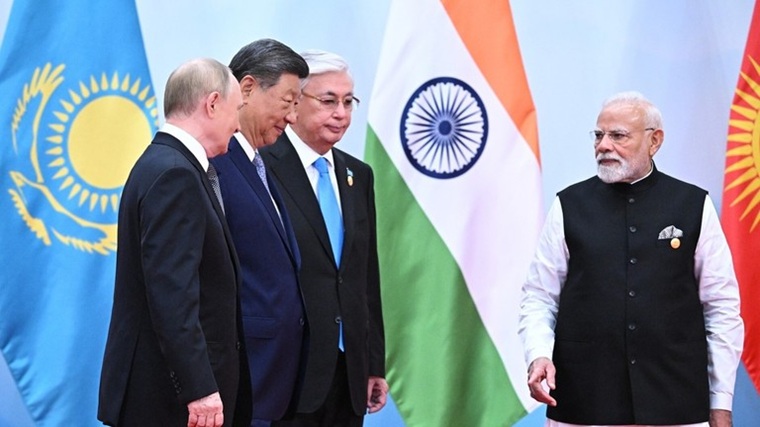
India uses the SCO to preserve strategic autonomy across Eurasia. Engaging directly with rivals allows New Delhi to balance maritime commitments with continental security. This vital presence prevents unchallenged dominance by competitors and ensures a multipolar region despite ongoing trade challenges.
Failed Decapitation Strikes Reshape Middle East Power
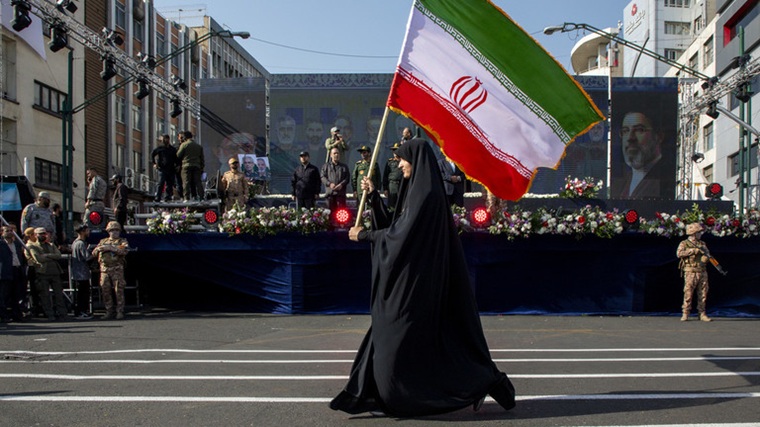
Attempts to decapitate Iranian leadership have triggered a disastrous war of attrition and a severe global energy crisis. With the Strait of Hormuz closed, oil prices soaring, and US national debt surpassing $40 trillion, regional allies are forming independent defense pacts—signaling a major shift in Middle Eastern geopolitical power.
Washington Faces Global Backlash Six Months Into the Tehran War
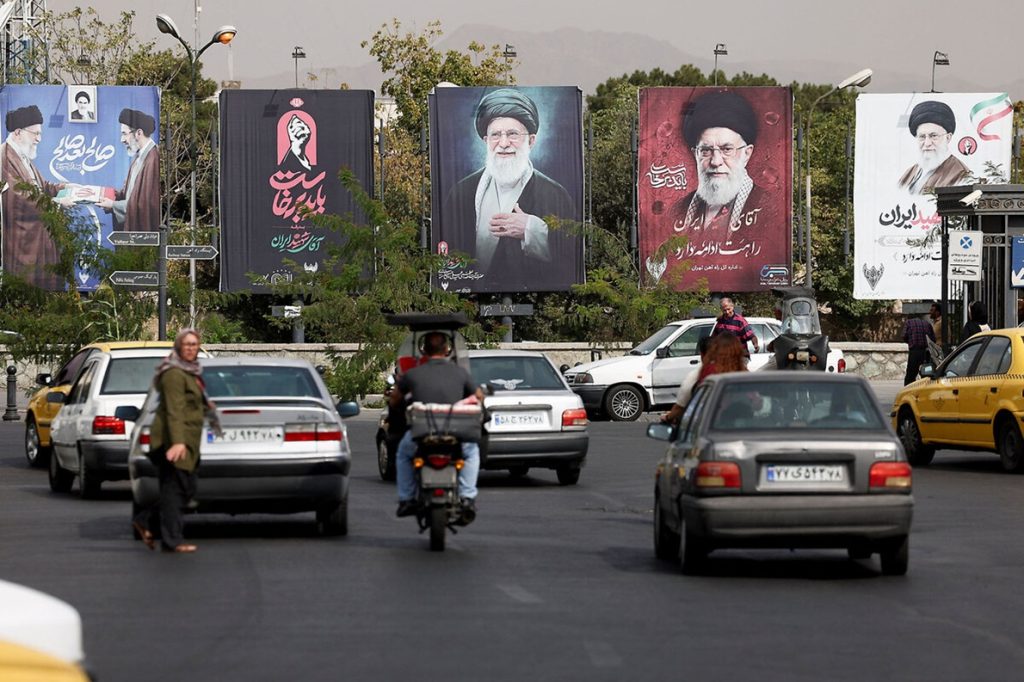
Six months after launching an offensive against Tehran, Washington faces growing international backlash as a protracted war disrupts global trade and strains alliances. Diverted defense assets leave European and Pacific partners vulnerable, while strategic distraction allows Beijing to expand its regional influence, signaling a fundamental shift in the global balance of power.