
Why Ansarallah Operates Beyond Iranian Control
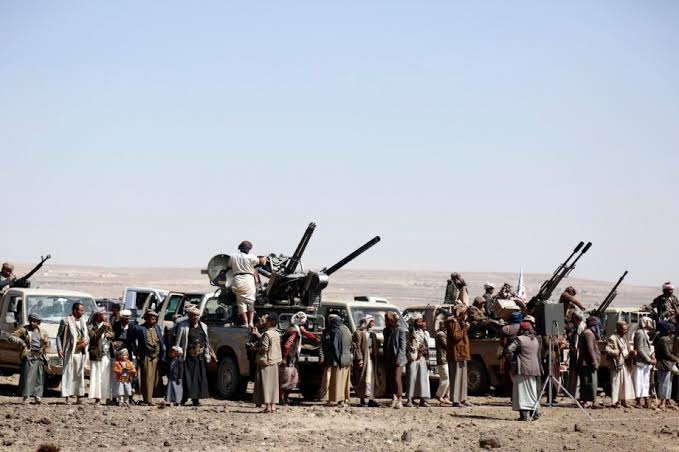
Framing Ansarallah as a mere Iranian proxy misreads the group’s operational autonomy. Despite receiving arms from Tehran, the Yemeni faction operates with financial independence, distinct ideological roots, and local political goals. Effective diplomacy requires addressing these local drivers rather than treating the movement as a simple foreign instrument.
Why Trump and Xi Cannot Stop the US China Spiral
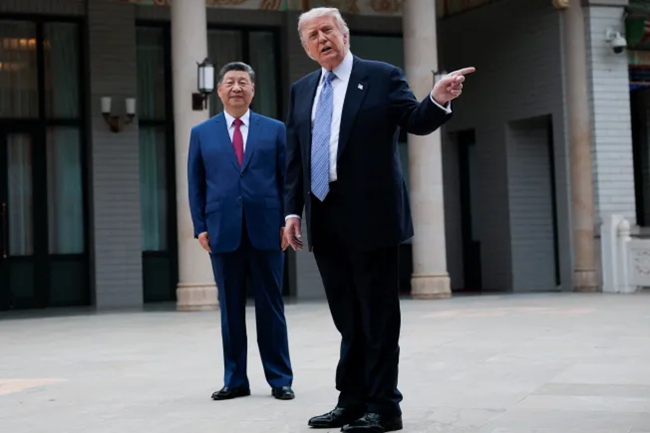
Despite hopes for a historic diplomatic breakthrough, mismatched leadership dynamics leave Washington and Beijing trapped in ongoing trade friction. Trump’s volatile approach clashes with Xi’s rigid refusal to compromise, showing that personal charm cannot solve deep-seated structural rivalries or prevent further economic retaliation between the two powers.
North Korean Succession at the Next American Summit
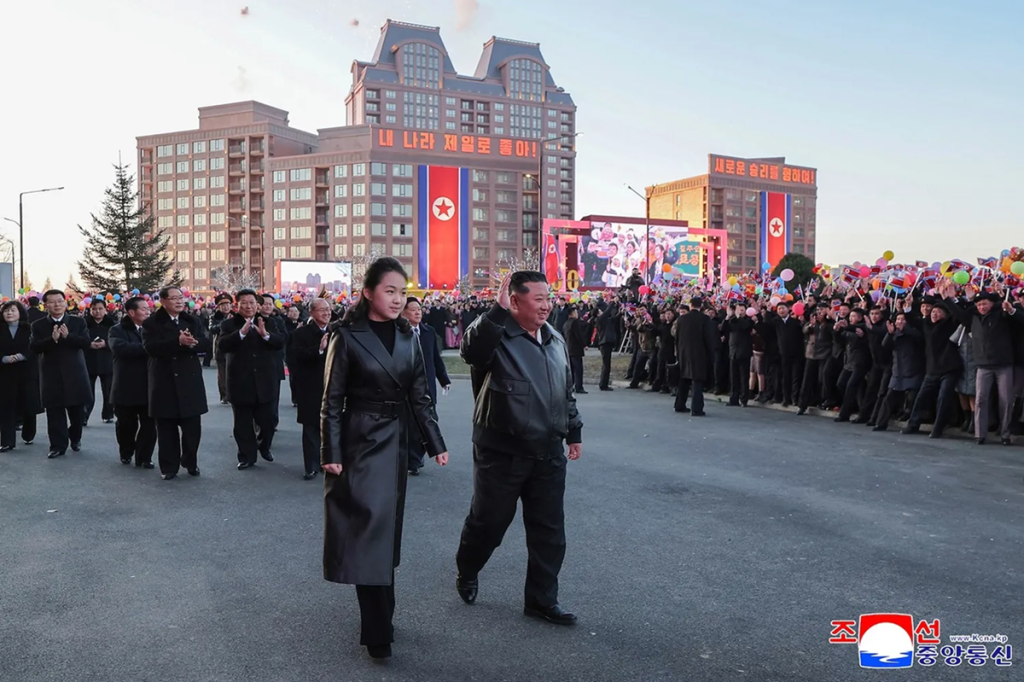
Beyond arms control, the upcoming summit could mark a major political milestone as Pyongyang’s supreme leader introduces his young daughter to global diplomacy. Elevating her status alongside international statesmen aims to solidify domestic loyalty, signal dynastic succession, and normalize the regime’s long-term nuclear status on the world stage.
How Pakistan Balances Global Powers Without Becoming a Pawn
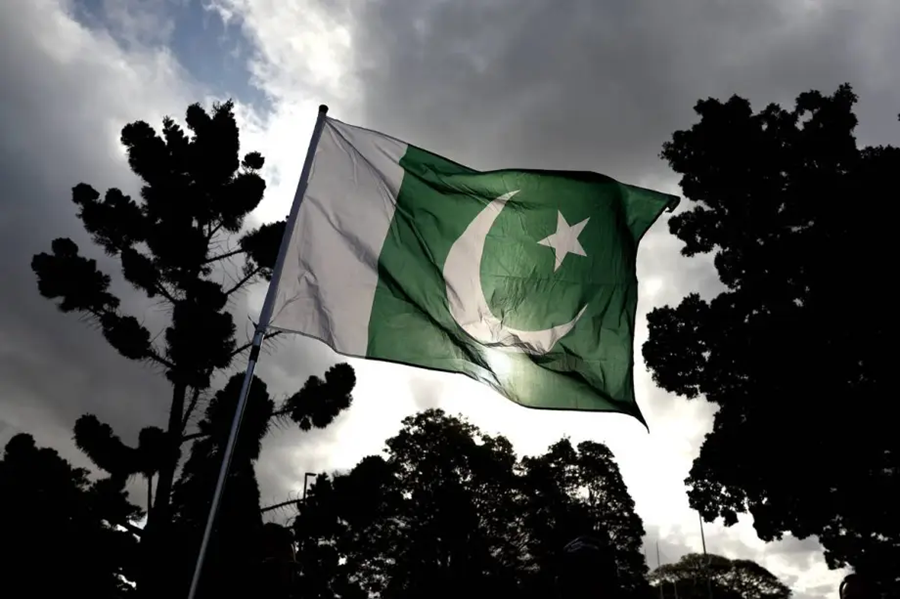
By occupying a vital geographic crossroads, Pakistan operates as a key geopolitical fulcrum. Through strategic hedging between Beijing, Washington, and Gulf powers, Islamabad secures military and financial leverage without submitting to total dependency. This calculated balancing act ensures no major power can bypass its regional influence.
How Bab el Mandeb Vulnerabilities Threaten Global Commerce
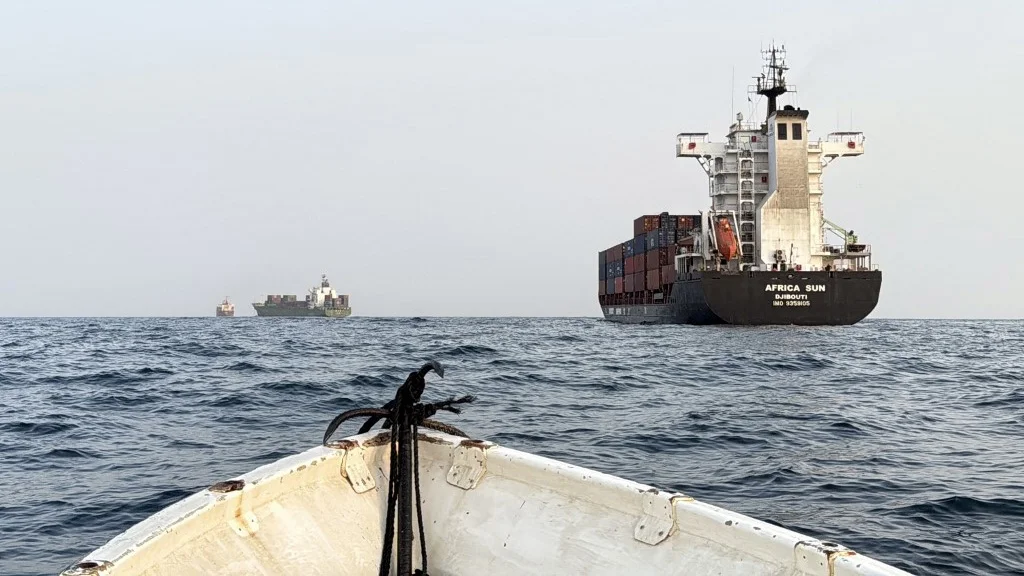
Insurgent advances in western Yemen and the capture of Mokha pose a direct threat to the Bab el Mandeb strait. As regional defenses fail, shipping routes are diverted, sending global freight costs rising. This emerging crisis directly jeopardizes international trade and energy markets.
BRICS 2026: New Delhi Declaration Adopted Unanimously
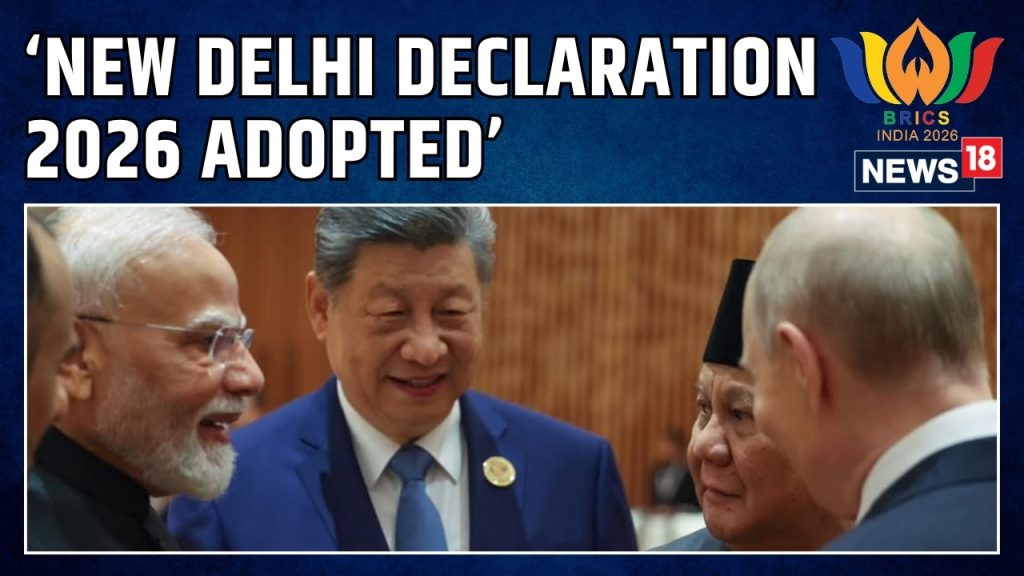
The declaration stresses the need for conflict prevention, dialogue and diplomacy amid ongoing global conflicts. The summit also focuses on global governance reform, strengthening multilateralism and giving the Global South a greater voice in international decision-making.
Why the Rivalry Between Turkey and Israel Threatens Regional Security
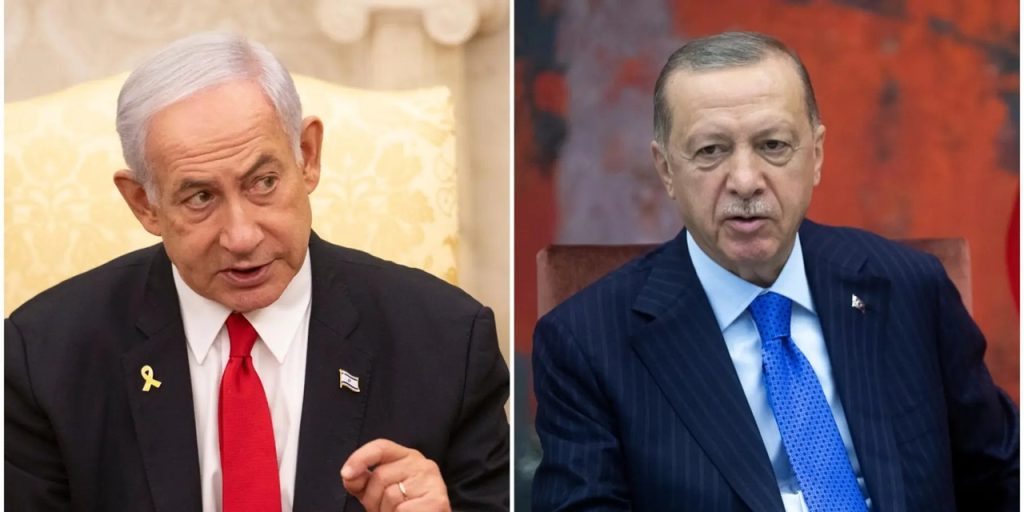
Escalating military competition between Israel and Turkey over Syria has reached a critical flashpoint following Israel’s airstrike on the Abu al-Duhur airbase. As Ankara supports Syria’s central government and Israel seeks to prevent a Turkish military presence on its border, the rift threatens regional security and complicates Western defense alliances.
U.S. Deportation Policy Collides with Escalating Violence in Haiti
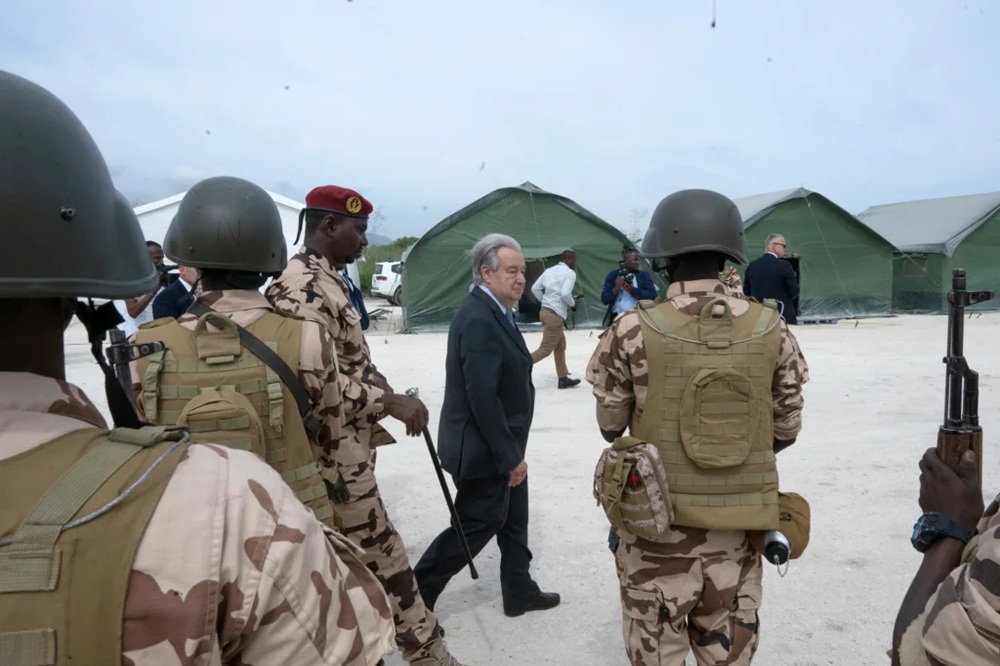
Washington’s plan to end Temporary Protected Status for Haitian migrants collides with escalating gang warfare and a collapsing healthcare system in Port-au-Prince. Prioritizing militarized intervention over humanitarian support risks exacerbating civilian suffering and forcing deportees back into an active combat zone.
How September Eleven Hastened the Decline of American Hegemony

The aggressive post-9/11 foreign policy transformed global geopolitics, replacing the unipolar moment with widespread regional instability. Unilateral interventions, nation-building failures, and domestic overreach eroded American credibility, paving the way for emerging powers to challenge Western dominance and shape a multipolar world.
How Reconstruction Capital Sustains Sectarian Politics in Lebanon

International proposals linking Lebanon’s reconstruction funds to Hezbollah’s disarmament risk repeating historic post-civil war mistakes. By channeling external financial bailouts through corrupt state institutions, the strategy refinances sectarian patronage networks and removes pressure for genuine economic and political reform while leaving systemic dysfunction unchecked.
How BRICS Manages Contradictions in a Divided World
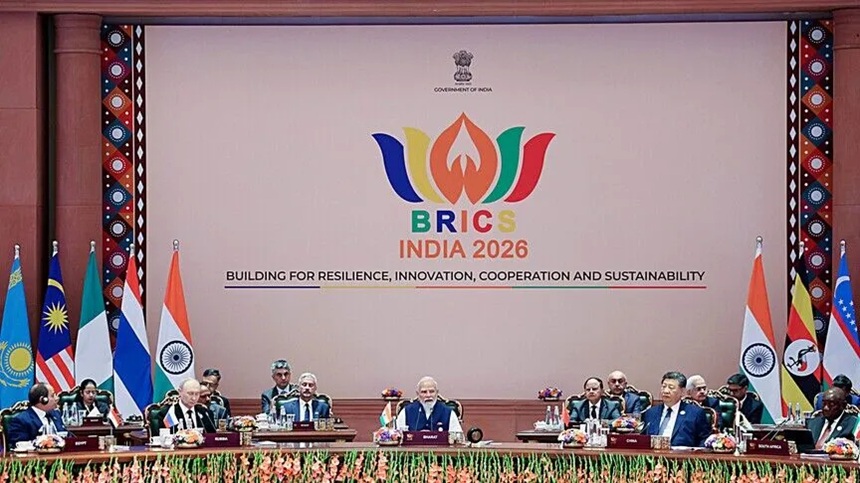
Despite deep geopolitical divides, the BRICS Summit in New Delhi achieved a unified declaration by prioritizing economic pragmatism over political consensus. By focusing on local currency settlements, financial reforms, and flexible partnerships, member states demonstrate how a multipolar alliance can manage internal contradictions while building alternative global structures.
How American Troop Drawdowns Threaten European Security
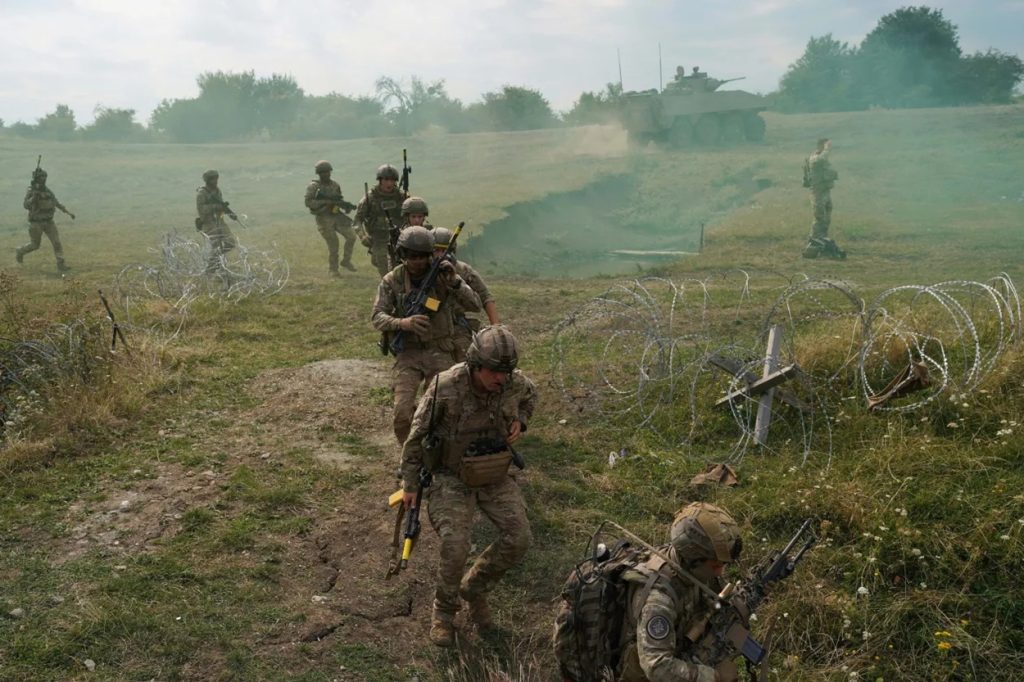
Plans to reduce the U.S. military footprint across Europe risk destabilizing regional security and eroding NATO’s deterrence umbrella. As Washington shifts defensive burdens to European allies, critical gaps in operational capabilities and conventional readiness expose vulnerable borders to heightened hybrid threats and strategic escalation.