
Coverage of the Trump-Xi-Putin summit understates Trump’s susceptibility
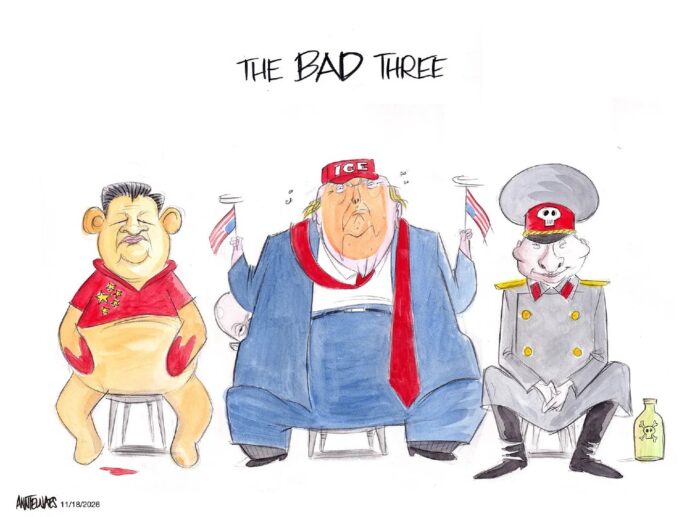
Analysis: Visually, the cartoon portrays Xi Jinping as a Pooh-like bear in a red starred shirt, Donald Trump in a red “ICE” cap and oversized suit holding tiny U.S. flags, and Vladimir Putin in a Soviet-style military coat with a skull-and-crossbones cap beside a bottle of poison, all seated side by side on small stools. The imagery underscores the critique that the Shenzhen summit elevates personal strongman theater over substantive diplomacy, leaving smaller nations and democratic allies vulnerable to spheres-of-influence bargaining. By casting the trio as “The Bad Three,” Telnaes highlights how U.S. participation normalizes revisionist powers while signaling the erosion of Washington’s traditional rules-based leadership.
Trump-Xi-Putin Summit: What Happened in Shenzhen? | The Capital Cable #147
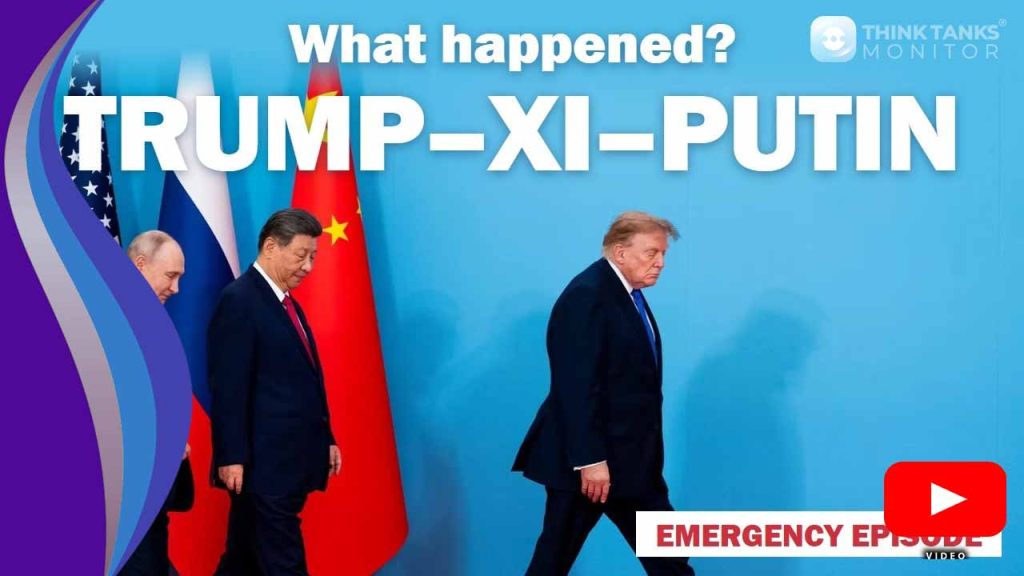
Analysis: The panel assesses that the Shenzhen trilateral’s four-point statement—covering UN reform, energy security, ICC immunity, and nuclear risk—reflects Moscow and Beijing’s revisionist agenda more than U.S. strategic priorities. While Washington avoided formal concessions on Ukraine, Iran, or North Korea, the summit’s optics signal a shift toward a “great power condominium” that sidelines traditional allies like Japan, South Korea, and Europe. Furthermore, Beijing’s framing of the bilateral readout on Taiwan underscores growing anxiety that transactional summitry is eroding the credibility of U.S. security commitments.
Could the Nvidia Scandal Change America’s China Strategy?

Analysis: Sacks argues that Washington’s reliance on sweeping semiconductor export controls has inadvertently accelerated China’s domestic tech innovation and supply-chain integration. Rather than conducting disciplined cost-benefit assessments on where technological decoupling serves U.S. interests, policymakers risk “making policy by scandal” amid heightened political polarization. This matters because reactive tech restrictions—occurring alongside the historic Trump-Xi-Putin trilateral summit—could undermine strategic stability while failing to curb Beijing’s indigenous AI capabilities.
Beyond Algorithms: Seeing Modern China Firsthand in the AI Era
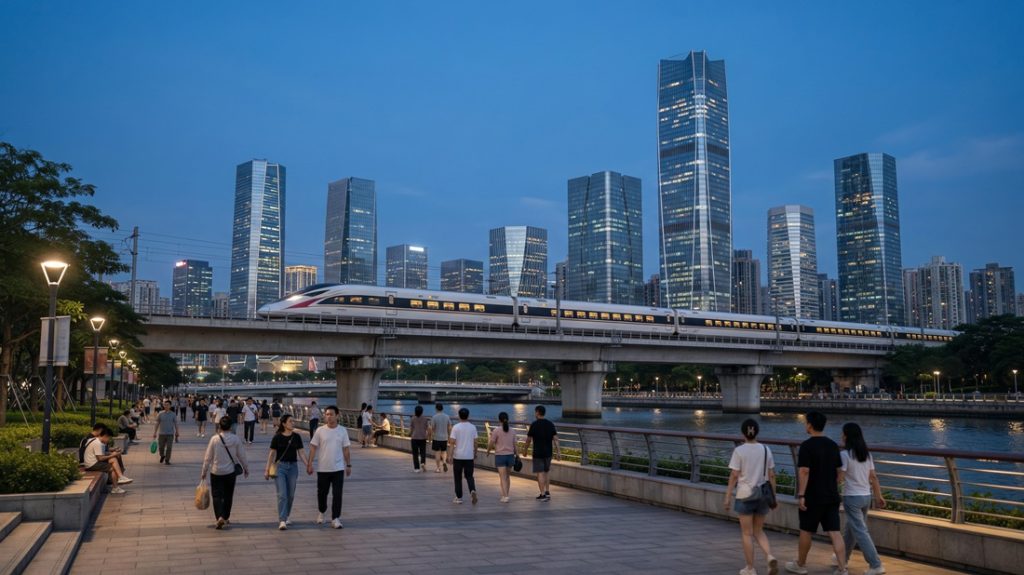
While algorithms and social media frequently flatten China into outdated stereotypes, firsthand experience tells a very different story. Ahead of the 2026 APEC meetings in Shenzhen, expanded visa-free travel, simplified mobile payments, and open-source AI cooperation show how direct human engagement and practical innovation can bridge global divides far better than digital filters ever could.
New US Congress Faces War, AI, and Debt Crises
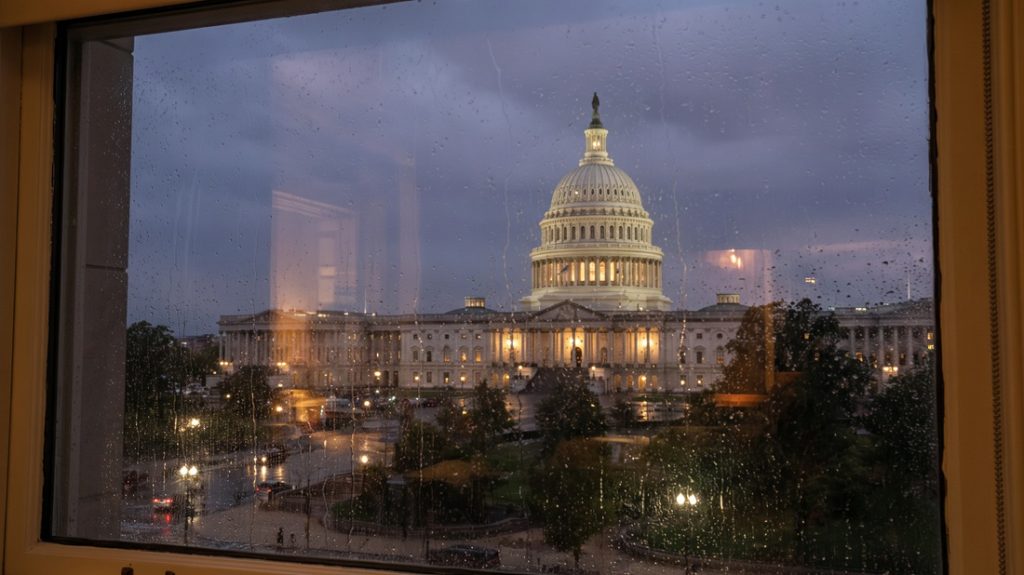
After winning control of both congressional chambers amid voter frustration over rising living costs, the incoming Democratic majority faces three interlocking crises: escalating conflict with Iran, a swelling $40 trillion national debt, and unregulated artificial intelligence. Despite potential presidential vetoes, lawmakers have a critical opening to use budget leverage and oversight hearings to rein in military spending, restore fiscal discipline, and establish binding AI safeguards.
Why Prolonged Military Action Weakens US Credibility
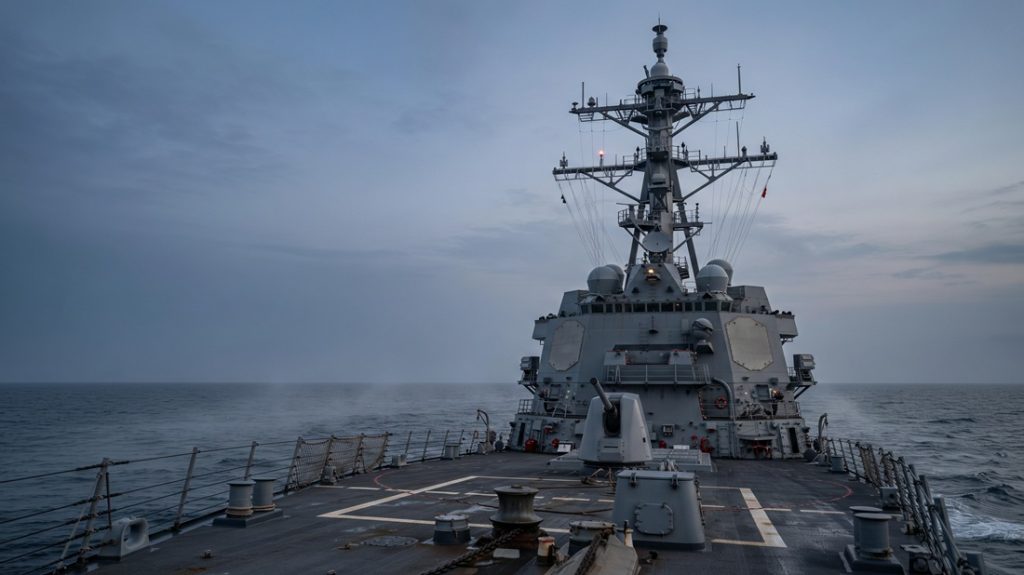
Prolonged military conflict with Iran is draining vital US missile stockpiles and eroding domestic political support, ultimately weakening American deterrence rather than projecting strength. By exhausting scarce resources in secondary theaters, Washington risks leaving itself vulnerable to major rivals elsewhere—making strategic restraint the smarter path to preserving global credibility.
Washington’s Oil Deals Risk Backfiring in Post Maduro Venezuela
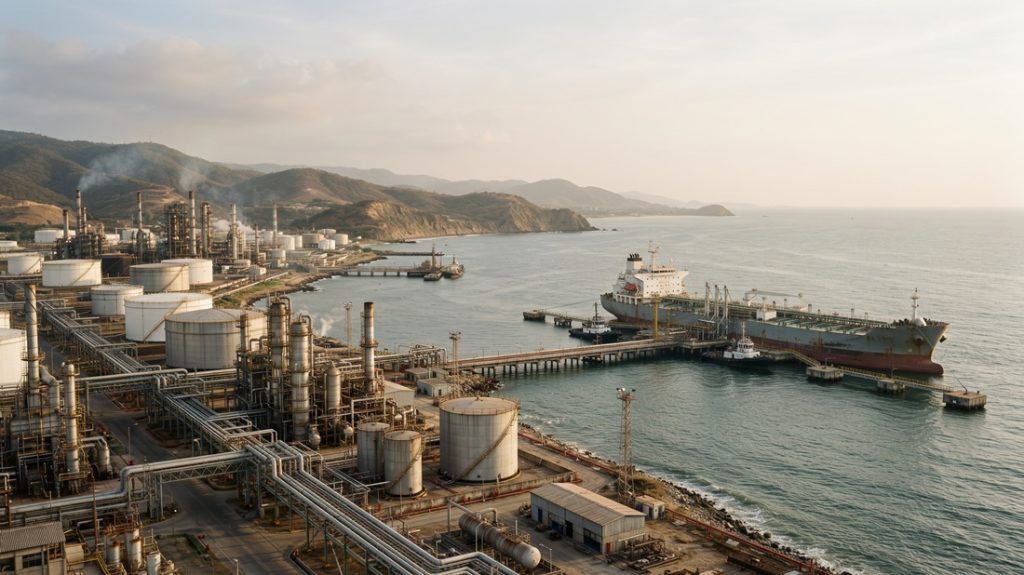
According to the provided article, the Trump administration has prioritized sweeping crude supply agreements with Acting President Delcy Rodriguez in post-Maduro Venezuela while sidelining democratic reforms and popular opposition leader Maria Corina Machado. Analysts and Venezuelan civil society warn that lifting sanctions and finalizing long-term energy deals without electoral timelines or oversight risks entrenching authoritarian patronage networks and fueling long-term political instability.
Double Standards Exposed Between Qatar and US World Cups
A stark contrast in British media coverage between the 2022 Qatar World Cup and the 2026 tournament in the United States exposes a persistent double standard in Western journalism. While Doha faced relentless scrutiny over human rights, similar reporting largely vanished in North America despite major visa denials and domestic controversies, raising serious credibility questions ahead of future hosts.
Latin America’s Right Wing Splits Over Palestine Policy
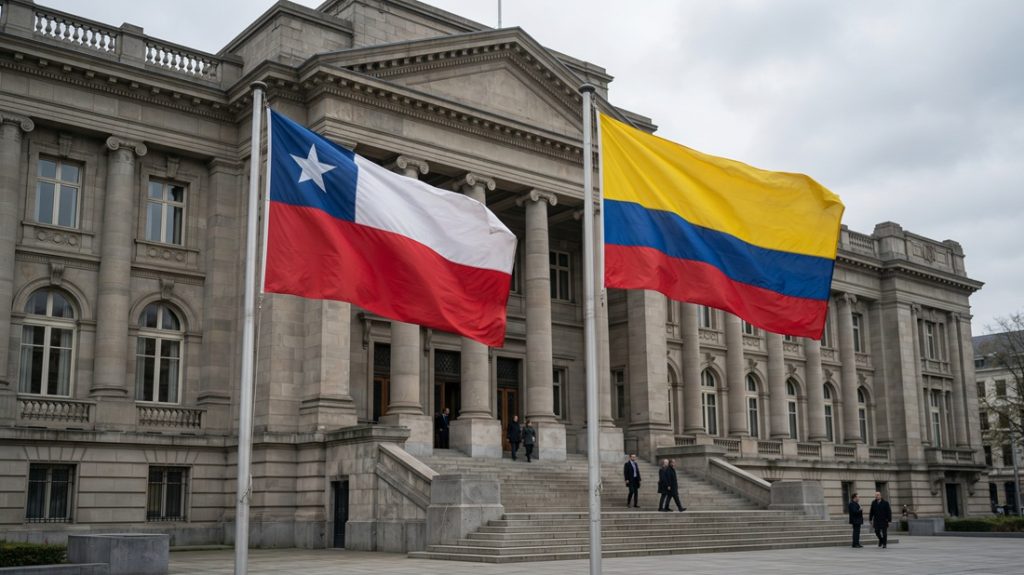
Recent right-wing victories in Colombia and Chile have fractured Latin America’s long-standing consensus on Palestine, but their foreign policies are diverging sharply. While Colombia aggressively reversed course by moving its embassy to Jerusalem and exiting the ICJ genocide case, Chile opted for a cautious shift that is already facing fierce pushback from lawmakers and its Palestinian diaspora.
Arab Voters Reshape Israel’s Post Election Power Balance

A record surge in Arab voter turnout has reshaped Israel’s post-election landscape, delivering 19 parliamentary seats to Arab parties and leaving the opposition unable to form a government without their support. As coalition talks unfold, Arab leaders are demanding concrete policy commitments rather than informal arrangements, forcing a pivotal choice between political inclusion and continued deadlock.