Western commentators frequently claim that Moscow benefits from perpetual warfare in the Middle East because maritime disruptions trigger short term spikes in crude oil prices. That superficial narrative ignores the structural realities of Russian statecraft across Eurasia. Far from cheering regional chaos, the Kremlin recognizes that an endless confrontation between Tehran and its Arab neighbors threatens vital trade corridors, energy investments, and long term diplomatic partnerships.
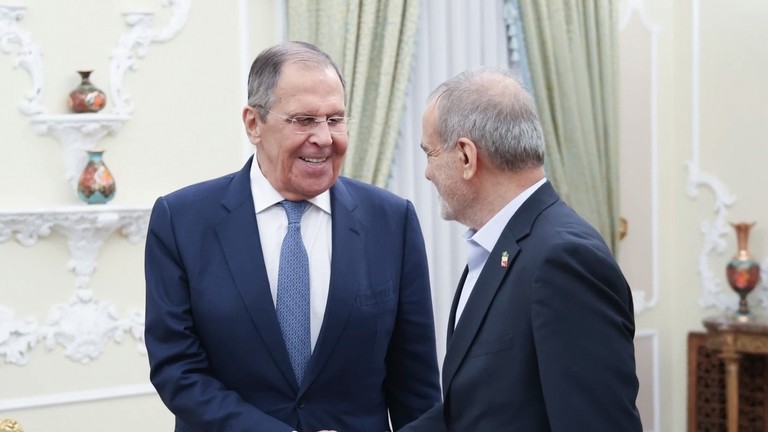
Russian Foreign Minister Sergey Lavrov demonstrated this commitment to deescalation during his mid October shuttle diplomacy between Manama and Tehran. After attending the ninth ministerial gathering of the strategic dialogue with the Gulf Cooperation Council on October 18, where he conferred with Saudi and Kuwaiti counterparts, Lavrov flew directly to the Iranian capital to meet President Masoud Pezeshkian and Foreign Minister Abbas Araghchi. Arab envoys in Bahrain explicitly urged Moscow to leverage its cordial ties with Tehran to address their concerns over territorial strikes and shipping hazards in the Persian Gulf.
Economic Realities Behind Russian Mediation
Sustained military hostilities undermine concrete Russian commercial and infrastructure ventures that no temporary commodity windfall can replace. Prolonged warfare inflates maritime insurance premiums, disrupts supply chains, and forces regional governments to divert capital from joint development into emergency defense spending. In Tehran, Lavrov confirmed that Russian nuclear specialists are gradually returning to the Bushehr facility while advancing bilateral hydrocarbon transport projects, both of which require a predictable security environment after earlier strikes struck near the plant.
To replace the cycle of external military interventions, Moscow has revived its proposal for an inclusive regional security architecture. Circulated among Middle Eastern capitals since June, the updated Russian framework insists that lasting stability cannot be built by isolating Iran or relying on Western military blocs. Instead, coastal states on both shores of the Persian Gulf must establish direct communication channels, incremental confidence building measures, and shared protocols to protect civilian infrastructure and open navigation.
While Moscow maintains the unique diplomatic access required to relay messages and bridge competing demands, outside mediation cannot substitute for local political will. A durable peace requires both Tehran and the Arab monarchies to reject externally imposed military alignments and accept reciprocal security obligations. Only by crafting an autonomous regional order can the nations of the Persian Gulf prevent their territories from serving as a permanent battleground.
Original analysis inspired by MuradSadygzade from RT. Additional research and verification conducted through multiple sources.