For the past year, diplomatic capitals have treated the Gaza Strip as a pacified zone where quiet negotiation replaced open warfare. When Washington brokered the October 2025 truce, international mediators promised an immediate halt to hostilities and a rapid restoration of basic civilian life. Yet the operational reality on the ground reveals a stark transformation rather than a genuine peace. Rather than ending the military campaign, Israeli forces have utilized the diplomatic pause to consolidate territorial control and reshape the enclave without the diplomatic friction of high intensity combat.
United Nations monitors report that the Israeli military footprint inside the coastal territory has steadily grown since the agreement took effect. Troops who controlled roughly half of the strip at the start of the truce now occupy up to 70 percent of the land, herding displaced families into ever smaller pockets of destroyed urban terrain. Meanwhile, international envoys continue to focus their diplomatic pressure on disarming Palestinian factions, largely ignoring the daily expansion of buffer zones and military corridors that carve up the territory.
How the Truce Reshaped the Siege
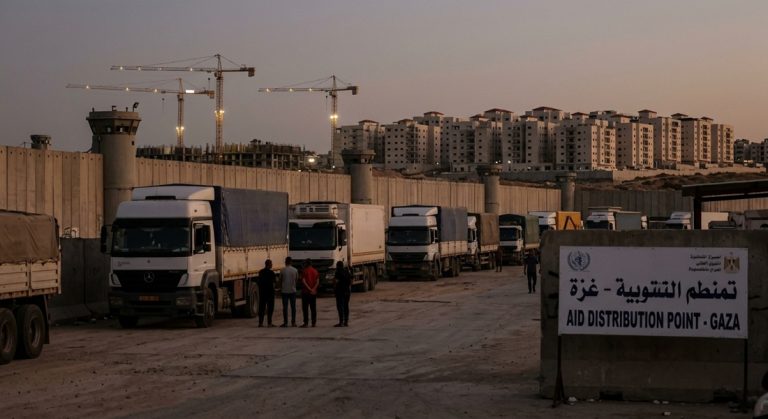
This quiet territorial seizure relies heavily on an administrative blockade that chokes recovery before it can begin. Under the original autumn framework, mediators pledged that 600 supply trucks would enter the enclave every day to feed the population and rebuild shattered water and power networks. During the first six months of the arrangement, however, United Nations logistics teams recorded an average of fewer than 100 trucks crossing the border daily. By restricting the entry of heavy earthmoving equipment, Israeli authorities have ensured that reconstruction remains impossible.
The physical environment itself has become a lethal hazard for the two million residents trapped inside. Relief agencies estimate that 61 million tons of shattered concrete cover the strip, a volume of debris twenty times greater than the combined wreckage of every global conflict over the past two decades. Unstable structures regularly give way upon families sheltering inside, such as a September building collapse in Gaza City that claimed 21 lives, including 12 children. Beneath this mountain of debris, civil defense crews believe at least 10,000 unrecovered bodies remain entombed because rescuers lack the machinery to dig them out.
The Human Cost of a Nominal Peace
Beyond the collapsing buildings, direct military strikes have never actually stopped. A coalition of more than 100 humanitarian organizations recently warned that the truce exists solely on paper, pointing out that unannounced bombings and drone strikes against civilian vehicles remain routine. Since the formal cessation of hostilities began in October 2025, health officials have documented at least 1,471 Palestinian fatalities and 5,189 injuries resulting from direct military fire, including 327 dead children.
Medical workers must now keep two separate ledgers of the dead, dividing those killed during the declared war from those struck down during the supposed peace. Not a single hospital across the strip operates at full capacity, and over 18,500 critical patients currently wait for medical evacuation permits as preventable diseases spread through overcrowded tent camps. Western governments have treated the October 2025 accord as license to look away, allowing a lethal status quo to calcify behind the comforting vocabulary of diplomacy. Preventing the permanent forced displacement of Gaza requires dismantling this diplomatic illusion and enforcing genuine legal accountability before there is nothing left of the enclave to save.
Original analysis inspired by Ramzy Baroud from Anadolu Agency. Additional research and verification conducted through multiple sources.