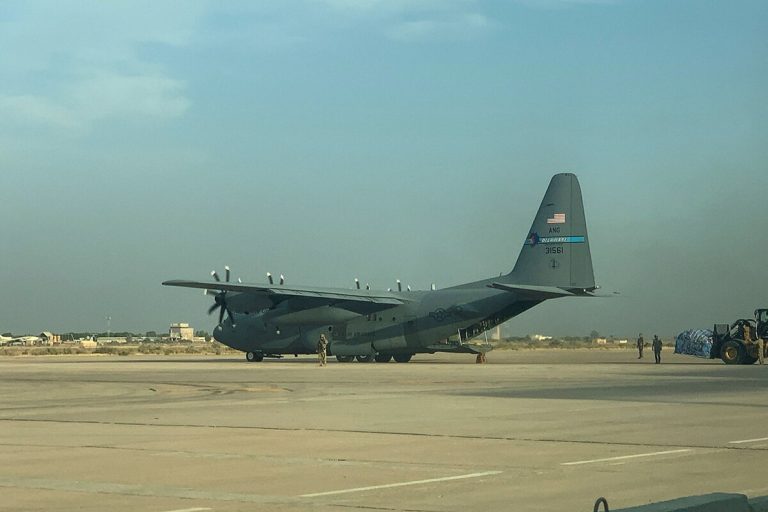
The destruction sustained during recent hostilities prompts defense officials to rethink American troop deployments across the Persian Gulf. Following extensive structural damage to regional installations, military planners examine the viability of maintaining large troop concentrations in vulnerable areas. The final withdrawal of forces from Iraq marks a decisive shift in how Washington projects power abroad. Officials increasingly recognize that massive static facilities now present significant liabilities rather than impenetrable fortresses.
Over the past several months, precision strikes battered facilities previously considered safe havens for allied operations. A recent congressional oversight report reveals the destruction of hundreds of structures across multiple allied nations including Qatar and Bahrain. Advanced drone capabilities and extended missile ranges fundamentally altered the threat environment for these installations. Military leaders openly concede that returning personnel to heavily damaged regional command centers remains highly unlikely in the near future.
Strategic Transition
This physical withdrawal does not necessarily indicate a complete abandonment of regional security commitments. Defense specialists suggest that Washington will likely transition toward a supportive role focused on intelligence sharing and weapons distribution. Rather than supplying combat troops, the military aims to facilitate better coordination among local allied forces. This integration approach requires regional partners to [suspicious link removed] on joint air defense and radar networks despite historic diplomatic friction.
Critics warn that shuttering major airfields could encourage rival global powers to expand their influence. Competing nations often exploit perceived power vacuums to establish new economic and security partnerships. However, maintaining massive troop levels to project deterrence recently proved counterproductive when those exact bases became primary targets. Future security arrangements will likely rely on distributed mobile forces and strengthened local alliances rather than massive permanent infrastructure.
Original analysis inspired by Anna Mulrine Grobe from Christian Science Monitor. Additional research and verification conducted through multiple sources.