The waters surrounding Taipei currently project a deceptive tranquility as global leaders convene in Washington. After years of intense military posturing, Beijing abruptly paused its large-scale maritime intimidation tactics over the past year. This temporary de-escalation does not signal a permanent strategic shift, but rather a calculated waiting period. Chinese leadership anticipates future political realignments while quietly restructuring their top military command structures.
The Shifting Danger Zone
Regional security analysts previously pinpointed next year as the critical timeline for a cross-strait confrontation. However, the true diplomatic pressure now shifts toward 2028, when presidential elections in both the United States and Taiwan will fundamentally alter the geopolitical landscape. Chinese officials desperately hope the opposition Kuomintang party regains power to resume integration talks. If the ruling Democratic Progressive Party secures a historic fourth consecutive victory, Beijing will face the undeniable failure of its long-term assimilation strategy.
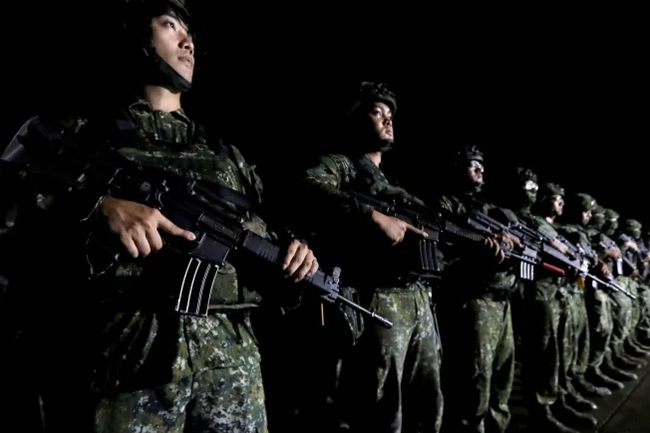
While international observers debate future scenarios, Taiwanese leadership actively transforms the island’s economic and military resilience. The domestic tech sector dramatically reduced its reliance on mainland markets, redirecting massive financial resources toward American semiconductor facilities. Simultaneously, the defense ministry completely overhauled its tactical approach during recent Han Kuang defense exercises. Commanders now prioritize asymmetric warfare, drone integration, and civil defense preparedness over traditional, highly scripted military demonstrations.
A Risky Diplomatic Game
Despite Taipei aggressively modernizing its defense infrastructure, American policy currently injects unnecessary uncertainty into the partnership. The White House repeatedly delays a crucial fourteen-billion-dollar weapons package, publicly treating the defensive arsenal as a diplomatic bargaining chip in broader trade negotiations. This hesitation deeply unsettles regional allies who rely on consistent American security commitments. Postponing these vital capabilities leaves Taipei dangerously exposed during a critical modernization window.
Treating national defense as a negotiable asset ultimately weakens deterrence. The current geopolitical pause provides a rare opportunity to solidify defensive frameworks before the next political storm hits. When the upcoming electoral cycle concludes, a frustrated leadership in Beijing might abandon patience and pursue much riskier forms of economic and military coercion.
Original analysis inspired by Jonathan A. Czin from Foreign Affairs. Additional research and verification conducted through multiple sources.