
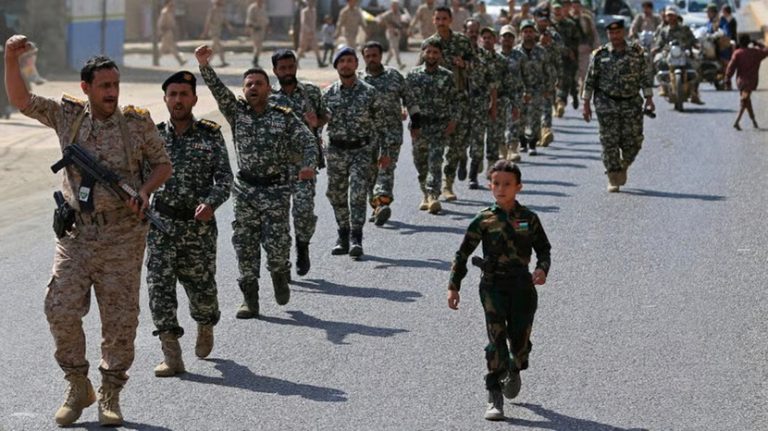
The unexpected military surge by Ansarallah forces along the western coast of Yemen dramatically altered regional power balances and exposed severe vulnerabilities within the Saudi defense strategy. For months coalition leaders confidently promised decisive offensives to reclaim major territories including the capital city. Instead insurgent fighters rapidly advanced and successfully captured the critical port city of Mokha along with Perim Island. This strategic conquest places a vital maritime chokepoint connecting the Red Sea to the Indian Ocean directly under rebel control.
Simultaneously unidentified drones struck a massive Saudi pipeline responsible for transporting millions of crude barrels daily toward western export terminals. Although Riyadh officially blamed Iraqi militias for the sabotage the synchronized nature of these events immediately rattled global energy markets. Consequently international benchmark prices for Brent crude quickly surged toward one hundred and nine dollars per barrel.
Fractured Coalitions and Diplomatic Hesitation
The rapid collapse of opposition forces highlights deep internal divisions among the factions fighting against the Yemeni rebels. The coalition previously relied heavily on highly effective separatist units backed by the United Arab Emirates. However Saudi authorities recently forced those specific troops to withdraw after the separatists essentially threatened to establish an independent southern state. When the recent rebel offensive began many remaining defenders simply abandoned their posts or sold their military equipment.
Facing sudden territorial losses conservative voices in Riyadh are actively seeking direct foreign intervention. Last month Saudi Arabia Turkey and Pakistan announced a historic mutual defense pact known as the Mecca alliance. Despite the grand diplomatic rollout these new security partners have offered nothing beyond verbal solidarity. Similarly the American administration explicitly declined requests from the Saudi crown prince to authorize direct air support. The American president publicly claimed that rebel leadership reached out diplomatically and expressed a desire to avoid further conflict.
The Economic Consequences of Maritime Control
Securing physical territory near the Bab el Mandeb strait provides Iranian allies with immense leverage over international shipping lanes. Regional data tracking firms reported that Saudi petroleum exports moving through this specific maritime corridor dropped from four million barrels per day in June to barely two hundred thousand barrels by August. While state energy companies can easily repair damaged pumping stations the looming threat of continuous sabotage deters commercial vessels from utilizing these routes.
These territorial acquisitions essentially grant opposition forces the ability to indefinitely squeeze the global economy. As insurgent commanders look toward isolating other contested cities and seizing primary energy regions the kingdom faces a profound strategic dilemma. Without significant foreign military assistance reversing these sudden territorial losses appears highly unlikely. Ultimately the inability of wealthy regional powers to secure their own borders signals a fundamental shift in Middle Eastern geopolitical authority.
Original analysis inspired by Staff Writers from The Economist. Additional research and verification conducted through multiple sources.


