
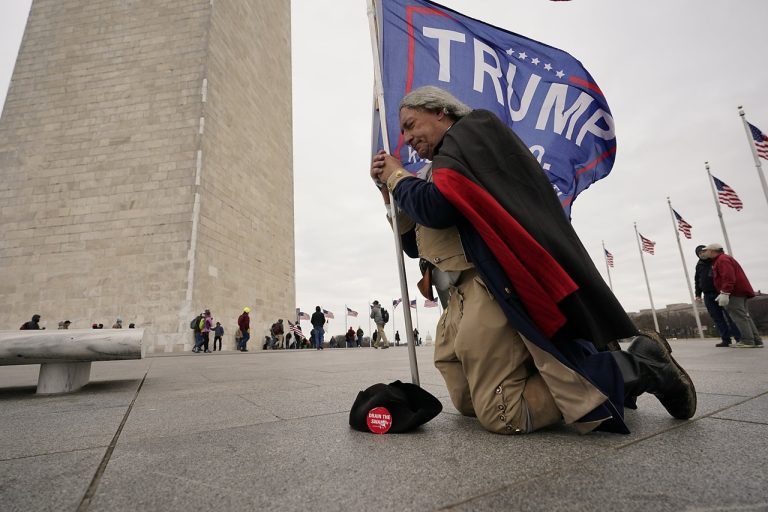
The recent political gathering in Dallas operated less as a traditional party convention and more as a dedicated tribute to the current executive leadership. Attendees and party officials overwhelmingly praised Donald Trump and cast him as the sole architect of national prosperity. This intense focus signals a major strategic shift for conservatives approaching the upcoming congressional races.
Instead of highlighting collective legislative achievements the overarching narrative exclusively positions the president as a singular savior against pending economic collapse. Party leaders expect this personalized messaging to energize a specific subset of citizens who normally skip legislative contests. By prioritizing absolute loyalty over broad policy proposals conservative strategists hope to overcome massive deficits currently recorded in national surveys. The event featured unusual loyalty pledges where attendees promised to support the president through any means necessary.
Recent statistical models indicate severe vulnerabilities for the conservative coalition. Independent generic ballot surveys reveal Democrats holding a notable advantage as the elections approach. Furthermore presidential approval metrics remain historically low across multiple demographic categories. These troubling figures threaten conservative control in both congressional chambers making the decision to double down on a polarizing figure quite risky.
While concentrating entirely on the president might activate his most loyal supporters this approach could simultaneously alienate moderate constituents. The unusual pledge of allegiance witnessed during the Dallas speeches demonstrates a dramatic departure from standard political norms. For casual observers the spectacle heavily reinforces the idea that supporting any conservative candidate essentially equals endorsing the president himself.
If the primary objective involved projecting stability to independent populations the enthusiastic atmosphere in Texas likely failed. As citizens prepare to cast their ballots this absolute fusion of party identity with one individual will ultimately test the viability of personality driven politics in legislative campaigns.
Original analysis inspired by Jamelle Bouie from The New York Times. Additional research and verification conducted through multiple sources.


