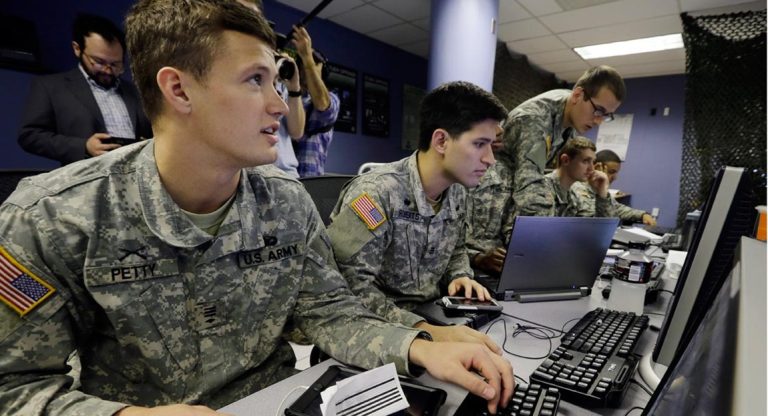
United States defense officials recently celebrated digital network disruptions inside Iran and Venezuela. These isolated victories project a dangerous illusion of absolute digital dominance. While striking poorly defended networks allows ample time for rehearsal preparing for a peer conflict requires entirely different organizational mechanics. The defense apparatus currently treats digital operations as an isolated specialty rather than an integrated combat enabler. This structural isolation severely threatens American preparedness against sophisticated adversaries.
Integration Roadblocks
Field commanders require absolute reliability when executing complex battle plans. A digital payload carries inherent unpredictability regarding its ultimate blast radius and effectiveness. When planners cannot accurately calculate the probability of success they naturally hesitate to incorporate these tools into primary combat strategies. Furthermore the extreme secrecy surrounding high tier digital capabilities prevents regional commanders from viewing their full tactical arsenal. True combat integration demands that commanding officers can deploy digital strikes as seamlessly as traditional artillery.
The Talent Deficit
Beyond immediate tactical hurdles the military suffers from a critical inability to generate specialized forces. Current command structures rely entirely on traditional service branches to recruit and train digital warriors. These legacy institutions culturally prioritize producing fighter pilots and infantry officers while treating keyboard operators as secondary assets. Skilled technicians frequently endure reassignments to standard administrative roles which destroys the continuity of expertise required for high level operations. Analysts strongly recommend establishing a completely independent service branch so the military can actually compete with lucrative private sector salaries.
A theoretical confrontation with Beijing would immediately expose these deep institutional vulnerabilities. Chinese military planners heavily harden their internal networks and possess the capacity to severely disrupt American logistical infrastructure. Sustaining combat operations under these degraded conditions requires rapid adaptation and continuous capability iteration. American forces must also synchronize their digital strategies with key regional partners across the Pacific theater. Establishing unified defense protocols with allied nations before hostilities break out remains an absolute necessity for future deterrence.
Original analysis inspired by Mark Montgomery and Matthew Ferren from National Interest. Additional research and verification conducted through multiple sources.