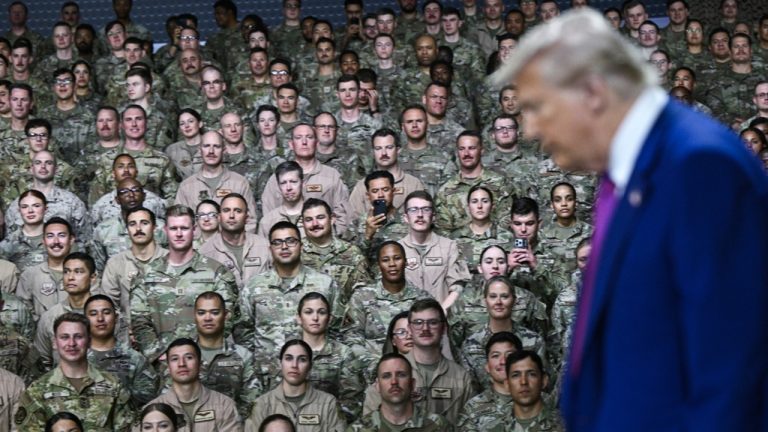
For decades, the massive network of American military installations across the Persian Gulf served as the undisputed foundation of regional security. These sprawling bases, housing tens of thousands of troops, projected overwhelming force to deter potential adversaries and reassure strategic partners. However, the ongoing military confrontation between Washington and Tehran has fundamentally exposed the severe vulnerabilities inherent in this traditional deployment model. Once viewed as untouchable symbols of superpower dominance, these facilities have rapidly transformed into primary targets for retaliatory strikes.
The current conflict has subjected these massive installations to unprecedented kinetic pressure. American and allied air defense networks successfully intercepted the vast majority of incoming projectiles, preventing catastrophic casualties. Nevertheless, Iranian munitions still managed to damage critical infrastructure at key logistical hubs, including early warning radar arrays in Qatar and naval communications centers in Bahrain. These successful strikes effectively shattered the long held illusion that an overwhelming foreign military presence guarantees absolute protection for host nations.
The Cost of Forward Deployment
The geographical proximity of these installations to Iranian territory presents a massive tactical disadvantage. Major operational centers like Al Udeid Air Base and the Fifth Fleet headquarters at Naval Support Activity Bahrain are situated well within the immediate range of advanced ballistic missiles and attack drones. Defense planners are currently weighing the massive strategic risks associated with concentrating so many high value assets in such exposed locations. The Pentagon is reportedly evaluating comprehensive proposals to disperse personnel and equipment to less vulnerable positions further west.
This potential reduction in physical troop presence deeply unsettles regional allies who traditionally equated troop numbers with diplomatic commitment. Middle Eastern governments fear that any significant withdrawal could signal a broader American disengagement from the region. Such an interpretation might force Gulf states to independently seek uncomfortable accommodations with Tehran to secure their own territorial integrity. The shifting strategic landscape compels these nations to rapidly accelerate their efforts toward achieving greater military self sufficiency.
Architecting a New Security Paradigm
Recognizing the limitations of external guarantees, Arab nations are actively attempting to reconstruct their security architecture. Recent diplomatic breakthroughs, such as the Mecca Joint Defense Agreement signed with Pakistan and Turkey, demonstrate a growing desire to build localized defense networks. Gulf states are simultaneously expanding domestic weapons manufacturing and diversifying their international arms suppliers beyond traditional Western partners. While these initiatives mark a significant departure from absolute American reliance, developing truly independent defense capabilities will take decades to fully mature.
A modernized American security commitment will likely require prioritizing strategic flexibility over massive permanent garrisons. Security experts advocate for transitioning toward a distributed access model that relies upon rotational deployments and pre-positioned equipment caches. This agile approach would maintain crucial interoperability and political influence while significantly reducing the physical vulnerabilities associated with massive, concentrated bases. Ultimately, the future of the Gulf security order will depend entirely on building overlapping, resilient networks rather than relying exclusively on a single foreign superpower.
Original analysis inspired by Dario Sabaghi from The New Arab. Additional research and verification conducted through multiple sources.