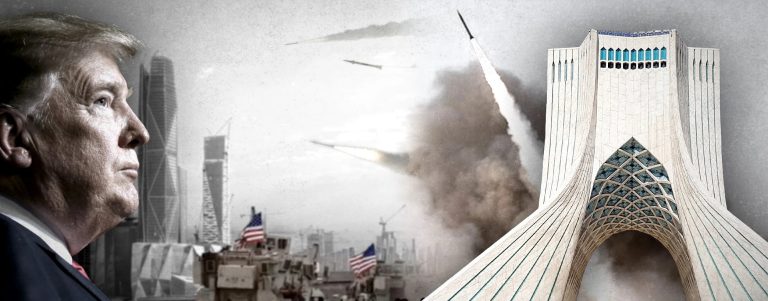
The era of the sprawling, seemingly untouchable American super-base in the Persian Gulf is facing a reckoning. For decades, these installations served as unambiguous symbols of U.S. power and commitment to regional security. But the recent conflict with Iran has starkly illustrated their transformation from assets into liabilities, forcing a fundamental reassessment within the Pentagon about the future of America’s military footprint in one of the world’s most critical regions.
The core of the problem is the growing sophistication of Iran’s asymmetric warfare capabilities. The conflict demonstrated that even heavily fortified facilities, such as the U.S. Navy’s Fifth Fleet headquarters in Bahrain, are vulnerable to precision-guided missiles and drone swarms. These bases, once considered secure platforms for power projection, have become fixed, high-value targets. Their size and permanence, once a deterrent, now make them predictable points of failure in a potential confrontation, forcing a difficult conversation about risk and reward.
The Pivot to Dispersion
In response, military planners are actively re-evaluating the long-standing doctrine of concentrating forces in a few large hubs. The emerging consensus favors a shift toward a more distributed and resilient posture. This concept, often referred to as Agile Combat Employment (ACE), involves spreading personnel and assets across a wider network of smaller, more dispersed locations. The logic is simple: by presenting a more complex and less predictable target set, the U.S. can complicate an adversary’s attack calculus and ensure operational continuity even if some locations are hit.
This doctrinal shift is not just theoretical. It involves practical considerations, from hardening existing structures and investing in advanced missile defense systems to potentially relocating certain command-and-control functions to less vulnerable areas. While no withdrawal from the Gulf is on the table, the very nature of the American military presence is being rewritten. The focus is moving from how to use these bases to project power to how to preserve them in a contested environment, a subtle but profound change in strategic priority.
A New Dilemma for Gulf Allies
This strategic adjustment creates a new and uncomfortable dilemma for America’s Gulf partners. The U.S. security umbrella has long been the bedrock of their defense policies, but the recent conflict showed that hosting American bases can also act as a magnet for conflict, drawing them directly into the line of fire. The installations meant to deter aggression inadvertently made them part of the battlefield.
As Washington prioritizes force protection, Gulf capitals are left to weigh the benefits of the American security guarantee against the heightened risk of entanglement. This changing dynamic is forcing them to explore alternative regional security arrangements and diversify their foreign policy alignments. The American presence is not disappearing, but the terms of the partnership are being renegotiated by the hard realities of modern warfare. The security guarantee no longer feels as absolute as it once did.
The implications of this strategic rethink extend far beyond the Middle East. The challenges posed by Iran’s anti-access/area-denial (A2/AD) capabilities mirror the threats the U.S. faces from China in the Indo-Pacific, where American forces are similarly concentrated in large, vulnerable bases in Japan and South Korea. The lessons learned in the Gulf will inevitably inform a broader, global reassessment of how the United States structures its military presence abroad. What is unfolding is not a retreat, but a necessary and costly evolution in the face of a new era of great power competition.
Original analysis inspired by Abbas al-Zein from The Cradle. Additional research and verification conducted through multiple sources.