Anti-war crowds have filled streets in Washington as U.S. forces maintain pressure on Iranian targets and economic blockades squeeze Tehran. The conflict, now stretching into its third month, has driven oil prices above $120 a barrel while yielding few clear gains. Negotiators trading proposals through back channels find themselves stuck on core disputes ranging from uranium stockpiles to regional proxies. This latest chapter reveals a deeper flaw in how Washington has approached the Islamic Republic for decades.
The Iranian leadership views the current fight as existential. Targeted strikes on nuclear sites, disrupted supply lines, and calls for internal revolt have only hardened its determination to endure. American leaders, by contrast, treat the confrontation as one of several foreign policy challenges. This imbalance hands Tehran the advantage in what amounts to a classic game of chicken. Recent intelligence findings show that U.S. and Israeli strikes have delayed Iran’s nuclear timeline but left significant capabilities intact, including mobile missile systems and underground infrastructure.
The Dilemma of Competing Objectives
For nearly half a century, American strategy has oscillated between two incompatible aims. Officials demand concrete limits on Iran’s nuclear program and its backing of armed groups from Lebanon to Yemen. Yet influential voices simultaneously insist the clerical system itself is illegitimate and should not be allowed to survive.
These goals clash because genuine negotiations require treating Iranian officials as valid counterparts rather than marked men. Any relaxation of pressure or diplomatic engagement risks signaling acceptance of a government many in Washington believe should disappear.
Historical Patterns of Engagement and Resistance
History demonstrates the pattern. Ronald Reagan publicly denounced Iranian mullahs while his administration secretly traded arms to secure hostage releases. During the Cold war, critics slammed Henry Kissinger’s arms control talks with Moscow for propping up an evil empire, even though practical national interests left no alternative to dialogue.
Barack Obama made the clearest break by focusing on the most immediate danger. His nuclear agreement sharply cut enrichment capacity, reduced stockpiles, and established intrusive monitoring. It delivered measurable results on nonproliferation. Yet domestic opponents attacked it for conferring legitimacy on Tehran. The decision to withdraw from that pact accelerated Iran’s advances and empowered hard-liners, returning Washington to the same impasse.
Modern Stalemate and Regional Fallout
Today’s stalemate carries fresh complications. Israeli Prime Minister Benjamin Netanyahu has insisted that only the complete removal of enriched material and facilities will suffice. Trump’s statements veer between promises of economic revival for ordinary Iranians and warnings of civilizational destruction if demands go unmet.
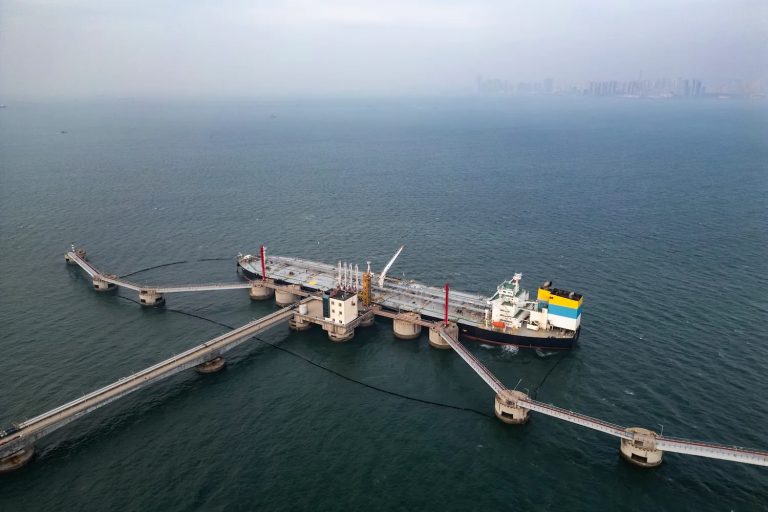
The deaths of senior figures appear to have consolidated power among Revolutionary Guard elements rather than triggering collapse. Disruptions in the Strait of Hormuz have sent shockwaves through global energy markets, while the financial burden on Washington already runs into the billions. Domestic opposition grows as the conflict risks sliding toward the kind of open-ended commitment previous administrations vowed to avoid.
Choosing Strategic Priorities
Some analysts argue the only practical path forward requires choosing priorities. Verifiable restraints on weapons activities and proxy networks may demand uncomfortable acceptance that the current power structure in Tehran will persist, at least for now. Without that clarity, American policy will keep lurching between confrontation and tentative diplomacy, each cycle leaving the region more volatile and Iran’s capabilities harder to constrain.
The alternative is another protracted entanglement with uncertain payoffs and rising costs. As proposals continue to circulate without resolution, the central question remains whether Washington can finally reconcile its competing impulses before the price climbs beyond what the public will bear.
Original analysis inspired by Fareed Zakaria from Foreign Policy. Additional research and verification conducted through multiple sources.