The brief halt in direct fighting between the United States and Iran, which began as a two-week pause on April 8, has brought a fragile calm to waters and skies long marked by tension. Leaders on both sides portray the pause as a win, yet it reflects a shared calculation that further escalation would extract unbearable costs. With diplomats recently concluding high-stakes sessions in Pakistan, the focus now turns to whether this stopgap can survive its rapidly approaching expiration on April 22 amid persistent regional frictions.
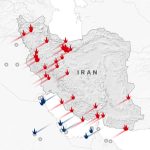
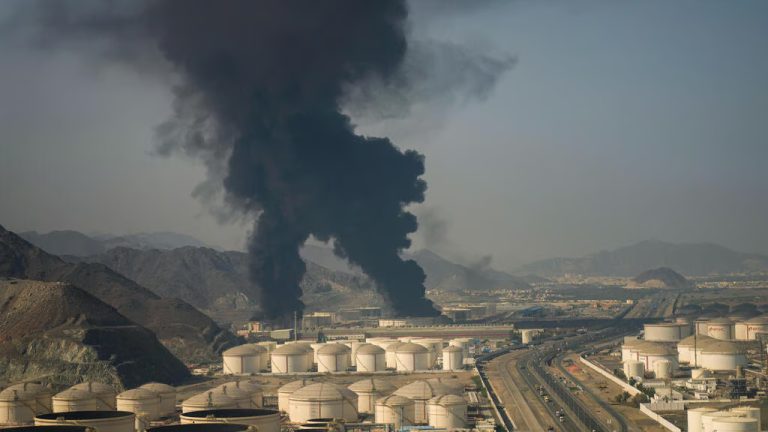
The recent clashes followed American and Israeli strikes that began on February 28, aimed at curbing Iranian military reach and nuclear advances. These operations famously targeted high-level leadership and infrastructure, marking a dramatic escalation in the long-standing shadow war. Initial expectations in Washington for a swift outcome proved overly optimistic as Tehran mounted fierce responses that targeted shipping routes and energy facilities across the Gulf. Each round of strikes and counterstrikes drove up expenses in lives, equipment, and economic disruption, trapping both parties in a cycle where gains grew harder to achieve.
This pattern echoes historical standoffs where neither side could deliver a knockout blow without inviting devastating retaliation. American air power demonstrated clear superiority, yet Iranian capabilities to disrupt oil flows and deploy a vast arsenal of drones and missiles created enough risk to encourage restraint. The result was an informal balance that made total war unappealing, pushing both toward the current pause.
Balancing core disputes
Negotiators just finished a grueling 21-hour session in Islamabad, where the agenda was crowded with demands for fresh limits on Iran’s nuclear program, the easing of select American sanctions, and guarantees for safe passage through vital waterways. Despite the face-to-face engagement, the talks ended without a formal agreement, as Vice President JD Vance noted a lack of “affirmative commitment” regarding nuclear weapons, while Iranian negotiators insisted on the release of frozen assets and sovereign control over maritime routes.
The Strait of Hormuz remains the most volatile friction point. While the ceasefire was intended to reopen the waterway, traffic has remained minimal. Iran has maintained a “Tehran Toll” system and a continued security stranglehold that has kept insurance premiums at record highs. In response, U.S. Navy destroyers have begun mine-clearing operations to “encourage the free flow of commerce,” a move Tehran has labeled a ceasefire violation.
Regional spillover and the Lebanon front
Israel’s security needs add another layer of complexity that has already strained the truce. Israeli forces have significantly intensified operations against Hezbollah targets in Lebanon throughout early 2026, including ground incursions that began in mid-March. While Washington has characterized these strikes as a “separate skirmish,” Tehran considers a Lebanon ceasefire a prerequisite for any broader regional deal. The disconnect was highlighted in recent days when the largest Israeli airstrikes of the war hit Lebanon just hours after the initial ceasefire was announced.
Past attempts at bridging these divides offer lessons on the value of incremental steps over grand bargains. Iran’s uranium enrichment has advanced to a point where experts say it is a short technical step from being weapons-grade, raising the stakes for any verification hurdles. At the same time, the Iranian leadership has absorbed heavy losses in personnel and infrastructure, leaving the system battered yet capable of projecting significant asymmetric power.
The failure of the Islamabad talks to produce a signed deal has led to renewed threats of a “full naval blockade” from Washington, while Pakistan continues to urge both sides to uphold the remaining days of the pause. For now, the ceasefire technically holds, but the lack of a diplomatic breakthrough means the “war premium” on energy markets remains firmly in place.
In the end, this episode may achieve a narrower aim of blunting immediate threats without delivering a transformed regional order. Covert competition and proxy frictions will probably continue in the background regardless of the official clock. For now, the pause counts as a modest success in a neighborhood where restraint has often proven the exception rather than the rule, even as the world watches the April 22 deadline with growing anxiety.
Original analysis inspired by Gideon Rose from Foreign Affairs. Additional research and verification conducted through multiple sources.