
Turkey in Somalia: Partner, Protector or Something Else?
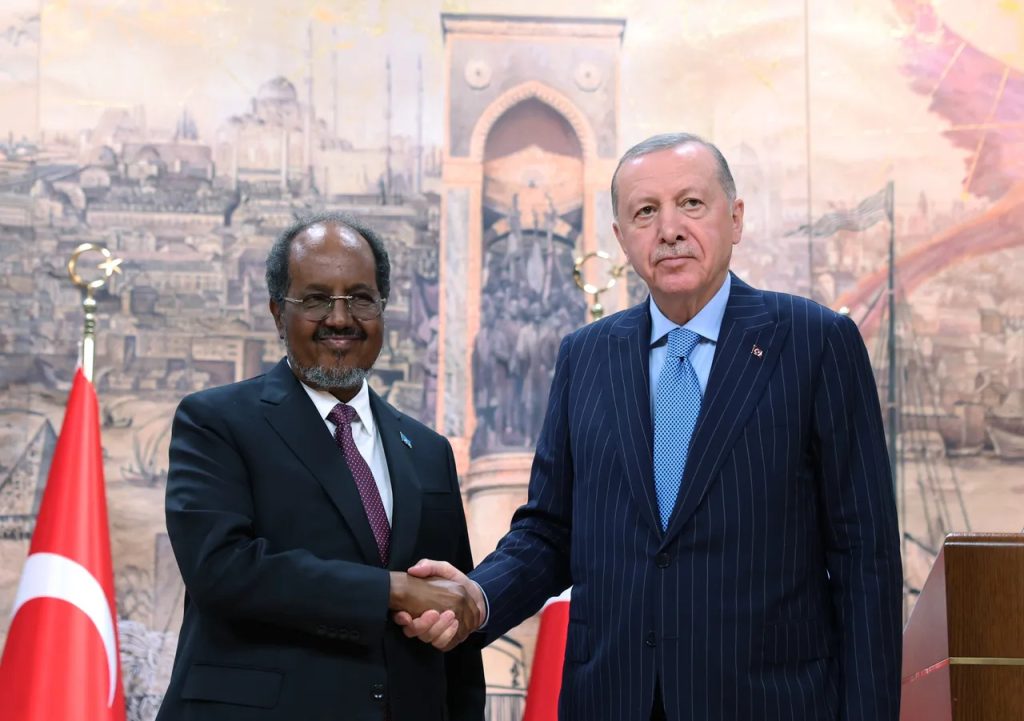
What began as a 2011 famine relief mission has evolved into Turkey’s most ambitious geopolitical project. With its largest overseas military base, a newly deployed F-16 wing, and the “SOMTURK” joint venture controlling maritime resources, Ankara has become Somalia’s indispensable security guarantor. However, as the UAE, China, and Israel (via its recognition of Somaliland) jostle for influence, questions of Somali sovereignty and the lopsided terms of hydrocarbon deals are beginning to spark domestic and regional friction.
The Ceasefire Is Signed, the Economic War Has Just Begun
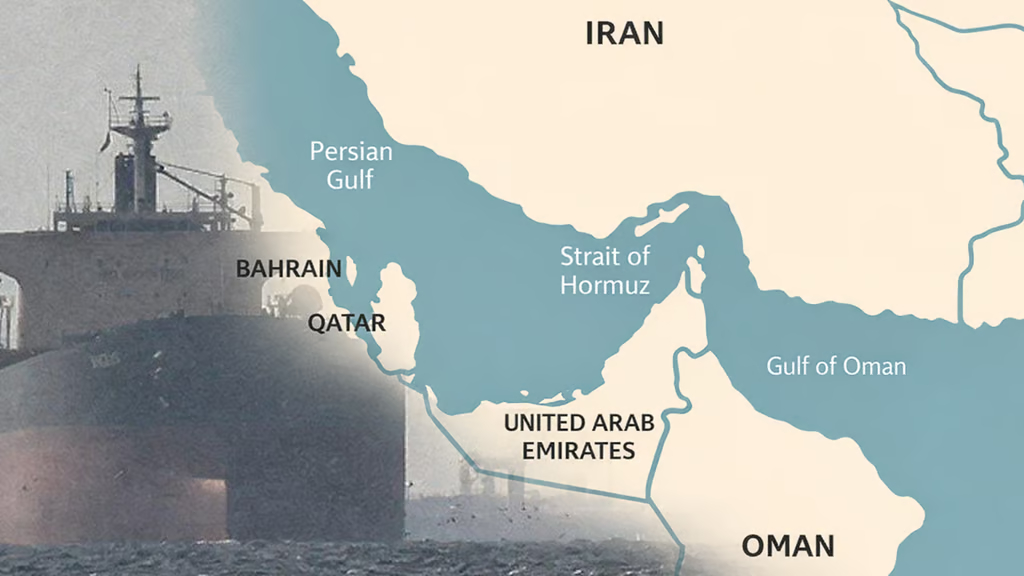
The 2026 Iran War has triggered the largest energy supply disruption in history, dwarfing the shocks of 1973 and 1979. While the kinetic exchange has paused, the Strait of Hormuz remains commercially unusable due to a “Tehran Toll” system and a collapse in maritime insurance. With damage to Qatar’s LNG facilities projected to take years to repair, the global economy faces a structural “war premium” that threatens to push major economies into recession and force central banks to keep interest rates elevated through 2026.
Spain, China, and the Europe That Washington Can No Longer Take for Granted
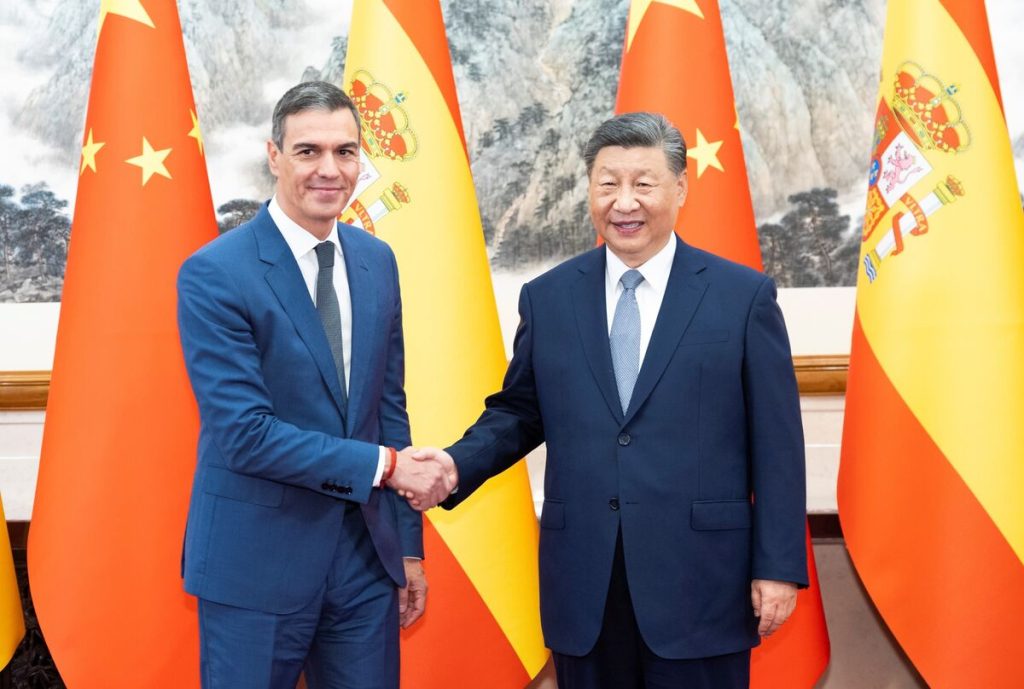
The deepening rift between Washington and Madrid has pushed Spain toward a landmark strategic alignment with China. Faced with U.S. threats of a total trade cutoff over the use of military bases, Prime Minister Sánchez has accelerated cooperation with Beijing in green energy and EV manufacturing. This shift represents a broader European trend: redefining “Western” loyalty in an era where strategic autonomy and energy security outweigh unilateral demands from the Oval Office.
Pakistan Brokered the Iran Ceasefire and the Islamabad Talks Just Collapsed
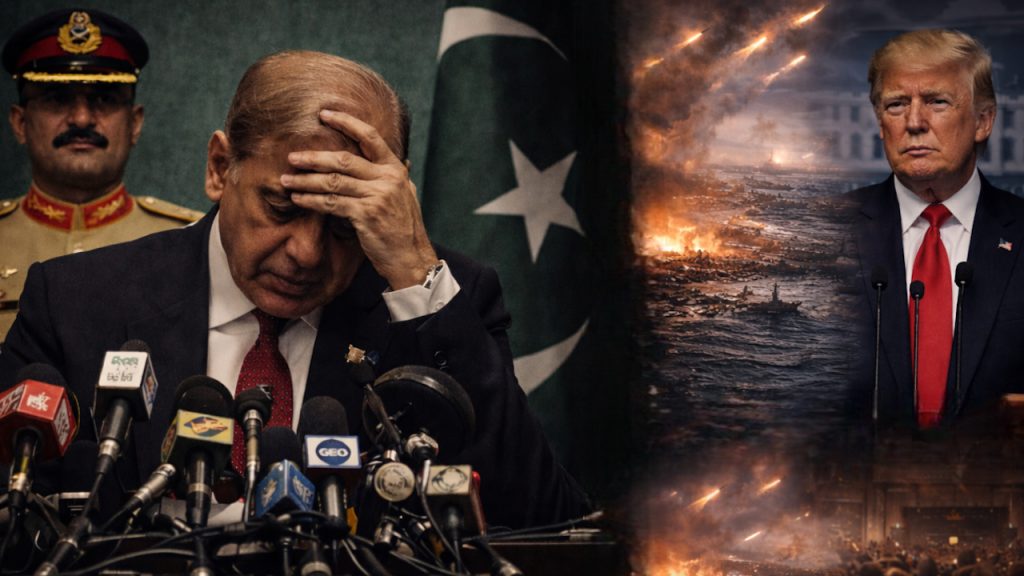
The high-stakes Islamabad talks have ended without a breakthrough, leaving the fragile US-Iran ceasefire in structural limbo. Led by Vice President JD Vance and Iranian Speaker Ghalibaf, the 21-hour session marked the first direct diplomatic engagement between the two nations in over a decade. While Pakistan successfully facilitated a “Hormuz Passage” trial for supertankers, the insurmountable divide over nuclear commitments and sanctions relief highlights the immense challenge of turning a temporary pause into a lasting settlement.
Iran Ceasefire Holds as US and Tehran Eye Tough Talks
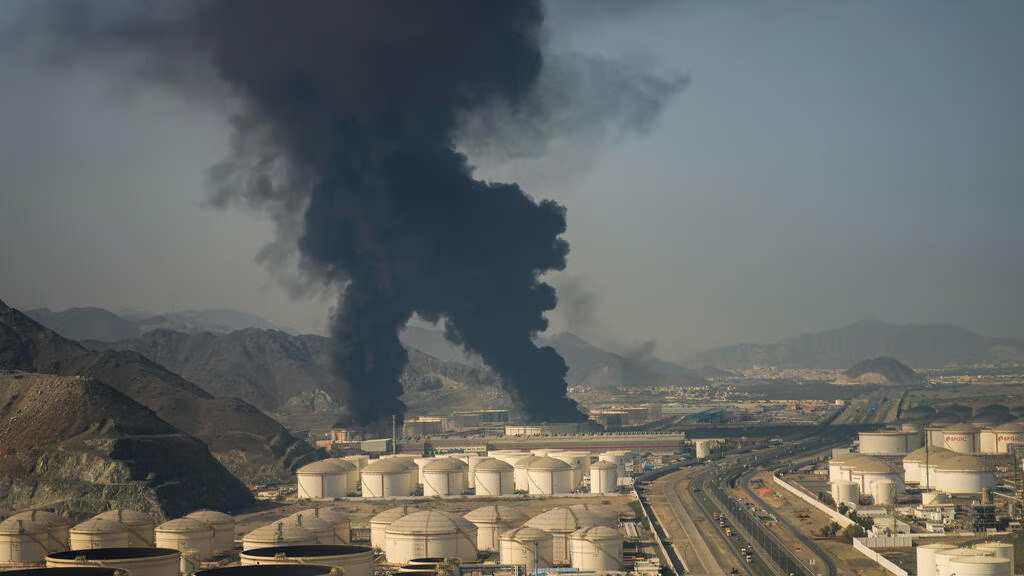
As the April 22 expiration date looms, the fragile US-Iran ceasefire faces its toughest test. Despite high-stakes negotiations in Islamabad, no “affirmative commitment” has been reached on nuclear limits or sanctions relief. With the Strait of Hormuz still effectively restricted and Israel’s intensifying ground campaign in Lebanon, the region remains trapped in a volatile limbo between a stopgap truce and the threat of a full naval blockade.
Hungary Election Tests Orban’s Hold and European Unity
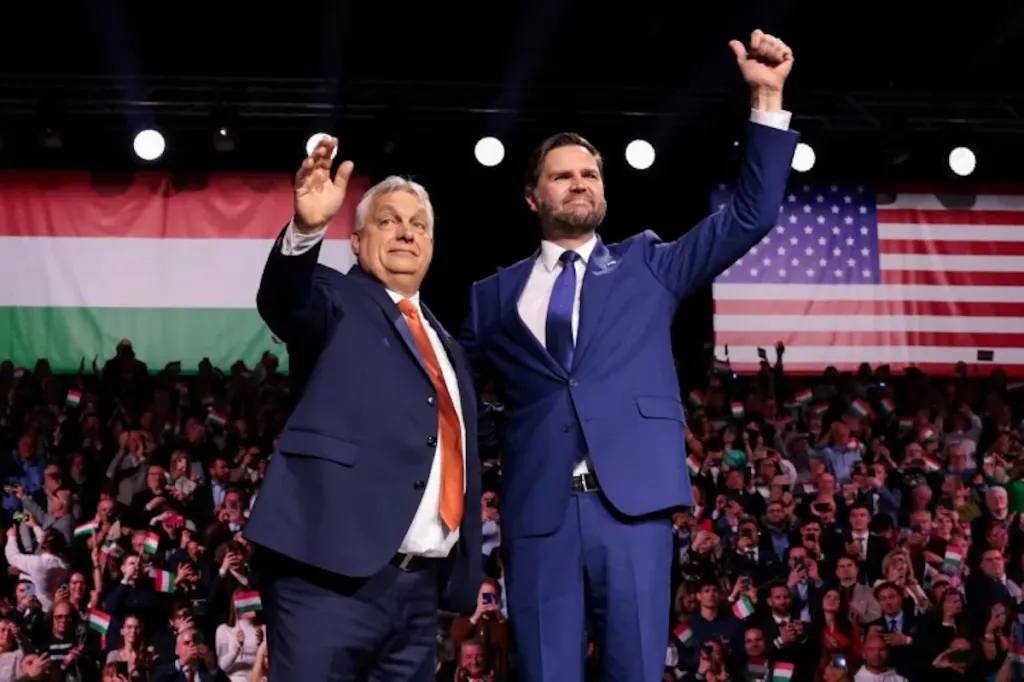
The Hungarian election has become a critical litmus test for European cohesion and the future of regional security. Prime Minister Viktor Orban, backed by a unique alignment of JD Vance and Vladimir Putin, faces his toughest challenge yet from Peter Magyar. The result will determine whether Budapest continues to leverage its veto power over Ukraine’s €90 billion loan or pivots toward a more cooperative, transparent role within the European Union.