
West Bank Settlements Expand Beyond Settler Violence
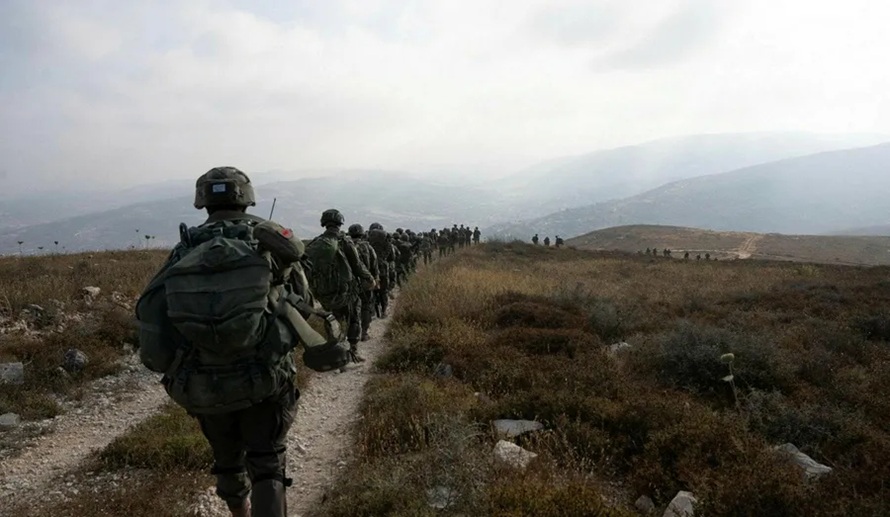
While international attention often focuses on violent settler attacks in the West Bank, the deeper expansion of settlements is driven by an institutional system of land restrictions, military deployments, and infrastructure. The formal restoration of evacuated sites like Sa Nur highlights how state-backed projects fragment territory and restrict Palestinian movement—proving that territorial control and violence operate hand in hand.
US South Korea Alliance Faces a New Strategic Test
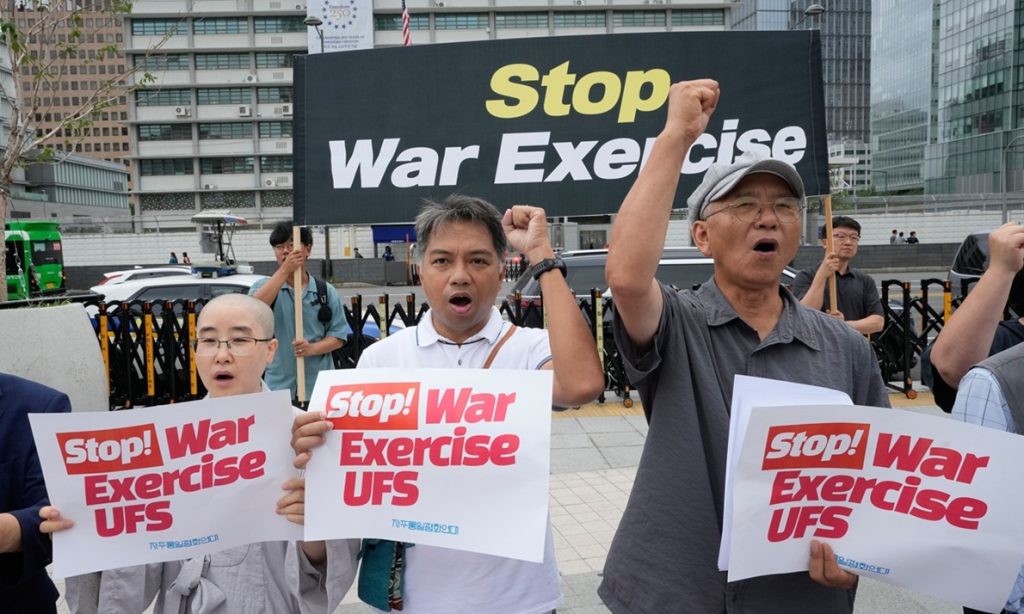
The annual Ulchi Freedom Shield exercise has highlighted deep strategic tensions within the US-South Korea alliance. While Seoul seeks greater defense autonomy, deterrence against Pyongyang, and political space for dialogue, Washington increasingly views the partnership through a broader Indo-Pacific lens. President Trump’s order to cut joint exercises further complicates matters, exposing a growing debate over military readiness, costs, and the ultimate purpose of the alliance.
Trump Cuts South Korea Drills to Reopen Kim Diplomacy
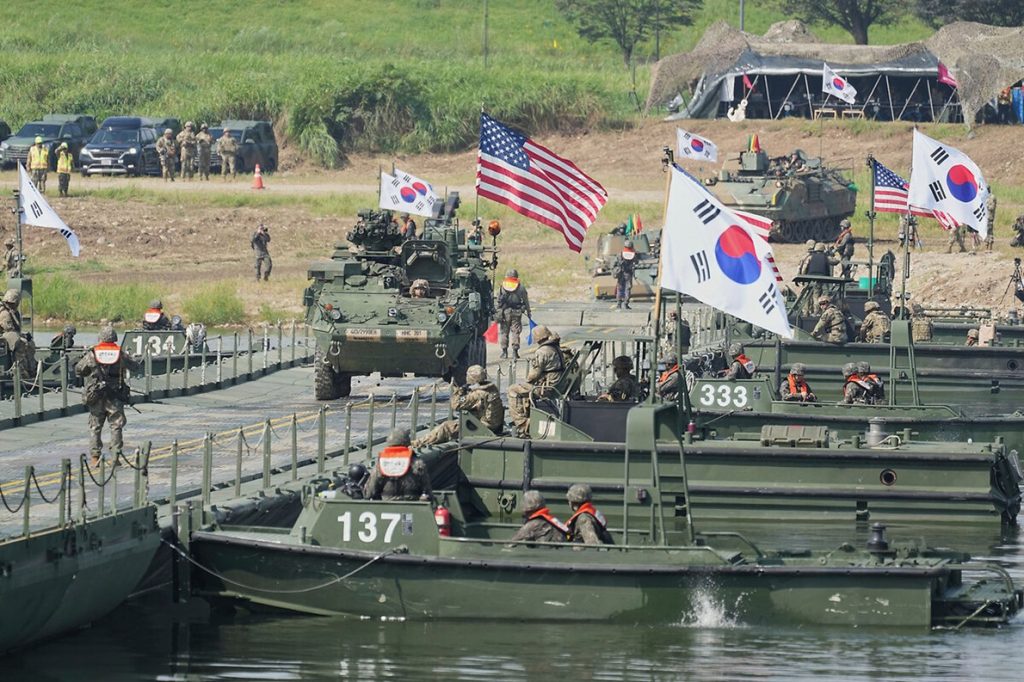
President Trump has ordered a substantial reduction in US participation in military exercises with South Korea, using the cuts as diplomatic leverage to reopen negotiations with North Korean leader Kim Jong Un. While the move aims to spark renewed talks, it bypassed a coordinated alliance process and left Seoul navigating a transactional shift in Washington’s defense commitments.
Trump Boat Strikes Raise Questions Over Ecuador Operations

A series of unexplained attacks on Ecuadorian fishing vessels has exposed deep accountability gaps within the US military’s counter-narcotics campaign. With human rights investigations pointing toward possible American involvement in unreported incidents, the situation highlights growing concerns over transparency, oversight, and the use of wartime powers against criminal networks.
Arab Opposition Tests Israel Normalisation Strategy
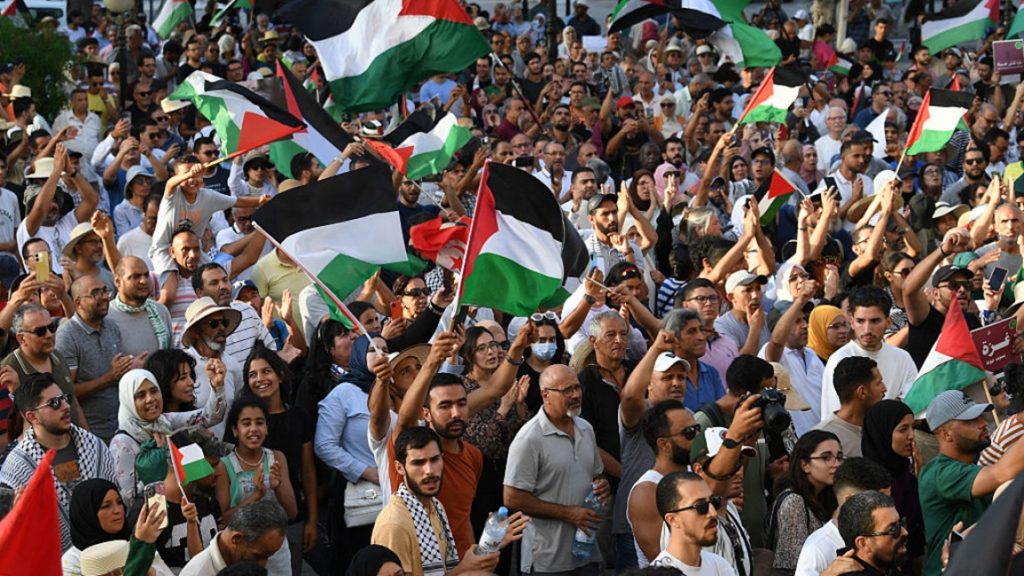
A new manifesto signed by over 300 Arab intellectuals, artists, and academics rejects normalization with Israel, exposing a deep divide between official state diplomacy and widespread public sentiment. While Arab governments continue pursuing strategic security and economic ties, recent polling shows overwhelming public opposition across the region. This widening gap between governments and citizens presents a major hurdle for long-term regional integration.