
What Xi and Kim Really Want From Each Other
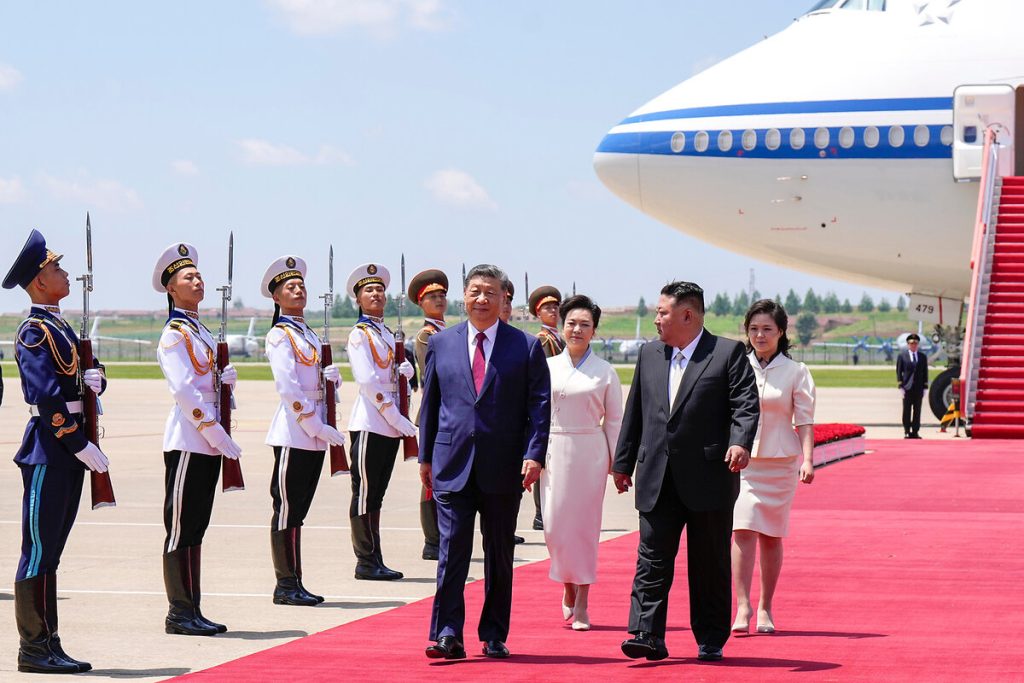
This analysis explores the strategic motivations behind Xi Jinping’s recent state visit to North Korea, examining the complex triangular relationship between Beijing, Pyongyang, and Moscow. As North Korea deepens its military ties with Russia, we discuss how China is navigating the erosion of its traditional diplomatic framework, the pursuit of regional stability, and the ongoing challenge of maintaining economic and political influence over a regime now emboldened by its own nuclear status.
Trump Is Deleting the Data America Needs to Survive
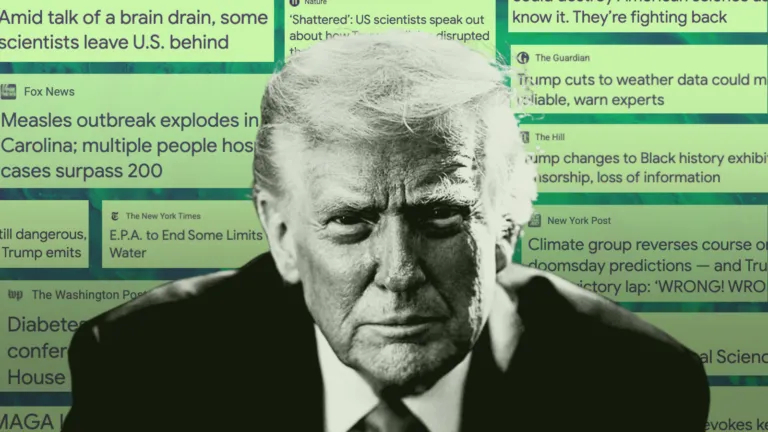
This post investigates the ongoing trend of federal dataset removal under the current administration, exploring the potential long-term consequences for scientific research, economic planning, and public health. By analyzing the patterns of data suppression and the dismantling of institutional monitoring infrastructure, we discuss how the erosion of baseline data challenges the capacity for effective, evidence-based governance in the United States.
The Scheldt Blockade and What It Tells Us About Hormuz

This article draws a precise historical parallel between the 16th-century Dutch blockade of the Scheldt and the ongoing crisis in the Strait of Hormuz. By analyzing the strategic implications of Iran’s new transit toll system, we explore how tactical military achievements may mask a broader, long-term shift in regional power. We examine why the normalization of this “toll booth” architecture challenges the credibility of international security guarantees and fundamentally alters global energy logistics.
The Dollar Won’t Crash — But History Says It Will Fade

Drawing on the historical template of the British pound, this article examines why the dollar’s decline will likely be a prolonged, punctuated process rather than a sudden collapse. By analyzing shifting trade dynamics, reserve currency patterns, and recent market behavior during geopolitical stress, we explore how structural economic forces are gradually eroding the dollar’s global hegemony, even as it remains deeply embedded in current financial systems.
Europe Is Pursuing Strategic Autonomy — But Not Without America Yet
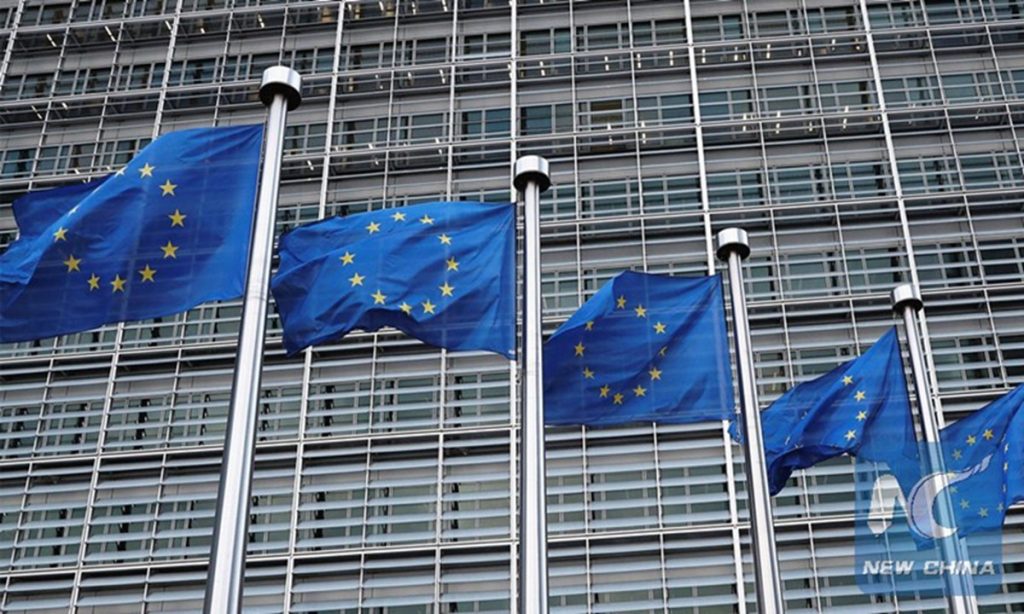
This analysis examines the strategic consequences of Operation Epic Fury, drawing a parallel between Iran’s current control of the Strait of Hormuz and the 16th-century Dutch blockade of the Scheldt. By exploring the limitations of tactical military success against structural economic shifts, this piece assesses the long-term impact on global energy security and the credibility of American regional guarantees. It highlights how the normalization of this new architecture challenges traditional sanctions frameworks and alters international diplomatic leverage.