
Where Did Venezuela’s Oil Money Go? Washington Won’t Say
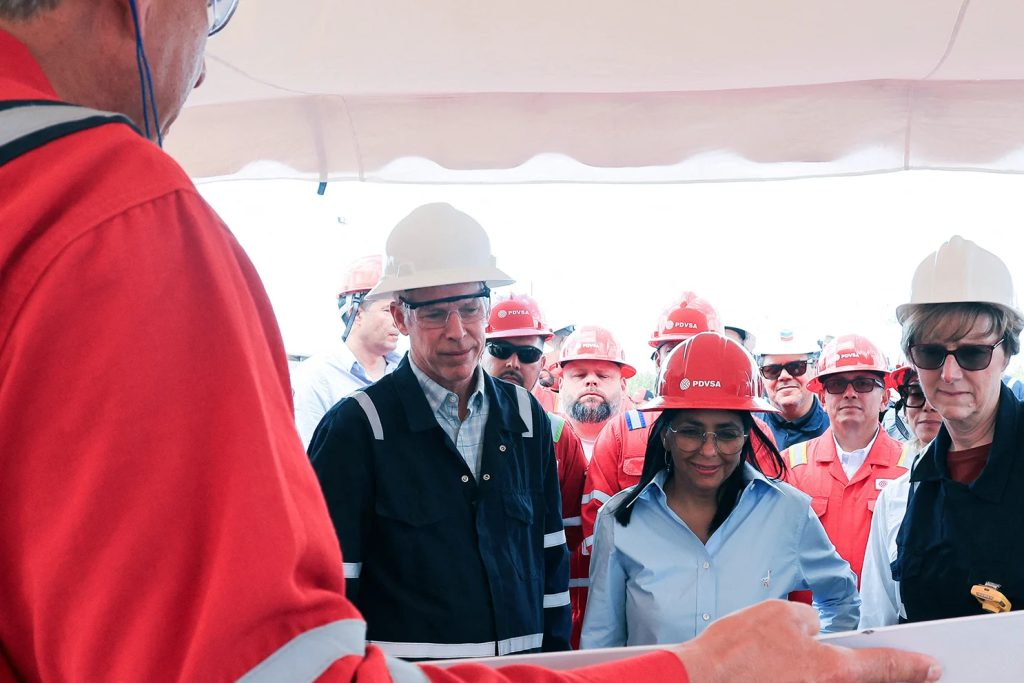
This analysis investigates the opaque financial architecture managing Venezuela’s oil exports following the US intervention in early 2026. Despite billions in revenue and renewed trade partnerships, key questions remain regarding fund transparency and the lack of progress toward democratic reforms. The post explores how the current arrangement maintains the previous governing apparatus, highlights the role of international commodity traders, and underscores the growing congressional demand for an audit to ensure accountability in the administration’s handling of Venezuelan resources.
Trump’s Iran Ceasefire Is Bleeding American Credibility Dry

This analysis critiques the Trump administration’s current Iran policy, characterizing it as a “strategic trap.” Caught between the economic pressures of an oil blockade and the political necessity of a ceasefire, the US finds its leverage diminishing. The post examines how Tehran is successfully using the electoral calendar to neutralize American military dominance, while arguing that a return to full-scale escalation—as urged by some hawkish institutions—would likely trigger global economic instability and fail to achieve verifiable diplomatic concessions.
The US-Iran War Has No Winners, Only Varying Degrees of Defeat

This article critiques the failure of Operation Epic Fury, arguing that four months of military engagement have produced no strategic resolution. From distorted nuclear timelines and unattainable regime-change goals to the hardening of Iranian hardliners and Israel’s diminished regional standing, the conflict has only institutionalized instability. The post examines how the proposed memorandum of understanding serves as a fragile pause rather than a path toward regional security, ultimately highlighting the high costs and lack of meaningful gains for all involved stakeholders.
The Iran War Is Handing Turkey a Regional Opportunity It Did Not Ask For
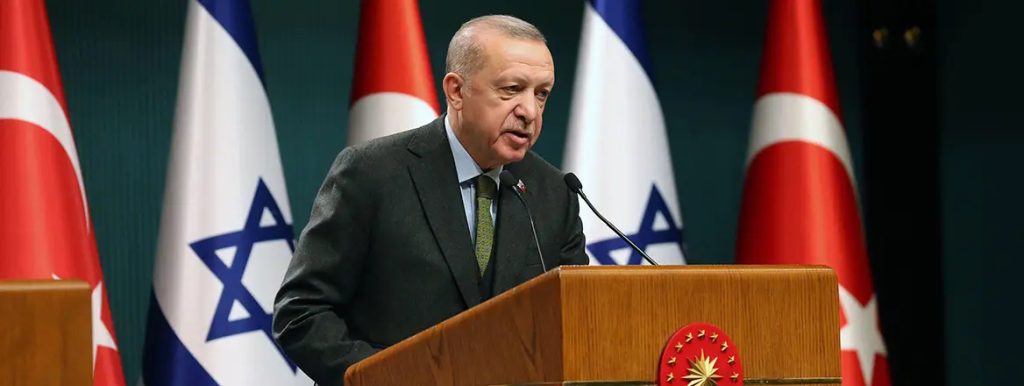
The aftermath of the US-Iran conflict has unexpectedly positioned Turkey as a central player in regional security and trade. By leveraging its growing defense industry and anchoring vital alternative trade corridors like the Iraq Development Road, Ankara is capitalizing on Gulf states’ desires for strategic autonomy. This post analyzes how Turkey’s diplomatic maneuvering and new regional alignments, including the emerging Turkey-Pakistan-Saudi-Egypt quartet, are reshaping the Middle Eastern economic and geopolitical landscape.
Americans Are Leaving and It Is Not Just About Trump

This article examines the surge in American emigration, moving beyond political narratives to analyze the structural factors driving citizens abroad. From the remote work revolution and cost-of-living arbitrage to record-level citizenship renunciations, Americans are increasingly concluding that the country’s core challenges—housing, debt, and cultural fragmentation—are no longer solvable through the traditional electoral process.