
The West Keeps Predicting Russia’s Collapse and Keeps Getting It Wrong
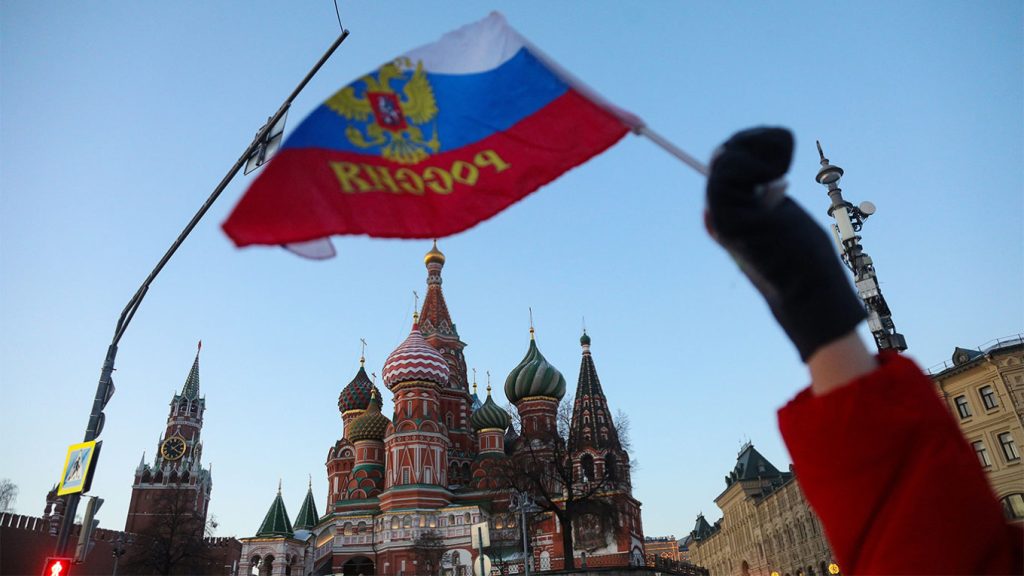
This analysis examines the persistent failure of Western analytical frameworks to accurately predict Russia’s stability. By examining the impact of the “knowledge iron curtain” that has severed direct research ties, the structural biases within exiled opposition discourse, and the ideological blind spots regarding authoritarian functionality, we argue that the “collapse narrative” is actively distorting Western policy. This report challenges the assumption that Russia’s ongoing economic and military stresses must inevitably lead to systemic breakdown, urging a shift toward empirical observation and a more nuanced understanding of how Moscow continues to adapt under pressure.
The Dollar Is Dying and The World Is Renegotiating Its Price

This analysis explores the structural and psychological erosion of the U.S. dollar’s role as the foundation of global finance. With U.S. federal debt exceeding critical thresholds and interest payments increasingly consuming the federal budget, the traditional framing of a “strong dollar” is facing unprecedented political scrutiny. We examine the tensions within Washington as policymakers weigh the benefits of currency depreciation to boost domestic manufacturing against the risk of alienating foreign creditors. This report details the global response—from diversified central bank reserves to the rise of non-dollar trade—and assesses whether the dollar can maintain its status as the world’s risk-free asset in a new era of managed currency competition.
The Case for a Third Economic Pole Without the US or China
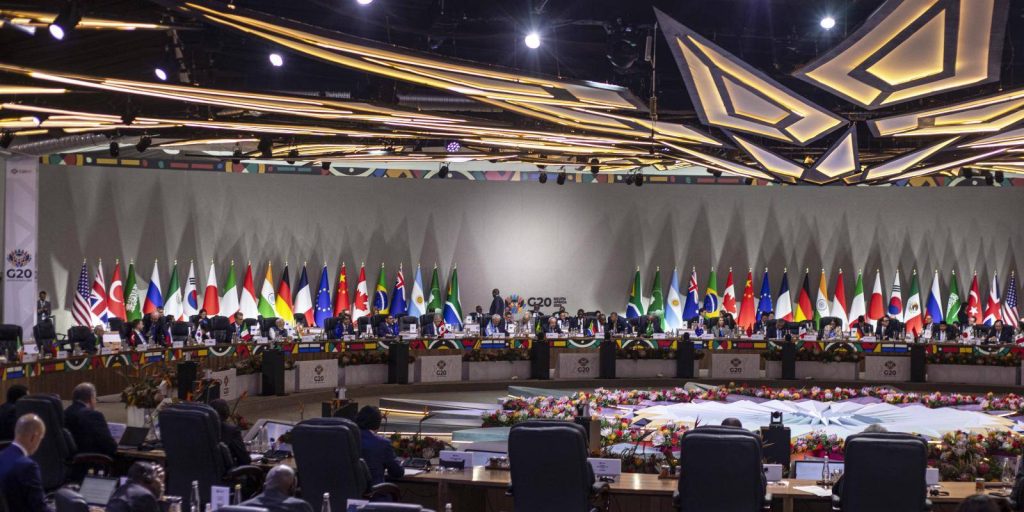
This analysis examines the recent Chatham House report, Saving global economic governance from the ‘Trump shock’, which advocates for the creation of a “third economic pole” in the global financial system. As the U.S. and China increasingly weaponize economic policy and dismantle multilateral institutions, the report argues that market-oriented middle powers must move beyond ad-hoc “variable geometry” coalitions. By establishing a standing alliance between the European Union and the 12 CPTPP member states, these nations could create a stable, rules-based trade bloc large enough to maintain economic openness and resilience independently of the two competing hegemons.
Lebanon Has No Seat at the Table — Only a Place on the Menu
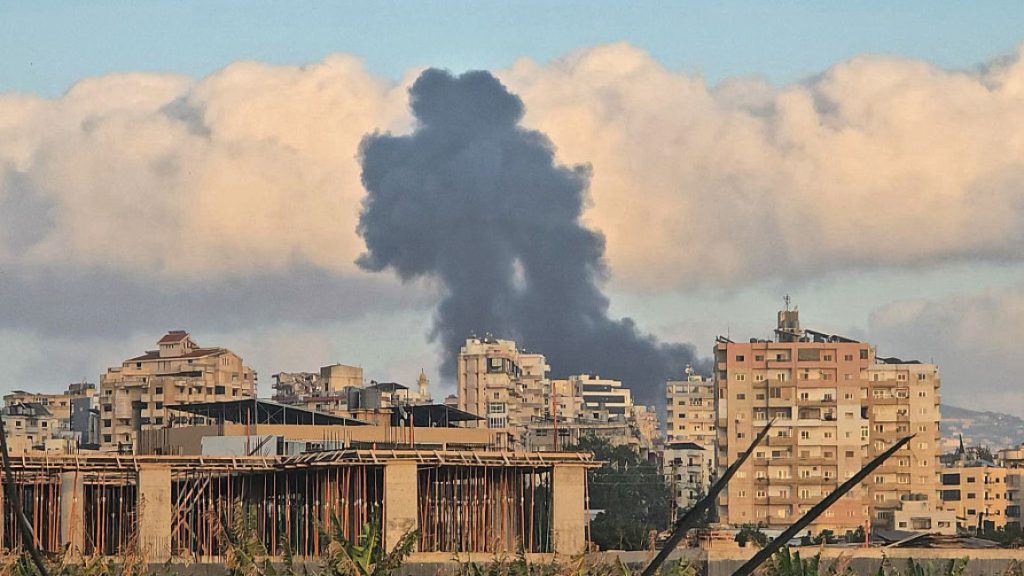
This analysis explores Lebanon’s precarious position as the regional conflict between Washington, Tehran, and Jerusalem escalates. Despite the pretense of formal diplomatic talks, Lebanon continues to be treated as a theater of war rather than a sovereign participant in the ongoing negotiations. By examining the structural weaknesses of the Lebanese state, the tactical decoupling of the Lebanon track from broader nuclear talks, and the potential for a cynical diplomatic settlement that sacrifices Lebanese stability for US-Iran concessions, we assess the worsening humanitarian and security crisis facing the country as of June 2026.
India’s Strategic Autonomy Doesn’t Need Washington’s Approval
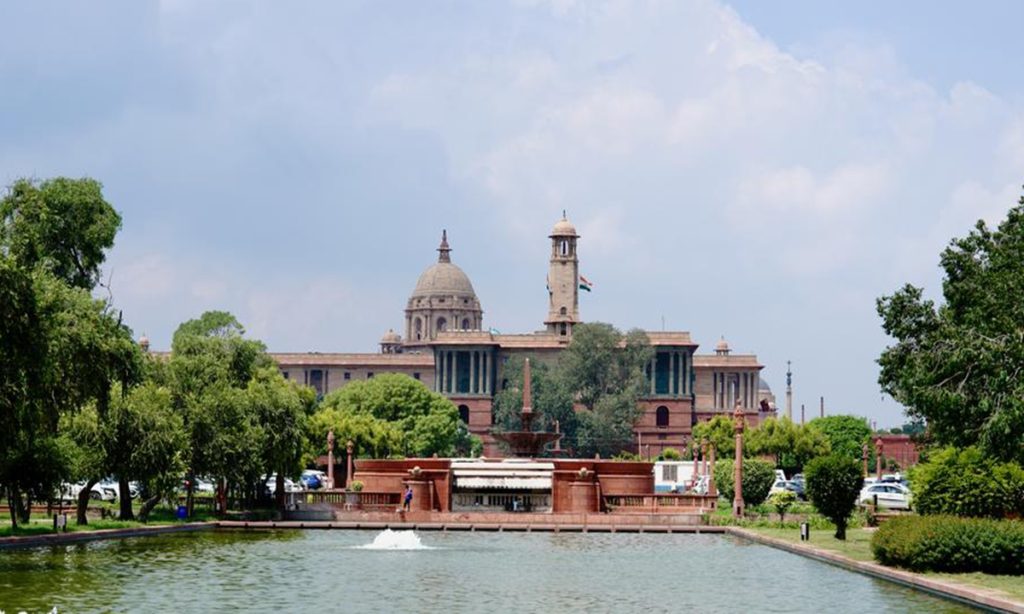
This analysis explores the evolving landscape of Indian foreign policy amidst shifting global alliances. We examine the limitations of Washington’s partnership rhetoric, India’s persistent reliance on “strategic autonomy” as its core organizing principle, and the potential strategic benefits of stabilizing relations with China. By moving beyond traditional bloc-based alignments, we argue that India is prioritizing national interests and long-term diplomatic leverage over reflexive adherence to U.S.-led geopolitical frameworks.